

Principles and Working Scene Characteristics of Pneumatic Conveying for White Bean Flakes Material
HeadPowder, a leading engineering company based in Shandong, China, specializes in advanced material handling solutions. This article explores the principles and working scene characteristics of pneumatic conveying for white bean flakes material, highlighting the technical aspects and practical applications of this efficient transport method.
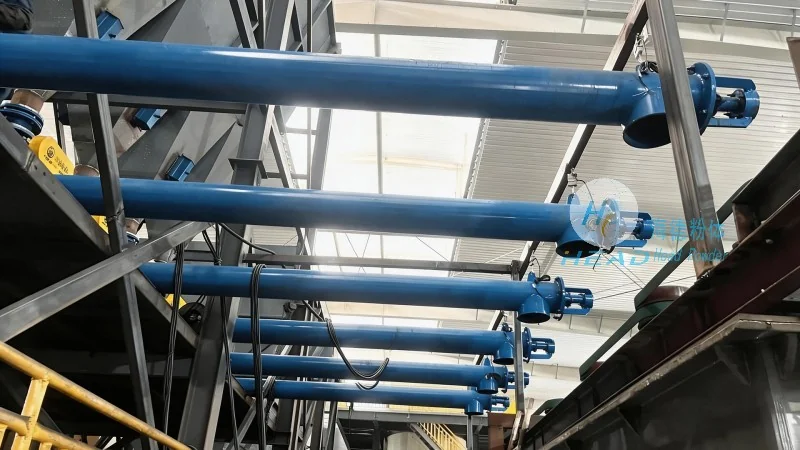
Introduction to Pneumatic Conveying for White Bean Flakes
Pneumatic conveying is a critical technology in the food processing industry, particularly for handling delicate materials like white bean flakes. The process involves transporting bulk materials through a pipeline using air or other gases as the conveying medium. For white bean flakes, this method ensures minimal product damage, maintains hygiene standards, and offers a flexible solution for various production environments.
Principles of Pneumatic Conveying
The core principle of pneumatic conveying for white bean flakes material is the use of differential pressure to move the material through a system of pipes. There are two main types of pneumatic conveying systems: pressure and vacuum. Pressure systems use compressed air to push the material forward, while vacuum systems use a vacuum to pull the material into the pipeline. For white bean flakes, which are lightweight and prone to dust, a pressure system is often preferred as it provides better control over the material flow and reduces the risk of product degradation.
Key components of a pneumatic conveying system for white bean flakes include the hopper (for material storage and feeding), the conveyor line (the pipeline through which the material travels), the air compressor (for generating the pressure), and the separation equipment (for cleaning the air and returning the material to the system). The hopper is designed to minimize material bridging and ensure a consistent feed rate, which is crucial for maintaining the efficiency of the conveying process. The conveyor line is typically made of stainless steel to prevent contamination and corrosion, and it may include bends and expansions to accommodate changes in direction and elevation.
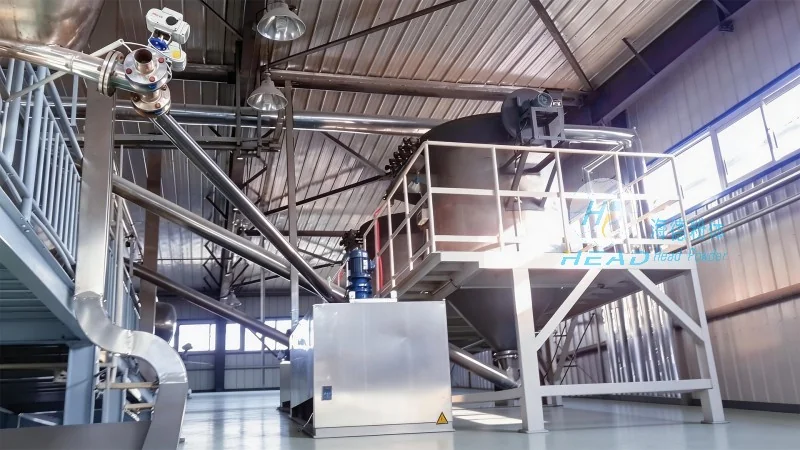
Working Scene Characteristics of Pneumatic Conveying for White Bean Flakes
The working scene characteristics of pneumatic conveying for white bean flakes material depend on several factors, including the production scale, the required conveying distance, and the specific properties of the material. For small-scale operations, a simple pressure system with a short conveyor line may be sufficient. However, for large-scale production facilities, more complex systems with multiple hoppers, conveyors, and separation units are often used to handle higher material volumes and ensure continuous operation.
In industrial settings, the pneumatic conveying system for white bean flakes is typically integrated with other processing equipment, such as grinding or mixing machines. This integration allows for a seamless flow of material from one stage to the next, reducing downtime and improving overall production efficiency. The system is also designed to be easy to clean and maintain, which is essential for meeting food safety regulations and ensuring product quality.
Advantages of Pneumatic Conveying for White Bean Flakes Material
Pneumatic conveying offers several advantages over traditional material handling methods, such as belt conveyors or bucket elevators. One of the main advantages is the ability to transport white bean flakes in a closed system, which prevents contamination from dust, moisture, or other environmental factors. This is particularly important for food products, as it helps maintain the purity and quality of the final product. Another advantage is the flexibility of the system, which allows for easy adjustments to the conveying rate or direction without major modifications to the equipment.
Additionally, pneumatic conveying is energy-efficient compared to other methods, as it uses less power to move the material over long distances. The system also reduces labor costs by automating the material handling process, allowing workers to focus on other tasks. For white bean flakes, which are delicate and require careful handling, pneumatic conveying provides a gentle and efficient transport method that minimizes product damage and maintains the integrity of the material.
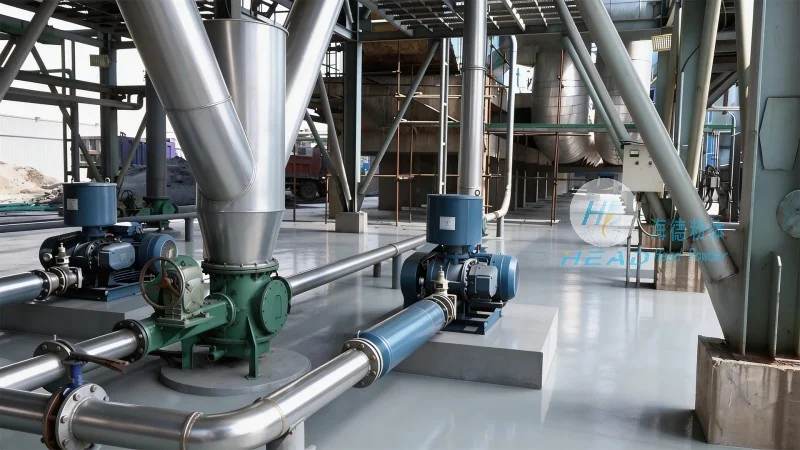
Applications and Case Studies
The application of pneumatic conveying for white bean flakes material is widespread in the food processing industry. For example, in a large-scale white bean processing plant, the system is used to transport the flakes from the grinding stage to the packaging line. The conveyor line is designed to handle high volumes of material, and the separation equipment ensures that the air is clean and free of dust, which is important for maintaining the quality of the final product.
Another application is in the production of white bean-based snacks, where the flakes are conveyed from the storage area to the mixing and extrusion machines. The pneumatic system allows for a continuous flow of material, which helps to maintain the production rate and reduce downtime. In both cases, the system is designed to meet the specific requirements of the production process, ensuring that the material is handled efficiently and safely.
Conclusion
Pneumatic conveying is an effective and efficient method for transporting white bean flakes material. The principles of this technology, combined with the working scene characteristics of the material, make it a suitable solution for various industrial applications. With its advantages in hygiene, flexibility, and energy efficiency, pneumatic conveying is a preferred choice for many food processing companies. As the demand for high-quality white bean products continues to grow, the use of advanced material handling technologies like pneumatic conveying will become increasingly important in maintaining production efficiency and product quality.