

Principle and Working Scene Characteristics of a Calcium Oxide Powder Pneumatic Conveying System
HeadPowder, a leading engineering company based in Shandong, China, specializes in the design and implementation of advanced material handling solutions. Our expertise lies in developing efficient pneumatic conveying systems tailored for various industrial applications, including the transportation of calcium oxide powder—a critical component in multiple manufacturing processes.
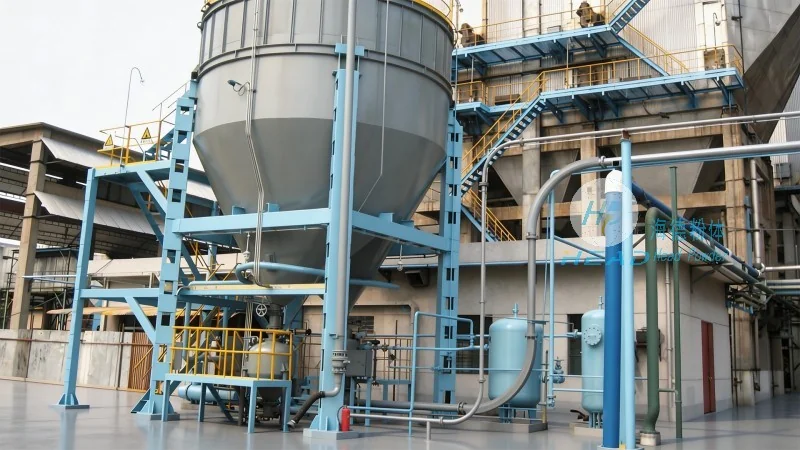
Understanding Pneumatic Conveying Systems for Calcium Oxide Powder
A pneumatic conveying system is a method of transporting bulk materials, such as calcium oxide powder, through a pipeline using air or other gases. The core principle involves creating a pressure differential to move the material from the source to the destination. In this system, a blower or compressor generates airflow, which draws the powder into the pipeline. The material is then carried through the system by the moving air, ensuring a continuous and controlled flow. This technology offers several advantages over traditional methods like belt conveyors or bucket elevators, including reduced dust exposure, lower maintenance costs, and the ability to handle materials in a closed environment, which is particularly important for calcium oxide powder due to its potential health hazards and environmental impact.
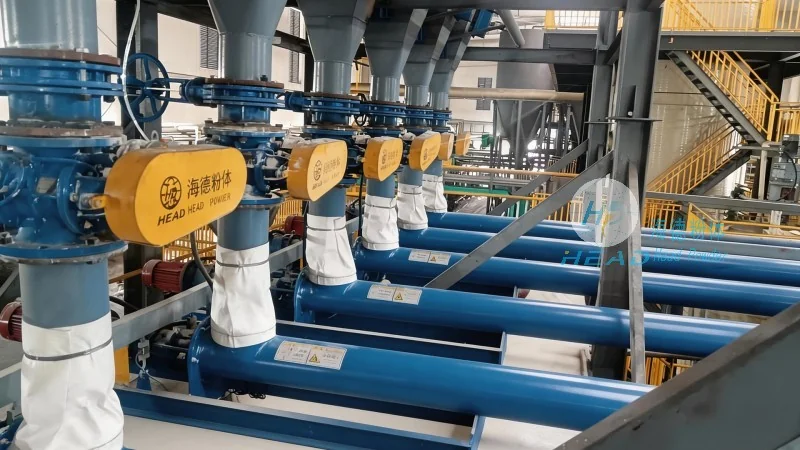
Key Components and Operational Principles
The effectiveness of a calcium oxide powder pneumatic conveying system depends on several key components. These include the material feed hopper, which stores and feeds the powder into the system; the air compressor or blower, which provides the necessary pressure and airflow; the pipeline network, which transports the material; and the control system, which regulates the flow and pressure. The system operates by first charging the hopper with calcium oxide powder. The air compressor then creates a vacuum or pressure, depending on the system design, to draw the powder into the pipeline. As the air flows through the system, it carries the powder particles along, maintaining a consistent velocity to prevent particle separation or settling. The control system monitors parameters like pressure, flow rate, and material level, ensuring optimal performance and preventing system failures. This integrated approach ensures that the calcium oxide powder is transported safely and efficiently, minimizing the risk of spills or contamination.
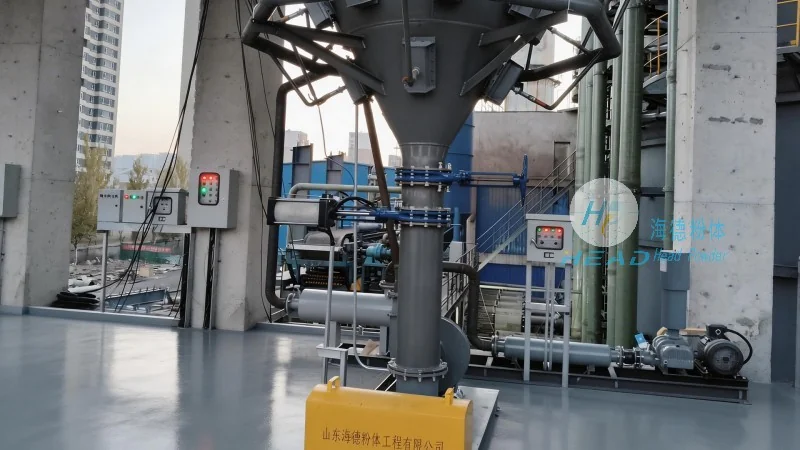
Working Scene Characteristics and Application Scenarios
The working scene characteristics of a calcium oxide powder pneumatic conveying system are tailored to meet the specific needs of industrial environments. These systems are commonly used in manufacturing facilities where calcium oxide is a key ingredient, such as in the production of cement, steel, and chemical products. The system's design allows for flexible integration into existing production lines, enabling seamless material transfer from storage silos to processing equipment. For example, in a cement plant, the calcium oxide powder is transported from a storage silo to a grinding mill, where it is mixed with other raw materials. The pneumatic conveying system ensures that the powder is delivered in a controlled manner, maintaining consistent quality and reducing downtime. Additionally, the system's closed design helps to contain dust and prevent environmental contamination, which is crucial in compliance with industrial regulations. The working scene also includes considerations for material handling efficiency, as the system can handle large volumes of calcium oxide powder at high speeds, improving overall production throughput. Furthermore, the system's adaptability allows it to be customized for different production scales, from small-scale laboratory applications to large industrial plants, making it a versatile solution for various calcium oxide powder handling needs.