

[W木片气力输送的运行过程和工作原理
Wood chip pneumatic conveying is a critical technology in the wood processing industry, enabling efficient and reliable transport of wood chips from one location to another. Understanding its operation process and working principle is essential for optimizing production efficiency and ensuring the smooth functioning of wood processing facilities. This article provides a detailed overview of the key aspects involved in wood chip pneumatic conveying systems, highlighting the technical components and operational dynamics that contribute to their effectiveness.
Introduction to Wood Chip Pneumatic Conveying
Wood chip pneumatic conveying systems are designed to transport wood chips using a combination of air pressure and vacuum. These systems are widely used in the pulp and paper industry, as well as in other sectors where wood chips need to be moved over short or medium distances. The primary advantage of pneumatic conveying is its ability to handle bulk materials with minimal human intervention, reducing labor costs and improving safety in the workplace. By utilizing air as the conveying medium, these systems eliminate the need for mechanical components like belts or buckets, which can be prone to wear and tear and require frequent maintenance.
Key Components of a Wood Chip Pneumatic Conveying System
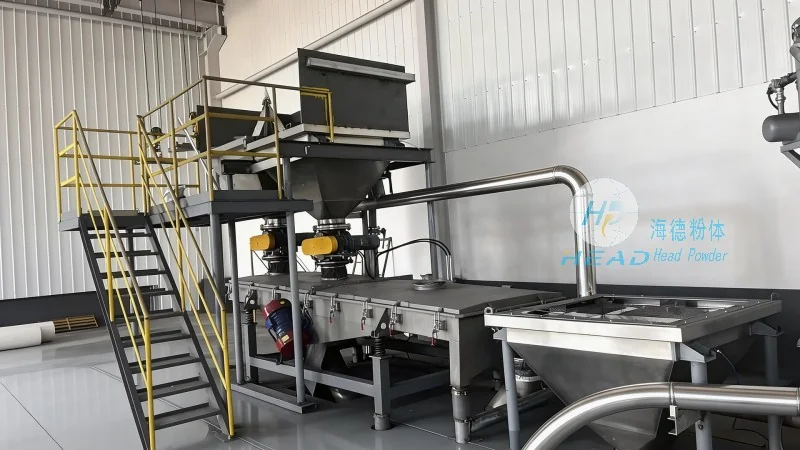
A typical wood chip pneumatic conveying system consists of several critical components that work in tandem to ensure efficient operation. These components include the hopper, which serves as the storage and feeding unit for the wood chips; the air compressor or vacuum pump, which generates the necessary pressure or vacuum to move the material; the conveying line, which is the main pipeline through which the wood chips and air travel; the control valves, which regulate the flow of air and material; and the discharge unit, which delivers the wood chips to the final destination. Each component plays a vital role in the overall performance of the system, and their proper integration is essential for achieving optimal conveying efficiency.
The Operation Process of Wood Chip Pneumatic Conveying
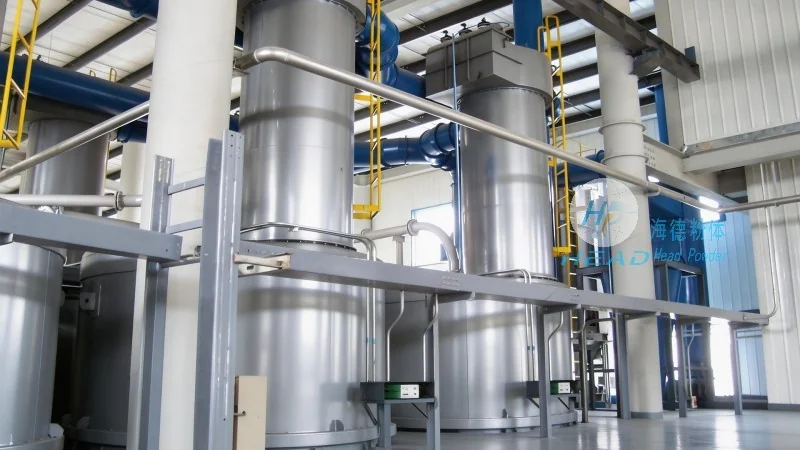
The operation process of a wood chip pneumatic conveying system involves several sequential steps. Initially, wood chips are fed into the hopper from a storage area or a processing unit. The hopper is equipped with a feeder mechanism, such as a rotary valve or a screw conveyor, which controls the flow rate of the material into the conveying line. Simultaneously, the air compressor or vacuum pump starts operating, generating the required pressure or vacuum in the system. As the wood chips enter the conveying line, they are entrained by the moving air, forming a slurry-like mixture that is propelled through the pipeline. The air velocity within the line must be sufficient to keep the wood chips suspended and prevent them from settling or clogging the pipeline. At the discharge end, the air and wood chips are separated, with the wood chips being collected in a receiving bin or a processing unit, while the air is either recirculated or vented to the atmosphere. The control valves are used to adjust the flow rate of air and material, ensuring that the system operates at the optimal pressure and flow conditions. This continuous process allows for the efficient transport of wood chips over varying distances, from a few meters to several hundred meters, depending on the system design and application requirements.
Working Principle of Wood Chip Pneumatic Conveying
The working principle of wood chip pneumatic conveying is based on the fundamental physics of fluid dynamics and particle transport. When air is forced through a pipeline at a high velocity, it creates a pressure differential that can be used to move solid particles like wood chips. The key to effective conveying is maintaining a sufficient air velocity to keep the particles suspended and prevent them from settling. This is achieved by controlling the air flow rate and the particle size distribution of the wood chips. Larger wood chips may require higher air velocities to remain suspended, while smaller chips can be conveyed at lower velocities. The system also relies on the principle of drag force, where the air exerts a force on the wood chips, pulling them along the pipeline. The drag force must be greater than the gravitational force acting on the particles to ensure that they remain in suspension and are transported efficiently. Additionally, the system may incorporate features such as cyclones or filters to separate the wood chips from the air, preventing clogging and ensuring the longevity of the conveying line. The working principle of wood chip pneumatic conveying is thus a combination of pressure or vacuum generation, air flow control, and particle suspension, all working together to achieve the desired material transport.
Applications and Benefits of Wood Chip Pneumatic Conveying
Wood chip pneumatic conveying systems are widely used in various applications within the wood processing industry. In the pulp and paper industry, these systems are used to transport wood chips from the storage yard to the pulping or processing units. They are also employed in the manufacturing of wood-based panels, such as particleboard and fiberboard, where wood chips need to be moved from the chipper to the drying or pressing equipment. The benefits of using pneumatic conveying for wood chips include improved efficiency, reduced labor costs, enhanced safety, and minimized material loss. By eliminating the need for manual handling and mechanical conveyors, these systems reduce the risk of accidents and improve the overall productivity of the facility. Additionally, pneumatic conveying systems can be designed to handle a wide range of wood chip sizes and moisture contents, making them versatile and adaptable to different production requirements. The ability to transport wood chips over long distances without the need for intermediate storage or handling points also contributes to the overall efficiency of the production process.
Maintenance and Optimization of Wood Chip Pneumatic Conveying Systems
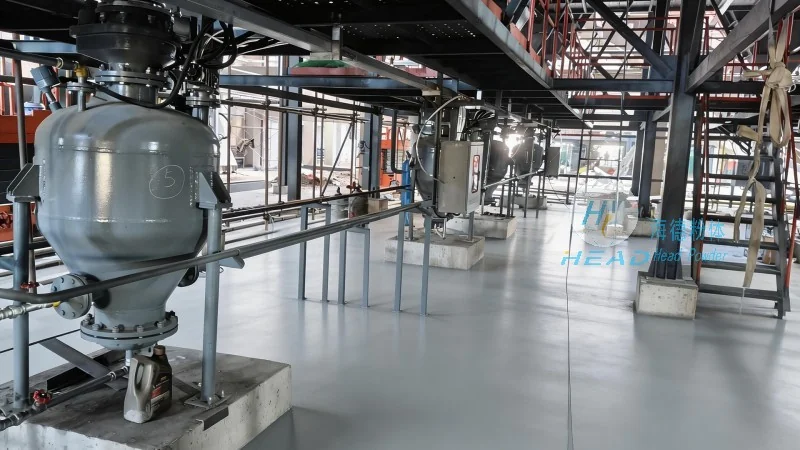
Maintaining the performance and longevity of wood chip pneumatic conveying systems is crucial for ensuring consistent operation and minimizing downtime. Regular maintenance activities include cleaning the conveying line and components to prevent clogging, inspecting the air compressor or vacuum pump for proper operation, and checking the control valves for proper function. The hopper and feeder mechanisms should also be inspected regularly to ensure that they are functioning correctly and not causing blockages or uneven material flow. Additionally, the system should be monitored for air pressure or vacuum levels, as fluctuations can indicate issues with the compressor or pump. By performing regular maintenance and monitoring, operators can identify and address potential problems before they lead to system failures. Optimization of the system involves adjusting the air flow rate and pressure to achieve the optimal conveying conditions, which can improve efficiency and reduce energy consumption. The use of advanced control systems and sensors can also help in optimizing the operation of the system by providing real-time data on the flow rate and pressure, allowing for adjustments to be made as needed. Proper maintenance and optimization of wood chip pneumatic conveying systems ensure that they operate at their peak performance, providing reliable and efficient transport of wood chips for years to come.
Conclusion
Wood chip pneumatic conveying is a sophisticated and efficient technology that plays a vital role in the wood processing industry. Understanding its operation process and working principle is essential for optimizing the performance of these systems and ensuring the smooth operation of wood processing facilities. The key components, operation steps, and working principles of wood chip pneumatic conveying systems have been detailed in this article, highlighting the importance of each aspect in achieving effective material transport. By leveraging the benefits of pneumatic conveying, such as improved efficiency, reduced labor costs, and enhanced safety, wood processing companies can enhance their productivity and competitiveness. With proper maintenance and optimization, wood chip pneumatic conveying systems can provide reliable and long-lasting service, contributing to the overall success of wood processing operations.