

Operation Process and Working Principle of Plastic Powder Pneumatic Conveying
Plastic powder pneumatic conveying systems are essential in industrial applications for transporting plastic powders efficiently and safely. These systems utilize air or gas as the conveying medium to move plastic powders from one location to another, offering advantages such as reduced contamination, improved process control, and enhanced safety compared to traditional mechanical conveying methods. The operation process and working principle of these systems are critical for understanding their functionality and optimizing their performance in various industrial settings.
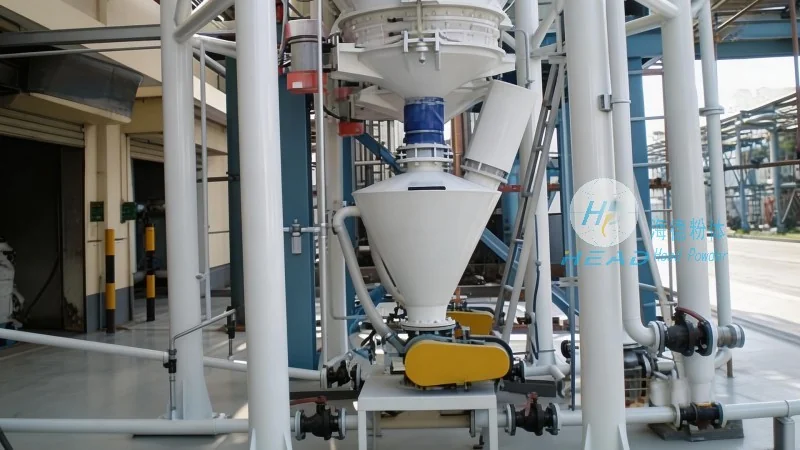
Company Overview: HeadPowder
HeadPowder, or Shandong HeadPowder Engineering Co., Ltd., is a leading manufacturer specializing in the design, development, and implementation of pneumatic conveying solutions for plastic powders. With a focus on innovation and quality, the company provides customized systems tailored to the specific needs of clients in the plastic manufacturing industry. HeadPowder's expertise in material handling and process engineering ensures that their systems meet the highest standards of efficiency and reliability.
Key Components of Plastic Powder Pneumatic Conveying Systems
The core components of a plastic powder pneumatic conveying system include the hopper, feeder, air compressor, conveying line, and receiver. The hopper is used to store the plastic powder, while the feeder controls the flow rate of the material into the system. The air compressor generates the necessary air pressure to move the powder through the conveying line. The conveying line, typically made of stainless steel or other corrosion-resistant materials, transports the powder from the hopper to the receiver. The receiver collects the conveyed powder and may include a dust collection system to ensure environmental compliance.
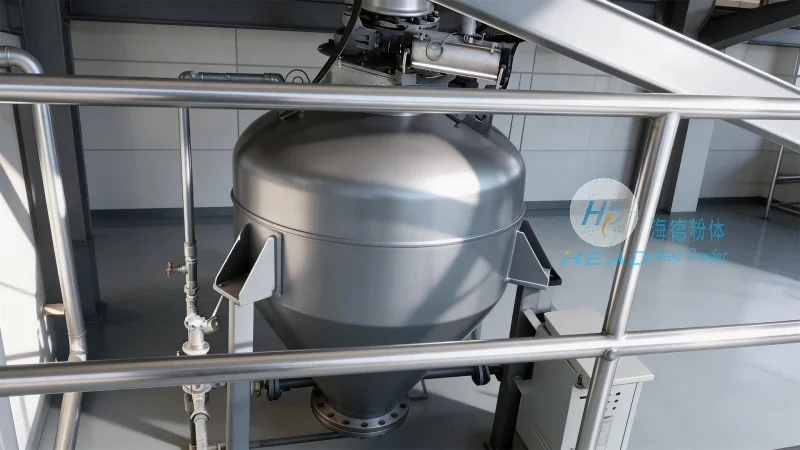
The Operation Process of Plastic Powder Pneumatic Conveying
The operation process of plastic powder pneumatic conveying involves several key steps. First, the plastic powder is loaded into the hopper. The feeder then regulates the flow of powder into the conveying line, ensuring a consistent and controlled feed rate. The air compressor supplies compressed air, which is introduced into the conveying line at the hopper end. As the air flows through the line, it creates a low-pressure zone that draws the plastic powder into the air stream. The mixture of powder and air travels through the conveying line to the receiver, where the air is separated from the powder and either vented or recycled. The plastic powder is then collected in the receiver, ready for further processing or use.
Working Principle of Plastic Powder Pneumatic Conveying
The working principle of plastic powder pneumatic conveying is based on the principle of fluidization and pneumatic transport. When compressed air is introduced into the conveying line, it creates a turbulent flow that suspends the plastic powder particles in the air stream. This suspension allows the powder to be transported as a slurry, moving along the conveying line with the air. The key to efficient conveying is maintaining the correct air velocity and pressure to ensure that the powder particles remain suspended without settling or clogging the line. The system's design, including the size and shape of the conveying line, the angle of the line, and the placement of components, all contribute to the effective operation of the system.
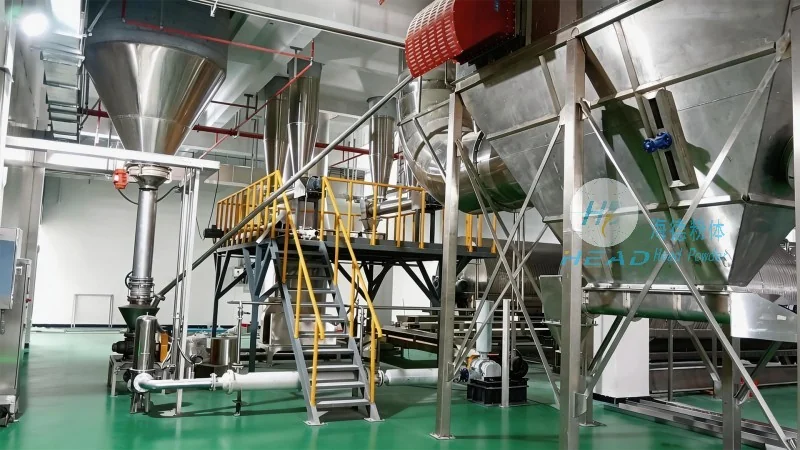
Advantages of Plastic Powder Pneumatic Conveying
Plastic powder pneumatic conveying systems offer several advantages over traditional mechanical conveying methods. These include reduced contamination, as the system is enclosed and prevents dust from entering the environment. Improved process control, as the flow rate of the powder can be precisely controlled by adjusting the air pressure or feeder settings. Enhanced safety, as the system eliminates the need for manual handling of plastic powders, reducing the risk of accidents and exposure to dust. Additionally, these systems are compact and can be installed in tight spaces, making them suitable for various industrial applications.
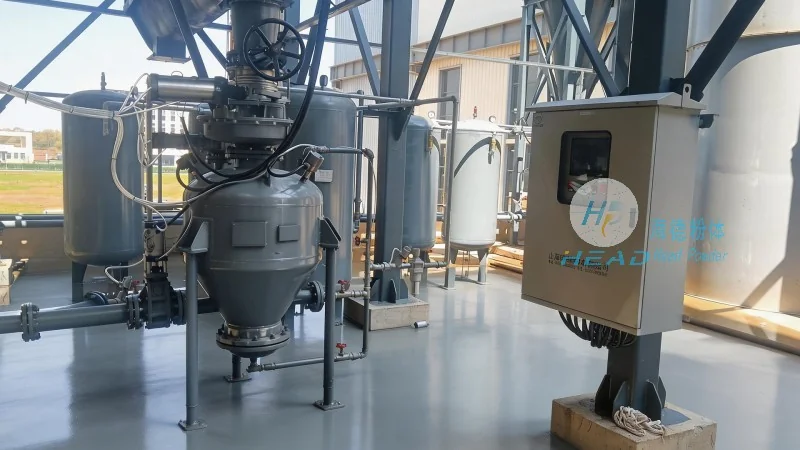
Applications of Plastic Powder Pneumatic Conveying
Plastic powder pneumatic conveying systems are widely used in the plastic manufacturing industry for various applications. These include transporting plastic powders from storage silos to processing equipment, moving plastic powders between different production lines, and conveying plastic powders to packaging or blending operations. The systems are also used in industries such as pharmaceuticals, food processing, and chemical manufacturing, where the handling of powders requires high levels of cleanliness and control.
Customization and Integration with HeadPowder
HeadPowder provides customized pneumatic conveying solutions tailored to the specific requirements of each client. The company works closely with clients to understand their process needs, material characteristics, and operational constraints to design a system that meets their unique requirements. HeadPowder's systems can be integrated with existing production lines or new facilities, ensuring seamless operation and minimal disruption to the production process. The company also offers maintenance and support services to ensure the long-term performance and reliability of their systems.