

Operation Process and Working Principle of Carbon Black Powder Pneumatic Conveying
Carbon black powder pneumatic conveying is a critical technology in material handling, enabling the efficient transport of carbon black particles through a pipeline system using air or other gas as the conveying medium. This method is widely utilized in industrial applications due to its ability to handle fine powders like carbon black with minimal dust generation and high transport efficiency. The process involves several key components and operational steps that ensure smooth and reliable material movement.
About Shandong HeadPowder Engineering Co., Ltd.
HeadPowder, a professional provider of carbon black powder handling solutions, is dedicated to delivering advanced pneumatic conveying systems. With a strong presence in China, particularly in Shandong province, the company has established itself as a leading manufacturer and supplier of industrial material transport equipment. Our commitment to quality and innovation ensures that clients receive robust, reliable, and efficient solutions tailored to their specific needs in carbon black processing and handling.
Operation Process of Carbon Black Powder Pneumatic Conveying
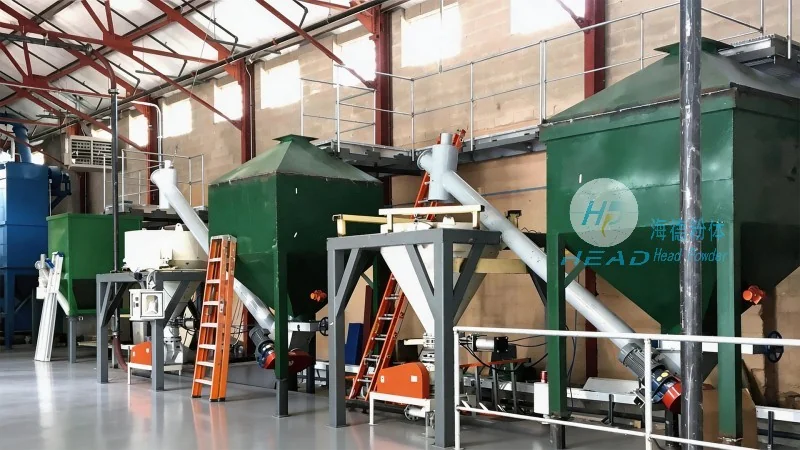
The operation process of carbon black powder pneumatic conveying typically involves several stages, each designed to ensure optimal material transport. The first stage is the material loading, where carbon black powder is fed into the conveying system, often through a hopper or a feeder that controls the flow rate. This initial step is crucial for maintaining a consistent and controlled feed, preventing blockages or uneven material distribution. Following the loading stage, the conveying medium—usually air or a combination of air and other gases—is introduced into the system. The air is pressurized or vacuumed, depending on the system design, to create the necessary force for moving the carbon black particles through the pipeline.
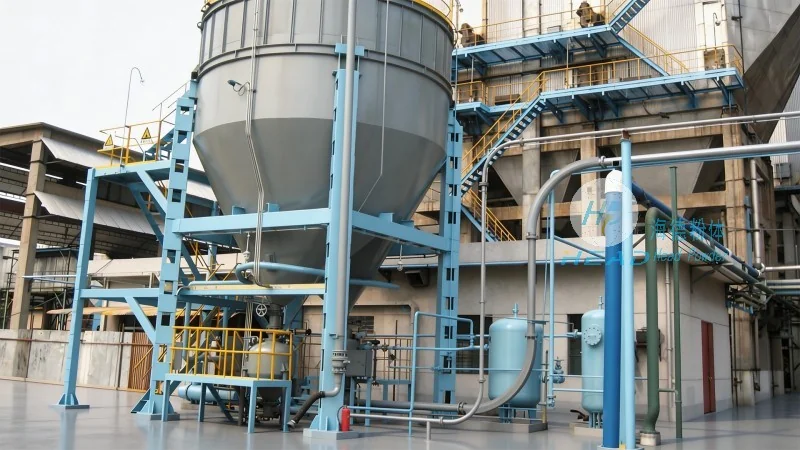
During the conveying phase, the carbon black powder is suspended in the air stream and transported to the destination point, such as a storage silo or a processing unit. The design of the pipeline, including the use of bends, elbows, and other components, is critical to minimize pressure loss and ensure smooth flow. The system may also incorporate features like pulse jets or rotary valves to maintain consistent material movement and prevent clogging. At the receiving end, the carbon black powder is separated from the air stream, often through a cyclone separator or a filter, and collected in a designated container. This separation process is essential for maintaining product purity and preventing dust contamination.
Working Principle of Carbon Black Powder Pneumatic Conveying
The working principle of carbon black powder pneumatic conveying is based on the fundamental concept of fluidization and suspension. When air is introduced into the conveying line at a sufficient velocity, it creates a fluidized bed of carbon black particles, allowing them to be carried along with the air flow. The key parameters, such as air velocity, pressure, and particle size, are carefully controlled to ensure that the particles remain suspended without settling or clogging the pipeline. The system operates on the principle of differential pressure, where the pressure difference between the feeding and receiving ends drives the material movement. This method is particularly effective for fine powders like carbon black, which are prone to agglomeration and dust issues in traditional gravity or mechanical conveying systems.
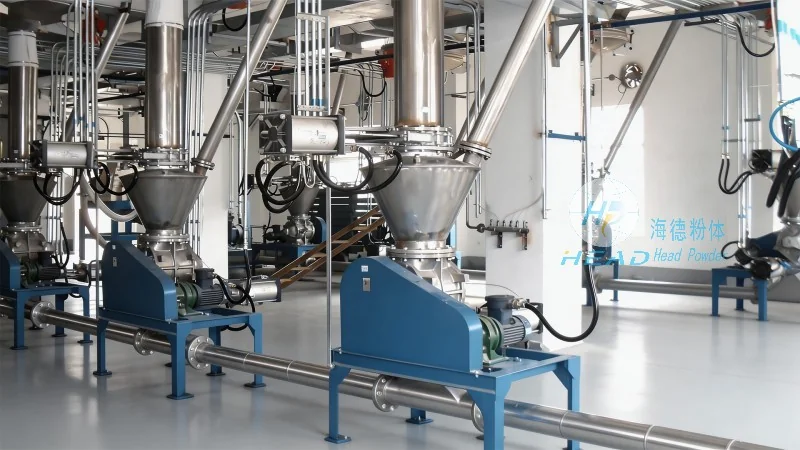
Another important aspect of the working principle is the use of appropriate equipment, such as positive displacement blowers or vacuum pumps, to generate the necessary air flow. These devices provide the required pressure or suction to move the carbon black powder through the pipeline. The selection of the conveying medium (air vs. gas) depends on factors like the material characteristics, system length, and desired transport efficiency. For carbon black, which is a fine and abrasive powder, air is commonly used due to its ability to handle the particle size and minimize wear on the system components.