

The Operation Process and Working Principle of Metal Powder Pneumatic Conveying
HeadPowder, a leading enterprise in the field of material handling solutions, specializes in the design, manufacturing, and application of advanced pneumatic conveying systems for metal powders. Based in Shandong, China, the company leverages decades of industry experience to deliver efficient, reliable, and cost-effective solutions tailored to the unique demands of metal powder processing industries. This article delves into the operational process and underlying principles of metal powder pneumatic conveying, highlighting the key components, working mechanisms, and practical applications that define this critical technology.
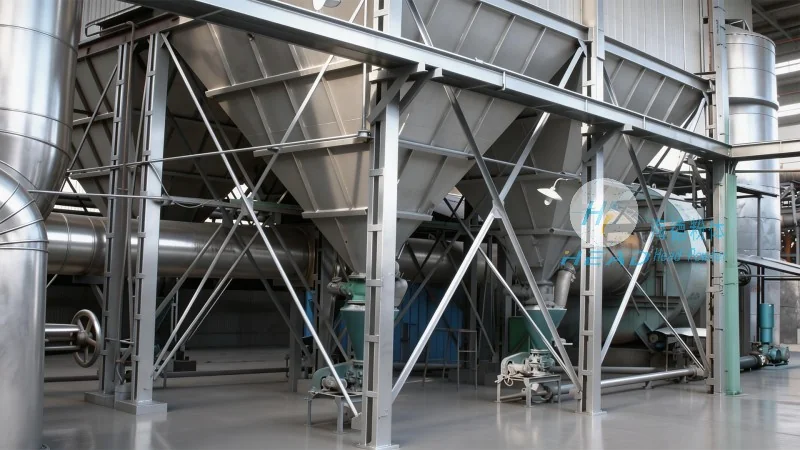
Company Overview: Shandong HeadPowder Engineering Co., Ltd.
HeadPowder, operating under the full name Shandong HeadPowder Engineering Co., Ltd., is a reputable manufacturer and supplier of pneumatic conveying equipment. With a strong presence in the Chinese market, the company has established itself as a trusted partner for businesses requiring robust solutions for transporting metal powders. The company’s headquarters is located in Shandong, China, where it maintains a state-of-the-art research and development center, production facilities, and technical support team. HeadPowder’s commitment to quality, innovation, and customer satisfaction drives its mission to enhance operational efficiency in metal powder handling across various industries.
Understanding Pneumatic Conveying for Metal Powders
Pneumatic conveying, also known as pneumatic transport, is a method of moving bulk materials through a pipeline using a gas stream, typically air. For metal powders, this technology offers significant advantages over traditional mechanical conveying systems, such as reduced wear and tear on equipment, lower maintenance costs, and improved product integrity. The process involves the creation of a low-pressure or high-pressure air flow within a pipeline, which draws or pushes the metal powder particles along the path of least resistance. The design of the system is critical to achieving optimal performance, as it must account for factors like particle size, density, moisture content, and the desired conveying distance.
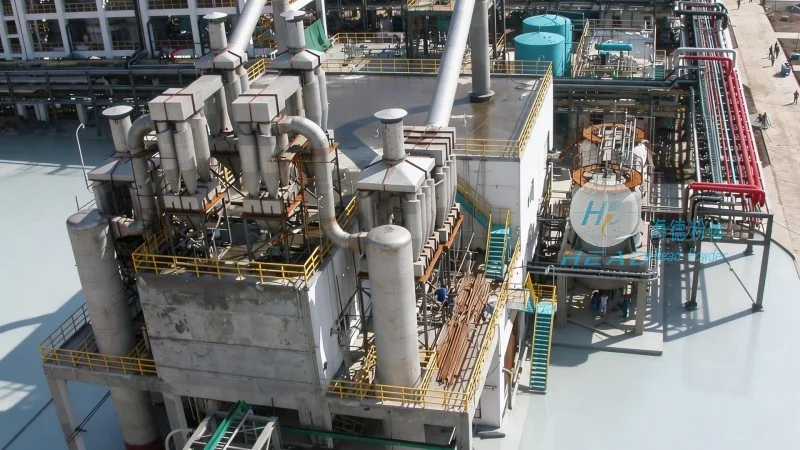
The Core Components of a Metal Powder Pneumatic Conveying System
A typical metal powder pneumatic conveying system consists of several key components, each playing a vital role in the overall operation. These components include the material feed hopper, which stores and feeds the metal powder into the system; the air supply system, which generates the necessary air pressure or vacuum; the conveying line, which transports the powder; and the discharge device, which delivers the material to its final destination. Additionally, the system may incorporate accessories such as filters, cyclones, and pressure vessels to ensure efficient separation of air and powder, and to maintain system cleanliness and safety.
Operation Process: Step-by-Step Breakdown
The operation of a metal powder pneumatic conveying system follows a systematic sequence of steps, each designed to ensure smooth and continuous material transport. The process begins with the loading of metal powder into the feed hopper. The powder is then introduced into the conveying line, either by a venturi or a rotary valve, which creates a pressure differential that draws the powder into the air stream. The air and powder mixture travels through the pipeline, with the air flow maintaining the powder in suspension. As the mixture reaches the discharge point, the air is separated from the powder using a cyclone or filter, allowing the metal powder to be collected in a receiving container. The separated air is then either recirculated back into the system or vented to the atmosphere, depending on the system design and environmental requirements.
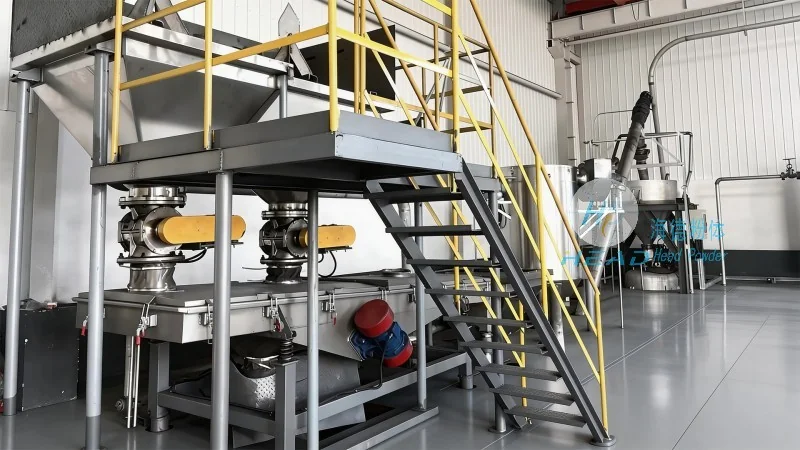
Working Principle: Fluidization and Suspension
The fundamental principle behind metal powder pneumatic conveying is the creation of a fluidized state for the powder particles. When air is introduced into the conveying line at a sufficient velocity, the powder particles are lifted off the pipe walls and become suspended in the air stream. This suspension is maintained by the continuous flow of air, which prevents the particles from settling and ensures uniform transport. The velocity of the air flow is a critical parameter, as it must be high enough to keep the powder in suspension but low enough to avoid excessive wear on the pipeline and components. The system’s design, including the diameter of the conveying line and the air pressure, is optimized to achieve this balance, ensuring efficient and reliable operation.
Advantages of Metal Powder Pneumatic Conveying
Compared to other conveying methods, metal powder pneumatic conveying offers several distinct advantages that make it the preferred choice for many industrial applications. One of the primary benefits is the reduction in product contamination, as the system is enclosed and prevents exposure to external elements. This is particularly important for metal powders, which are often used in high-purity applications such as aerospace, electronics, and pharmaceuticals. Additionally, the system provides a high degree of flexibility, allowing for changes in conveying direction and distance without the need for extensive modifications. The low maintenance requirements and energy efficiency of pneumatic conveying also contribute to cost savings over the long term. Furthermore, the ability to handle a wide range of particle sizes and densities makes the system versatile and adaptable to various production needs.
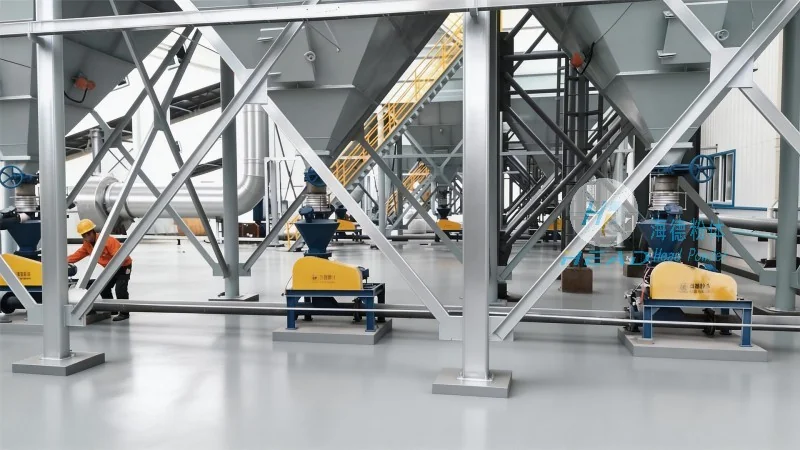
Applications in Metal Powder Processing
Metal powder pneumatic conveying is widely used in a variety of industries that rely on metal powders as raw materials. In the aerospace industry, for example, the system is used to transport aluminum, titanium, and other metal powders for the production of lightweight components. The electronics industry utilizes pneumatic conveying for the handling of copper and silver powders, which are essential for circuit board manufacturing. In the pharmaceutical and chemical sectors, the technology is employed to transport metal powders used in drug formulations and catalysts, ensuring precise dosing and minimal contamination. The automotive industry also benefits from this technology, as it facilitates the transport of metal powders used in the production of brake pads and other components.
Conclusion: The Role of HeadPowder in Advancing Metal Powder Conveying
HeadPowder, with its expertise and commitment to innovation, plays a pivotal role in advancing the technology of metal powder pneumatic conveying. By combining traditional knowledge with modern engineering, the company develops systems that meet the evolving needs of the metal powder processing industry. The operational process and working principles outlined in this article demonstrate the efficiency and reliability of pneumatic conveying, while also highlighting the importance of proper system design and maintenance. As industries continue to demand higher performance and quality in material handling, HeadPowder remains at the forefront, providing solutions that enhance productivity and ensure the integrity of metal powders throughout the supply chain.