

Operation Process and Working Principle of Vanadium Oxide Pneumatic Conveying
Vanadium oxide is a critical material in various industrial applications, and its efficient handling through pneumatic conveying systems is essential for maintaining production efficiency and safety. This article provides a detailed overview of the operation process and working principle of vanadium oxide pneumatic conveying, highlighting the key components, operational steps, and technical considerations involved in the process.
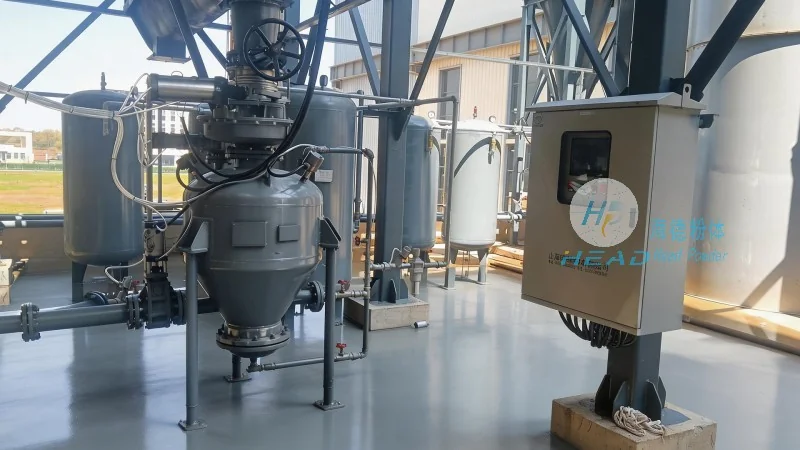
Introduction to Vanadium Oxide Pneumatic Conveying
Vanadium oxide, often used in the production of vanadium compounds and as a catalyst in chemical processes, requires specialized handling due to its physical properties and potential reactivity. Pneumatic conveying offers a non-contact, low-maintenance method for transporting this material, minimizing the risk of contamination and damage. The process involves the use of compressed air or other gases to move the material through a pipeline system, ensuring a continuous and controlled flow.
Key Components of the Pneumatic Conveying System
The vanadium oxide pneumatic conveying system consists of several critical components that work in tandem to achieve efficient material transport. These include the material hopper or feeder, which stores and dispenses the vanadium oxide; the air compressor or blower, which generates the necessary pressure to move the material; the conveying pipeline, which transports the material from the source to the destination; and the receiver or discharge hopper, where the material is collected. Additionally, components such as filters, cyclones, and pressure regulators may be included to ensure the system operates smoothly and safely.
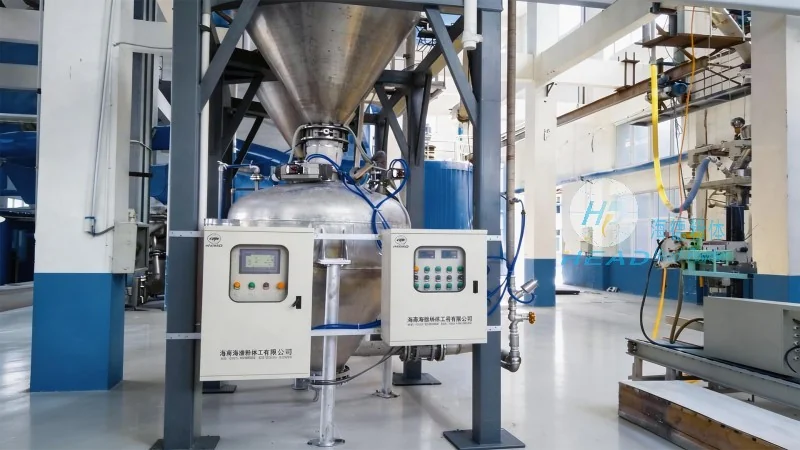
Operation Process of Vanadium Oxide Pneumatic Conveying
The operation process of vanadium oxide pneumatic conveying typically follows a sequence of steps designed to ensure optimal performance and material integrity. First, the vanadium oxide is loaded into the material hopper, where it is stored under controlled conditions to prevent caking or agglomeration. The feeder then dispenses the material into the conveying pipeline at a controlled rate, ensuring a consistent flow. Simultaneously, the air compressor generates compressed air, which is introduced into the pipeline at a specific pressure and flow rate. The compressed air then carries the vanadium oxide particles through the pipeline, creating a slurry or suspension that moves the material to the receiver. The receiver collects the material and may include a filtration system to separate any entrained air or fine particles, ensuring the material is delivered in a clean and uniform state.
Working Principle of the Pneumatic Conveying System
The working principle of the vanadium oxide pneumatic conveying system is based on the principles of fluid dynamics and particle transport. The compressed air creates a pressure differential within the pipeline, which drives the movement of the vanadium oxide particles. The velocity of the air and the size of the particles determine the conveying velocity and the pressure drop along the pipeline. The system must be designed to maintain a sufficient velocity to prevent particle deposition or blockages, while also minimizing energy consumption. The use of appropriate pipeline diameters, bends, and fittings is crucial to ensure smooth flow and avoid excessive pressure losses.
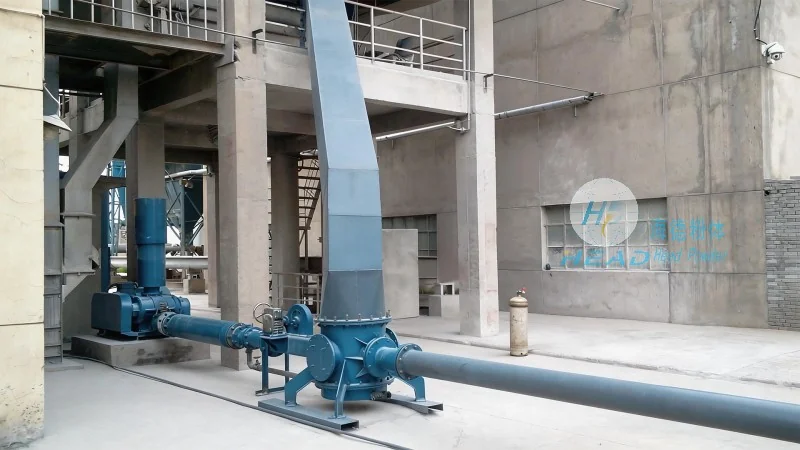
Technical Considerations for Efficient Vanadium Oxide Pneumatic Conveying
Several technical considerations are essential for the efficient and safe operation of vanadium oxide pneumatic conveying systems. Material properties, such as particle size distribution, density, and moisture content, significantly impact the conveying performance. Larger or heavier particles may require higher air velocities or pressure to be transported effectively. The system must also be designed to handle any potential dust or fumes generated during the process, incorporating appropriate filtration and ventilation systems to ensure workplace safety. Additionally, regular maintenance of the components, such as the air compressor and pipeline, is necessary to prevent wear and tear and ensure long-term reliability.
About Shandong HeadPowder Engineering Co., Ltd.
Shandong HeadPowder Engineering Co., Ltd., operating under the brand name headpowder, is a leading provider of pneumatic conveying solutions for industrial materials, including vanadium oxide. With a focus on innovation and customer satisfaction, the company specializes in designing and manufacturing customized conveying systems tailored to the specific needs of its clients. Headpowder's expertise in material handling technology ensures that their systems are efficient, reliable, and safe, meeting the highest industry standards. The company is committed to providing comprehensive support, from system design and installation to ongoing maintenance and technical assistance, to ensure optimal performance of the pneumatic conveying systems for vanadium oxide and other materials.