

The Operation Process and Working Principle of Barium Sulfate Pneumatic Conveying
Shandong HeadPowder Engineering Co., Ltd., commonly known as headpowder, is a professional enterprise based in Shandong, China, specializing in the design, manufacturing, and implementation of advanced material handling solutions, including pneumatic conveying systems for various industrial applications.
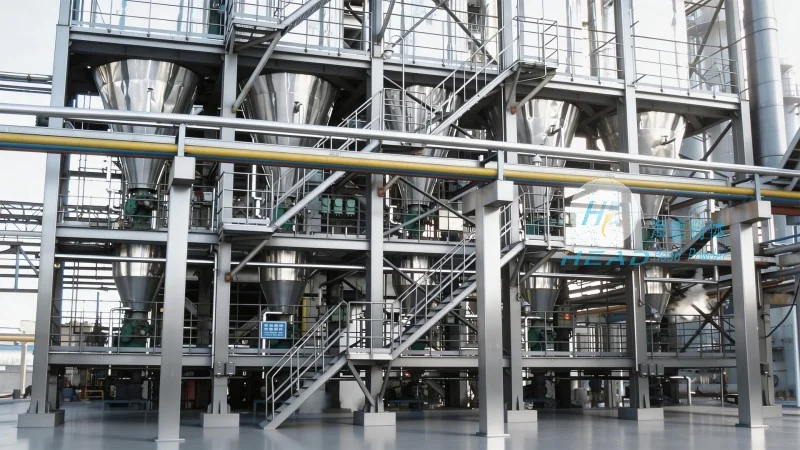
Pneumatic Conveying Systems: An Overview
Pneumatic conveying is a method of transporting bulk materials through a pipeline using air or other gases as the conveying medium. This technology is widely used in industries such as chemical processing, pharmaceuticals, food processing, and mining due to its efficiency, flexibility, and ability to handle a wide range of materials, including powders and granules. For barium sulfate, a common industrial chemical, pneumatic conveying offers a reliable and cost-effective solution for material transport from storage to processing units.
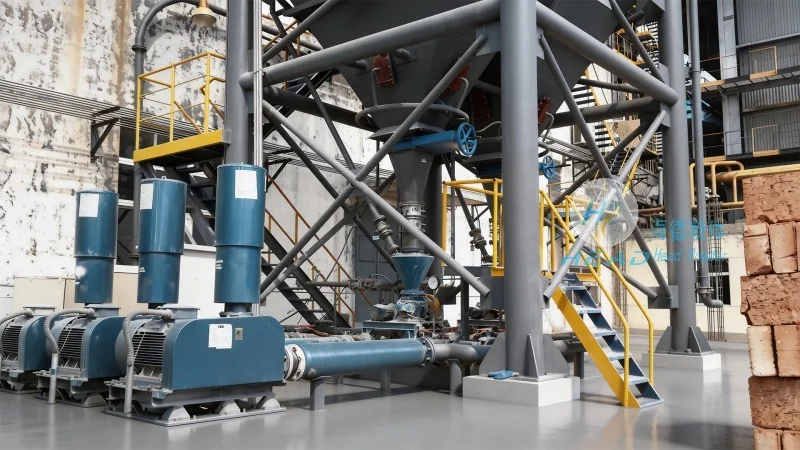
The Operation Process of Barium Sulfate Pneumatic Conveying
The operation of a barium sulfate pneumatic conveying system involves several key steps that ensure efficient and safe material transport. First, the barium sulfate powder is loaded into a hopper or storage silo. From there, the material is fed into the conveying line via a rotary valve or feeder, which controls the flow rate. The feeder then introduces the powder into the pipeline, where it is mixed with a high-velocity air stream. This air stream, typically generated by a positive displacement blower or a centrifugal fan, propels the barium sulfate particles through the pipeline to the destination point, such as a processing plant or a storage silo. At the receiving end, a separator or cyclone is used to separate the material from the air, allowing the barium sulfate to be discharged and the air to be filtered and recirculated.
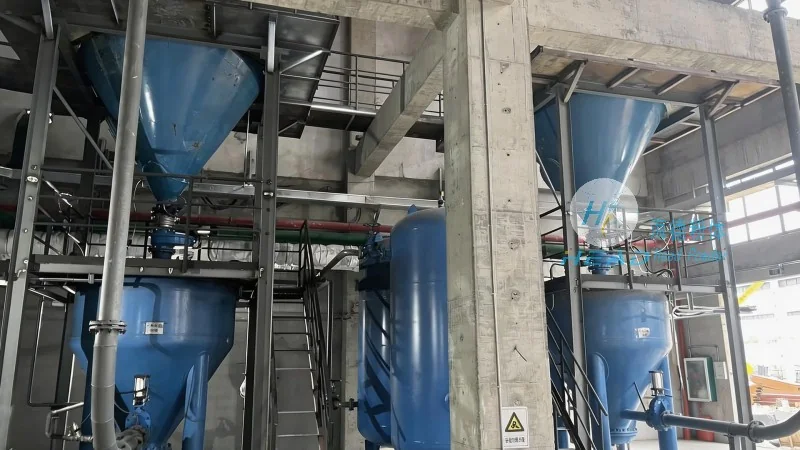
Working Principle of Barium Sulfate Pneumatic Conveying
The core principle behind barium sulfate pneumatic conveying is the interaction between the material particles and the air stream. The system operates on the principle of fluidization, where the air velocity is sufficient to lift and transport the particles. The key components of the system include the feeding mechanism, the conveying line, the air supply unit, and the separation equipment. The feeding mechanism ensures a consistent flow of barium sulfate into the pipeline, while the air supply unit provides the necessary pressure and volume to move the material. The conveying line, typically made of stainless steel or other corrosion-resistant materials, is designed to withstand the abrasive nature of the barium sulfate particles. The separation equipment, such as a cyclone or a bag filter, removes the material from the air stream, preventing dust and ensuring a clean operation.
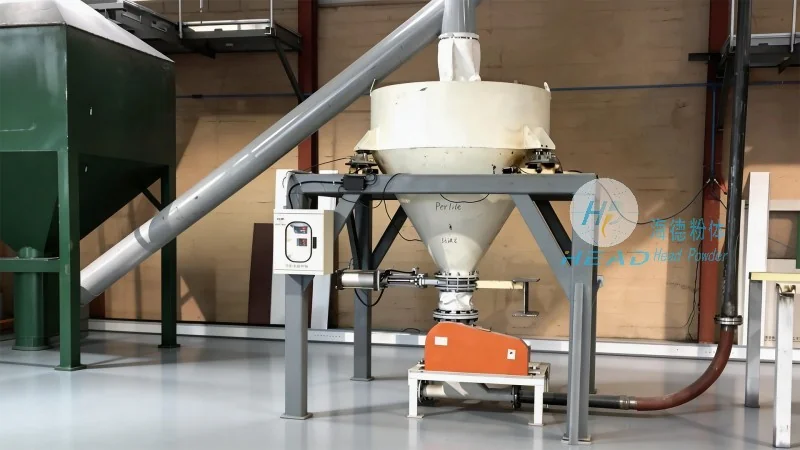
Technical Considerations and Advantages
When implementing a barium sulfate pneumatic conveying system, several technical considerations are crucial for optimal performance. The material's properties, such as particle size, density, and moisture content, must be carefully evaluated to determine the appropriate air velocity and system design. For example, fine barium sulfate particles may require higher air velocities to maintain stable transport, while larger particles may need a different feeder design to prevent blockages. The system's pressure and flow rate are also critical parameters that need to be monitored and adjusted to ensure efficient operation. One of the key advantages of pneumatic conveying for barium sulfate is its ability to handle the material in a closed system, which minimizes dust exposure and environmental impact. Additionally, the system can be integrated with other processing equipment, such as mixers or reactors, to streamline the production process and improve overall efficiency.