

Operation Process and Working Principle of Powder Conveying for Battery Positive Electrode Materials
HeadPowder, a leading provider in the field of powder handling technology, specializes in the design and implementation of efficient systems for conveying battery positive electrode materials. This article provides a detailed overview of the operational process and working principles behind these critical systems, ensuring optimal performance and reliability in material handling for battery manufacturing.
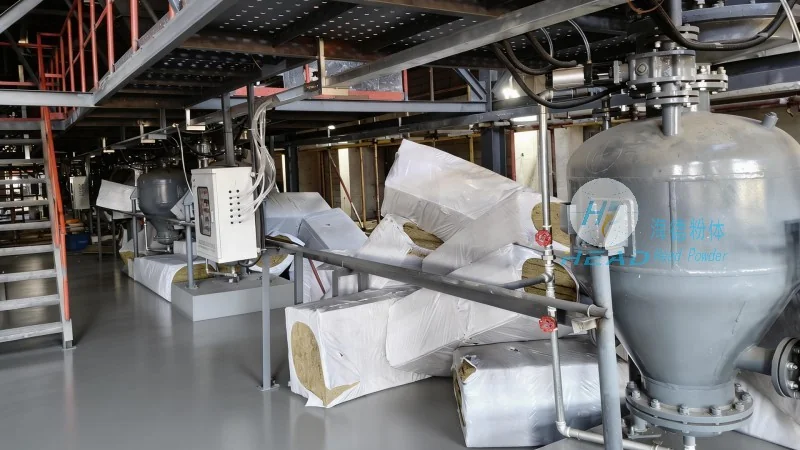
Company Profile: Shandong HeadPowder Engineering Co., Ltd.
HeadPowder is a professional enterprise headquartered in Shandong, China. The company focuses on delivering advanced solutions for powder processing, including conveying, storage, and handling systems tailored for the battery industry. With a commitment to innovation and precision, HeadPowder has established itself as a trusted partner for manufacturers seeking to enhance their material handling capabilities.
Understanding the Powder Conveying Process
The operation of powder conveying systems for battery positive electrode materials involves several key steps designed to ensure the efficient and safe transport of raw materials from storage to processing units. The process begins with the preparation of the powder, which may include drying, sieving, or blending to achieve the desired particle size and consistency. This initial preparation is crucial for maintaining the quality and uniformity of the material, as variations in particle size can impact the performance of the final battery product.
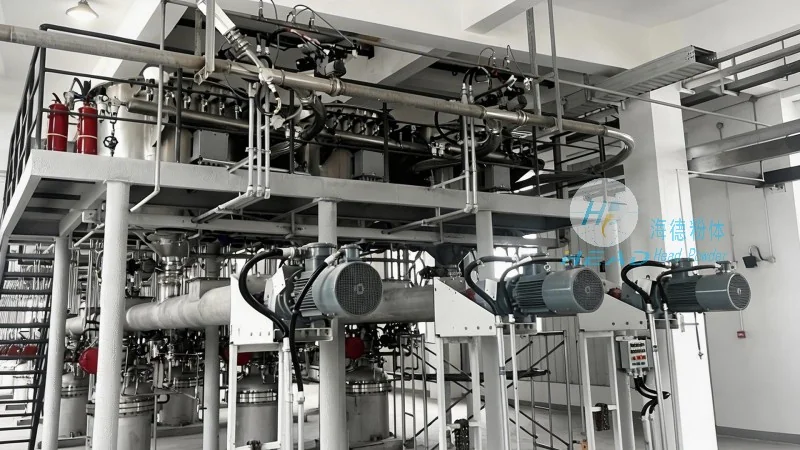
Working Principle of Conveying Systems
HeadPowder's systems typically utilize a combination of mechanical and pneumatic technologies to achieve effective powder transport. Mechanical conveyors, such as screw conveyors or belt conveyors, are often employed for bulk material handling, providing reliable and continuous movement of the powder. In contrast, pneumatic conveying systems use air pressure to transport the material through pipelines, offering flexibility and the ability to handle fine powders without the need for direct contact with moving parts. The choice of system depends on factors like material characteristics, required throughput, and the overall layout of the manufacturing facility.
Key Components and Their Functions
Several critical components are integral to the operation of these powder conveying systems. The hopper or silo serves as the storage container, holding the raw material and feeding it into the conveyor system. The feeder, which may be a rotary valve or a vibratory feeder, regulates the flow of material from the hopper to the conveyor, ensuring a consistent and controlled discharge rate. The conveyor itself, whether mechanical or pneumatic, transports the powder to the processing equipment, such as mixing or coating machines. Finally, the control system monitors and adjusts the operation of all components, maintaining optimal performance and preventing issues like blockages or overloading.
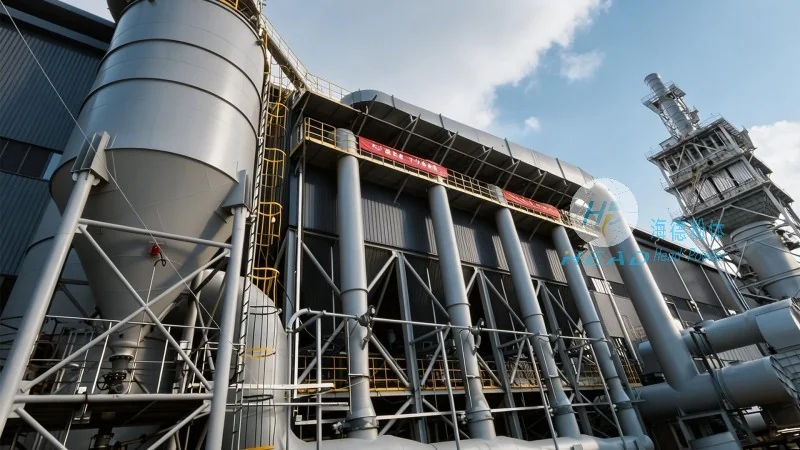
Operational Steps and Workflow
The operational workflow for a typical powder conveying system starts with the material being loaded into the hopper. The feeder then controls the discharge rate, feeding the material into the conveyor. The conveyor transports the powder to the processing unit, where it is further processed into the battery positive electrode material. Throughout this process, the system is monitored by sensors and control devices that detect any deviations in flow or pressure, allowing for immediate adjustments to maintain smooth operation. Regular maintenance and cleaning are also essential to prevent material buildup and ensure the longevity of the equipment.
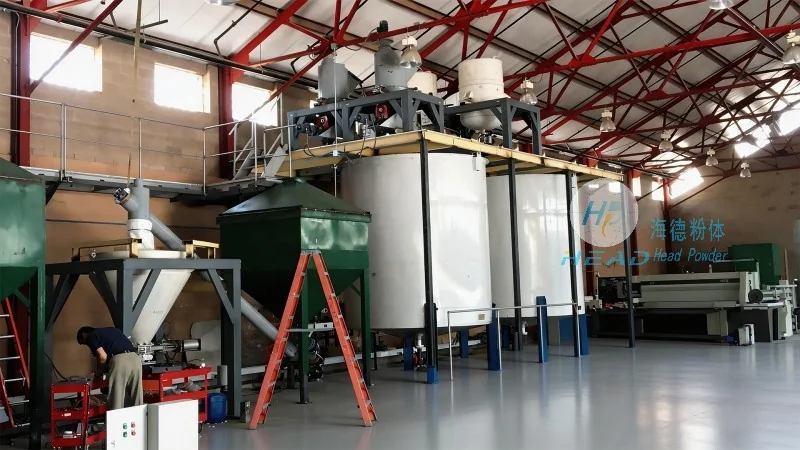
Benefits and Advantages of Efficient Powder Conveying
Implementing an efficient powder conveying system for battery positive electrode materials offers numerous benefits for manufacturers. These include improved material handling efficiency, reduced downtime due to equipment failures, and enhanced product quality through consistent material flow. Additionally, the use of advanced technologies allows for better control over particle size distribution and moisture content, which are critical factors in the performance of the final battery. By optimizing the conveying process, companies can achieve higher production throughput, lower operational costs, and improved overall productivity.
Conclusion
HeadPowder's expertise in powder conveying systems for battery positive electrode materials ensures that manufacturers can achieve reliable and efficient material handling solutions. By understanding the operational process and working principles of these systems, companies can enhance their production capabilities and meet the growing demands of the battery industry. With a focus on quality, innovation, and customer satisfaction, HeadPowder continues to provide cutting-edge solutions that support the success of its clients in the battery manufacturing sector.