

The Operation Process and Working Principle of Beer Brewery Sludge Powder Conveying
Beer brewery sludge, also known as spent grain or brewery waste, is a byproduct of the brewing process. Efficient and reliable powder conveying of this material is crucial for maintaining the operational efficiency of breweries and ensuring proper waste management. The process of conveying beer brewery sludge powder involves several key components and operational steps that work in tandem to achieve effective material transport. Understanding the operation process and working principle of these systems is essential for optimizing brewery operations and minimizing downtime.
Key Components of Beer Brewery Sludge Powder Conveying Systems
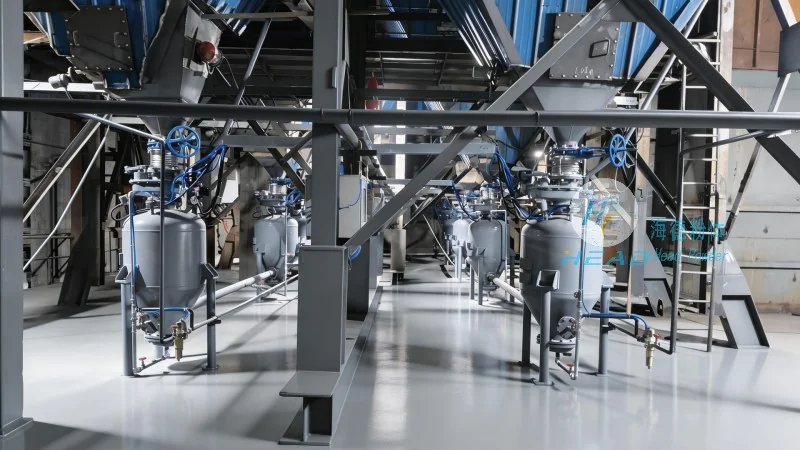
The core components of a beer brewery sludge powder conveying system typically include a hopper for material storage, a conveyor mechanism (such as a screw conveyor or pneumatic conveyor), and a control system for regulating the flow. The hopper is designed to hold the sludge powder in a contained environment, preventing dust and ensuring uniform feeding. The conveyor mechanism is responsible for transporting the sludge from the storage area to the processing or disposal location. For example, a screw conveyor uses rotating screws to push the material forward, while a pneumatic conveyor utilizes air pressure to move the powder through a pipeline. The control system monitors parameters like pressure, flow rate, and temperature to maintain optimal operation and prevent blockages or overloading.
Operation Process of Beer Brewery Sludge Powder Conveying
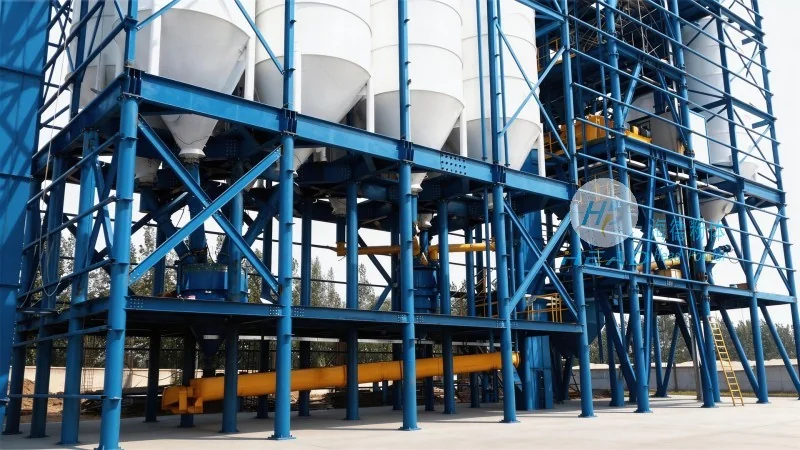
The operation process of a beer brewery sludge powder conveying system begins with the loading of sludge into the hopper. The material is then fed into the conveyor mechanism through a feed valve or gate. As the conveyor operates, the sludge is transported along the path defined by the system. For instance, in a screw conveyor, the rotating screws turn and push the sludge forward, ensuring a steady flow. In a pneumatic system, compressed air is introduced into the pipeline, creating a flow that carries the sludge particles. The system may include multiple sections, such as a primary conveyor for initial transport and a secondary conveyor for final delivery to the processing unit. Each section is designed to handle specific volumes and distances, ensuring the sludge is moved efficiently without loss or degradation.
Working Principle of Beer Brewery Sludge Powder Conveying
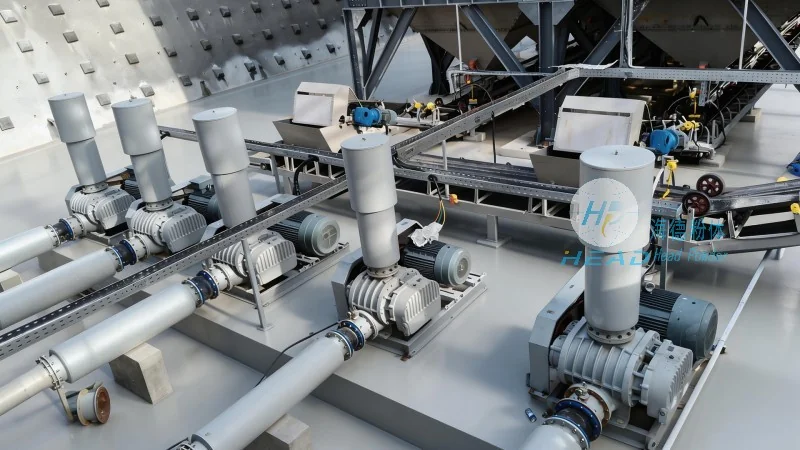
The working principle of beer brewery sludge powder conveying systems is based on the physical properties of the material and the mechanical or pneumatic forces applied to move it. For mechanical conveyors like screw conveyors, the principle involves the use of rotating screws to generate a pushing force that moves the sludge along the conveyor tube. The pitch and speed of the screw determine the capacity and efficiency of the system. In pneumatic conveyors, the principle relies on the creation of a pressure differential using compressed air. The air flow carries the sludge particles through the pipeline, with the velocity and pressure of the air controlling the transport rate. The system may also incorporate features like cyclones or separators to separate the sludge from the air stream, ensuring the material is delivered to the target location without contamination. The control system plays a critical role in maintaining the balance between the material feed rate and the conveyor capacity, preventing overloading and ensuring smooth operation.
Benefits of Efficient Beer Brewery Sludge Powder Conveying
Efficient beer brewery sludge powder conveying systems offer several benefits to breweries. Firstly, they enhance operational efficiency by ensuring a consistent and reliable flow of sludge, reducing downtime caused by material blockages or system failures. Secondly, they improve waste management by facilitating the proper disposal or processing of the sludge, which is essential for compliance with environmental regulations. Thirdly, they reduce labor costs by automating the material transport process, minimizing the need for manual handling of the sludge. Additionally, efficient conveying systems help maintain the quality of the sludge by preventing exposure to air and moisture, which can cause degradation or spoilage. Overall, a well-designed and properly maintained sludge powder conveying system is a critical component of a brewery's infrastructure, contributing to its overall productivity and sustainability.
Conclusion
In conclusion, the operation process and working principle of beer brewery sludge powder conveying systems are integral to the efficient management of brewery waste. By understanding the key components, operational steps, and underlying principles of these systems, breweries can optimize their material transport processes, reduce operational costs, and ensure compliance with environmental standards. The technology and expertise provided by companies like Shandong HeadPowder Engineering Co., Ltd. play a vital role in delivering reliable and effective sludge conveying solutions that meet the specific needs of modern breweries. As breweries continue to prioritize sustainability and operational efficiency, the importance of robust sludge powder conveying systems will only grow, making them a key investment for any brewery looking to maintain a competitive edge in the industry.