

The Operation Process and Working Principle of Graphite Material Conveying
Shandong HeadPowder Engineering Co., Ltd., commonly known as headpowder, is a professional manufacturer specializing in graphite material conveying systems. Headquartered in Shandong, China, the company is committed to providing efficient and reliable conveying solutions for industrial clients across various sectors.
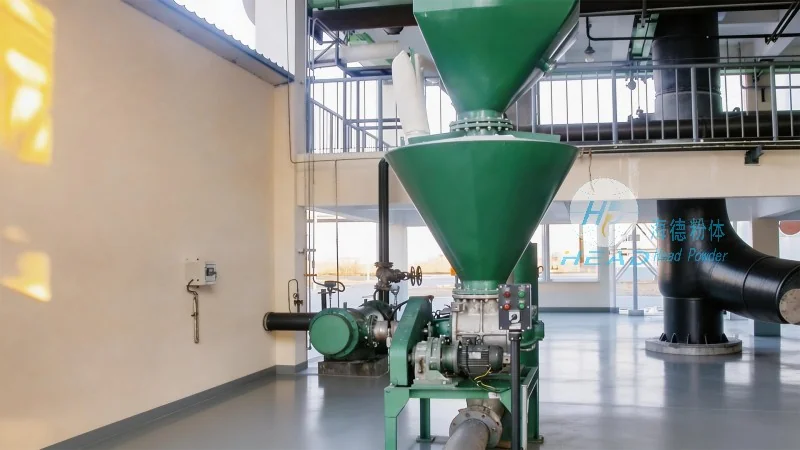
Graphite, a vital industrial raw material widely used in battery production, lubricants, refractory materials, and other applications, requires precise handling during transportation. Its physical properties, such as brittleness and low friction coefficient, demand specialized conveying equipment to prevent material damage or contamination. headpowder's conveying systems are specifically designed to address these challenges, ensuring optimal performance and product integrity.
The Operation Process of Graphite Material Conveying
The operation of a typical graphite material conveying system involves several key stages, each optimized to handle the unique characteristics of graphite. The process begins with the loading of graphite into a storage hopper or silo. From there, the material is fed into the primary conveying equipment, such as a screw conveyor or pneumatic conveyor, depending on the application and scale of the operation.
The conveying equipment then transports the graphite along a predetermined path. For example, a screw conveyor uses rotating helical blades to move the material forward, while a belt conveyor relies on a continuous belt to carry the graphite from the inlet to the outlet. In pneumatic systems, compressed air is used to suspend and transport the graphite particles through a pipeline network. Throughout this process, the system's control unit continuously monitors parameters like speed, pressure, and flow rate, adjusting them in real-time to maintain consistent performance and prevent blockages or overloading.
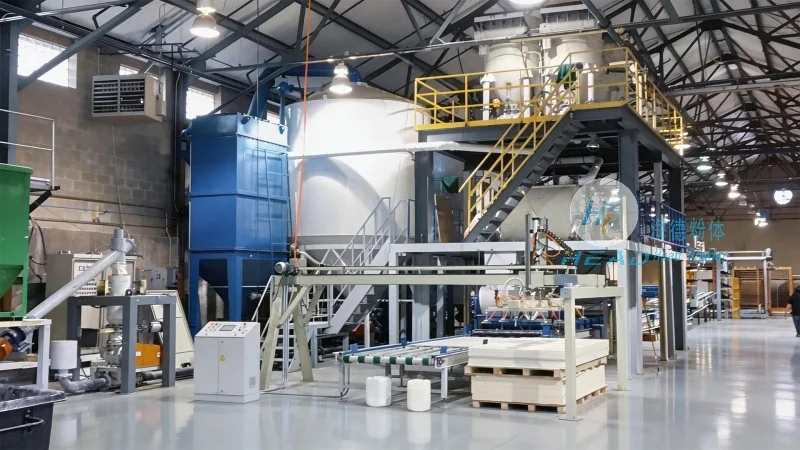
At the discharge end, the graphite is released into a receiving container or processing unit. The control system ensures that the discharge rate matches the upstream feeding rate, maintaining a stable flow. This end-to-end process is designed to minimize downtime and maximize throughput, making it suitable for both small-scale laboratory applications and large-scale industrial production lines.
The Working Principle of Graphite Material Conveying Systems
The working principle of headpowder's graphite conveying systems combines mechanical and pneumatic technologies to achieve efficient material transport. Mechanical conveyors, such as screw and belt conveyors, operate on the principle of continuous motion, using rotating components to push or pull the graphite along the conveying path. These systems are particularly effective for bulk material handling and are easy to integrate with existing production lines.
Pneumatic conveying systems, on the other hand, utilize compressed air to create a flow of air and graphite particles. The air pressure forces the graphite to move through the pipeline, with the velocity of the air determining the conveying capacity. This method is ideal for handling fine or dusty graphite powders, as it can transport the material over long distances without the need for multiple transfer points.
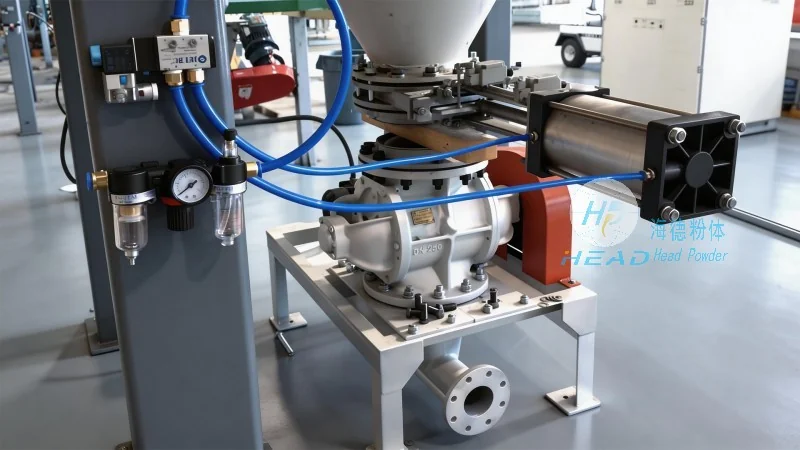
A key aspect of the working principle is the consideration of graphite's brittleness. To minimize breakage during transport, headpowder's systems employ low-speed, high-torque motors and flexible conveying components. The use of wear-resistant materials, such as stainless steel or ceramic-coated parts, further reduces friction and abrasion, extending the lifespan of the equipment. Additionally, the systems are equipped with dust collection and filtration systems to comply with environmental regulations and maintain a clean working environment.
Technical Advantages and Applications
headpowder's graphite material conveying systems offer several technical advantages that make them a preferred choice for industrial applications. The high efficiency of the conveying process reduces energy consumption and operational costs, while the low maintenance design minimizes downtime and repair expenses. The automated control features allow for precise adjustment of conveying parameters, adapting to changes in production demand or material characteristics.
The modular design of the systems enables easy installation and integration into existing facilities, with components that can be replaced or upgraded without major system overhauls. This flexibility is particularly beneficial for industries that require frequent changes in production processes or material types.
Applications of these conveying systems span multiple industries. In the battery manufacturing sector, the systems efficiently transport graphite powders to mixing and electrode production lines. In the lubricant industry, they handle graphite-based additives for oil formulations. In refractory production, the systems ensure consistent delivery of graphite to furnace linings, improving the quality and durability of the final products. Regardless of the application, headpowder's conveying solutions enhance productivity, reduce material loss, and maintain product quality, making them a reliable choice for industrial clients.