

Operation Process and Working Principle of Coke Material Conveying Equipment
Coke material conveying equipment is a critical component in the industrial sector, particularly in the steel and metallurgical industries. These systems are designed to efficiently transport coke, a vital raw material used in the production of steel, from storage facilities to processing units. The smooth operation of coke conveying systems directly impacts production efficiency, safety, and overall operational costs. Understanding the operation process and working principle of such equipment is essential for optimizing industrial workflows and ensuring reliable material handling.
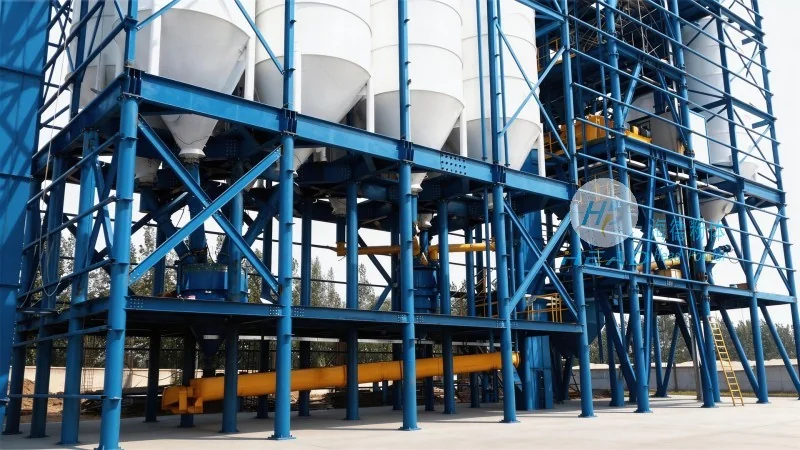
About Shandong HeadPowder Engineering Co., Ltd.
HeadPowder, the professional manufacturer behind this advanced coke material conveying equipment, is a leading company based in Shandong, China. With years of experience in engineering and manufacturing, HeadPowder specializes in providing high-quality industrial solutions tailored to the specific needs of clients in the steel and related industries. The company's commitment to innovation, quality, and customer satisfaction has established it as a trusted partner in the field of material handling equipment.
Key Components of Coke Material Conveying Systems
The operation of coke material conveying equipment involves several key components that work in tandem to ensure efficient material transport. These components typically include feed hoppers, conveyor belts or screw conveyors, drive mechanisms, control systems, and safety features. Each component plays a crucial role in the overall functionality of the system.
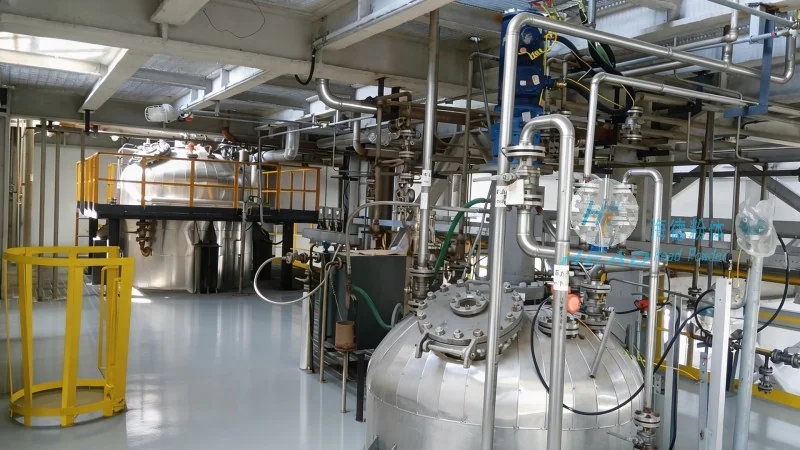
Feed hoppers are used to store and feed coke into the conveyor system. They are designed to handle bulk materials and ensure a consistent flow of coke to the conveyor. The conveyor itself, which can be a belt conveyor or a screw conveyor depending on the application, is responsible for transporting the coke from the feed hopper to the processing unit. Drive mechanisms, such as electric motors, provide the necessary power to move the conveyor. Control systems allow operators to monitor and adjust the speed and direction of the conveyor, ensuring precise material handling. Safety features, including sensors and emergency stop buttons, are integrated to prevent accidents and protect personnel.
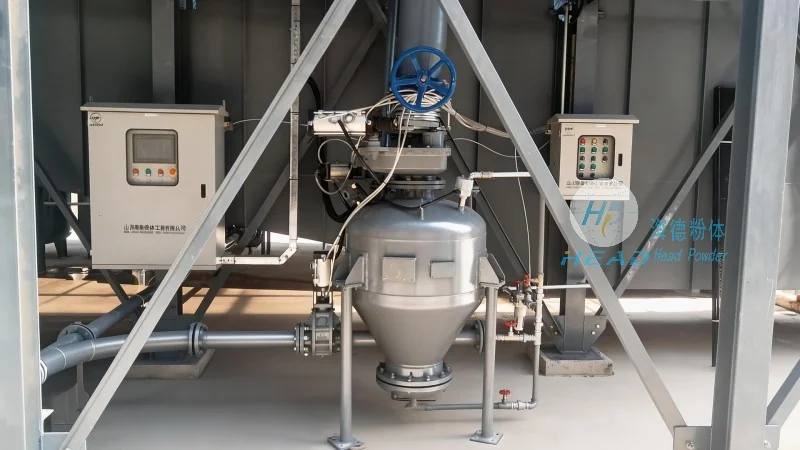
Operation Process of Coke Material Conveying Equipment
The operation process of coke material conveying equipment can be broken down into several stages. First, coke is loaded into the feed hopper from storage silos or trucks. The feed hopper then releases the coke into the conveyor at a controlled rate. The conveyor transports the coke to the processing unit, such as a blast furnace or a coke oven. The speed of the conveyor is adjusted based on the production requirements to maintain a steady flow of coke. Throughout the process, the control system monitors the flow rate and adjusts the conveyor speed as needed to prevent overloading or underloading. Safety sensors are active to detect any blockages or malfunctions, triggering an emergency stop if necessary.
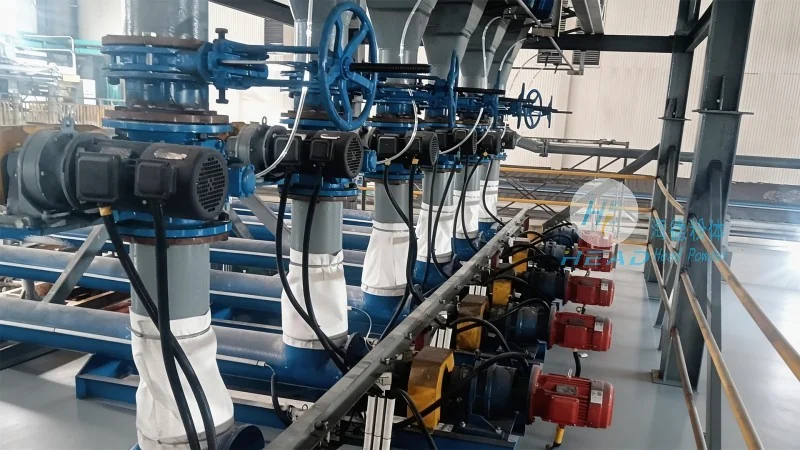
Working Principle of Coke Material Conveying Equipment
The working principle of coke material conveying equipment is based on mechanical energy transfer and material handling technology. The primary goal is to move bulk coke from one location to another with minimal human intervention and maximum efficiency. The system operates by using a conveyor mechanism to lift and move the coke. In belt conveyors, a motor-driven pulley system pulls the belt, which carries the coke along its path. In screw conveyors, a rotating screw pushes the coke forward through a tube. The control system manages the speed and direction of the conveyor, ensuring that the coke is transported at the optimal rate. The entire process is automated to a large extent, reducing the need for manual labor and minimizing the risk of errors.
Advantages of Using Coke Material Conveying Equipment
Implementing coke material conveying equipment offers several advantages for industrial operations. Firstly, it significantly improves production efficiency by ensuring a continuous and steady supply of coke to processing units. This reduces downtime and increases overall output. Secondly, the equipment enhances safety by minimizing the need for manual handling of heavy and bulky coke, reducing the risk of accidents and injuries. Thirdly, the automated control systems allow for precise monitoring and adjustment of the conveying process, leading to better control over material flow and reduced waste. Additionally, the use of high-quality materials and robust construction ensures long-term reliability and low maintenance costs, making the equipment a cost-effective solution for industrial applications.