

Operation Process and Working Principle of Phosphate Powder Material Conveying Equipment
Phosphate fertilizer powder is a critical raw material in the agricultural industry, and efficient handling and transportation of this material are essential for maintaining production efficiency and product quality. The conveying equipment designed for phosphate powder plays a vital role in ensuring smooth material flow from storage to processing or packaging stages. This article provides a detailed overview of the operation process and working principle of such equipment, highlighting the key components and mechanisms involved.
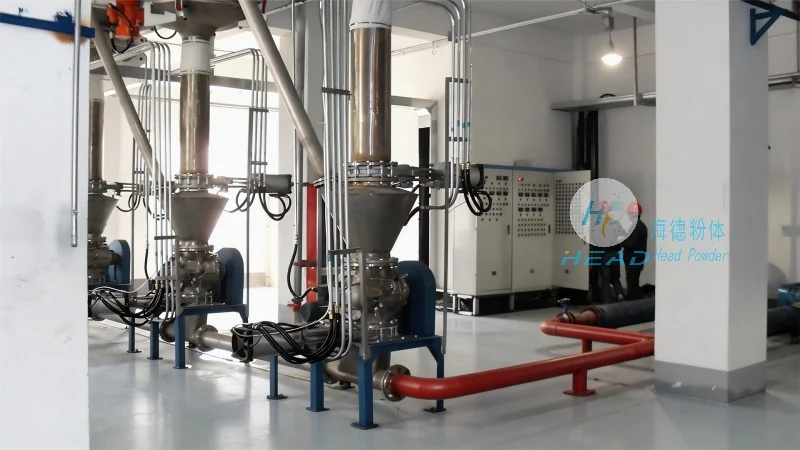
Key Components of Phosphate Powder Conveying Systems
The phosphate powder conveying system typically consists of several core components that work in tandem to ensure reliable material transport. These components include hoppers, feeders, conveyor belts or screw conveyors, control systems, and dust suppression mechanisms. Each component is designed to address specific challenges associated with handling phosphate powder, such as its fine particle size, potential for dust generation, and the need for consistent flow rates.
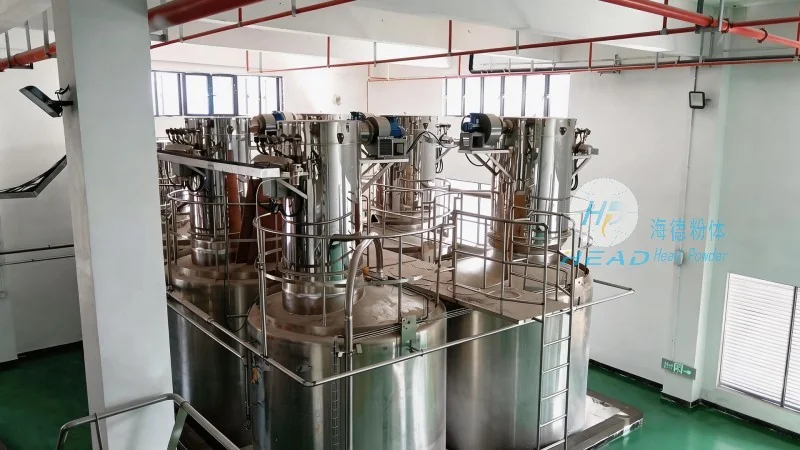
Operation Process of Phosphate Powder Conveying Equipment
The operation process of phosphate powder conveying equipment begins with the loading of raw phosphate powder into the hopper. The hopper is usually equipped with a feeding mechanism, such as a rotary valve or a vibratory feeder, which regulates the flow of material into the conveyor system. Once the material is fed into the conveyor, it is transported to the next processing stage. The conveyor may be a belt conveyor, a screw conveyor, or a pneumatic conveyor, depending on the specific application and material characteristics. The control system monitors the flow rate, pressure, and other parameters to ensure optimal operation. Dust suppression systems are also integrated to minimize dust emissions and maintain a safe working environment.
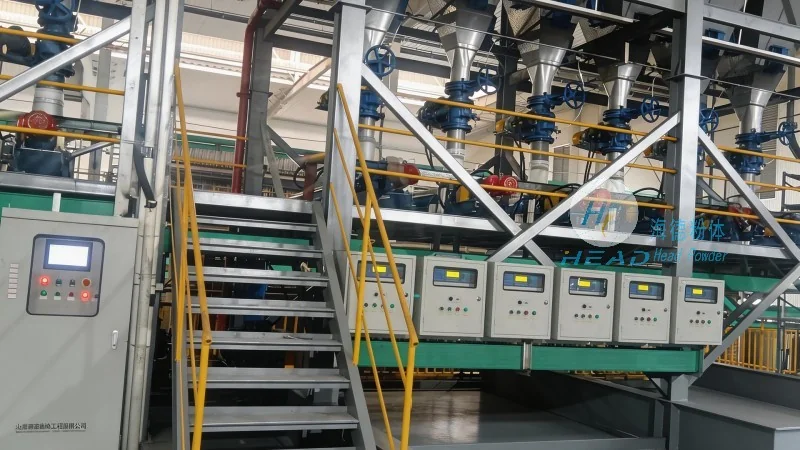
Working Principle of Phosphate Powder Conveying Equipment
The working principle of phosphate powder conveying equipment is based on the physical properties of the material and the mechanical design of the components. The hopper provides a storage and feeding function, ensuring a consistent supply of material. The feeder controls the flow rate by adjusting the speed or position of the feeding mechanism. The conveyor transports the material through a series of rollers or screws, maintaining a uniform flow. The control system uses sensors and feedback mechanisms to adjust the operation in real-time, ensuring that the system operates efficiently and safely. Dust suppression systems use filters or wetting agents to capture and remove dust particles, preventing contamination and improving air quality.
Benefits of Efficient Phosphate Powder Conveying Equipment
Efficient phosphate powder conveying equipment offers several benefits for industrial operations. It improves production efficiency by ensuring a continuous and consistent flow of material, reducing downtime and increasing throughput. It also enhances product quality by minimizing material degradation and contamination. Additionally, the dust suppression systems improve workplace safety by reducing the risk of respiratory issues and other health hazards associated with dust exposure. The equipment is designed to be durable and low-maintenance, reducing operational costs over time.
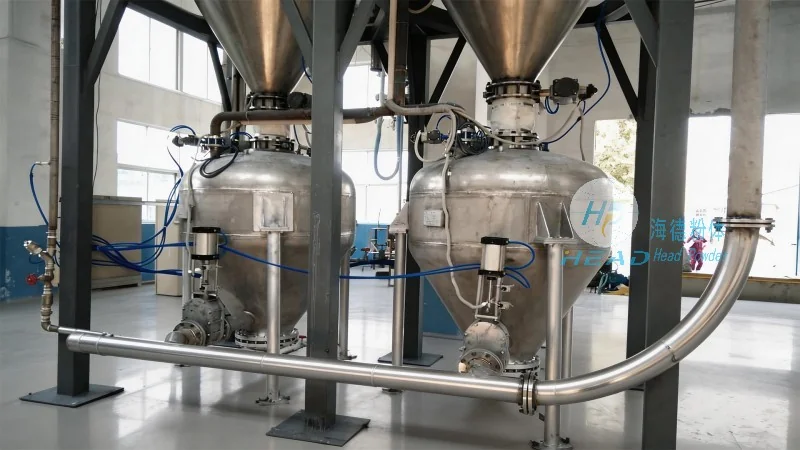
Application Scenarios and Customization
Phosphate powder conveying equipment is widely used in various industries, including fertilizer manufacturing, chemical processing, and food processing. The equipment can be customized to meet specific application requirements, such as different material types, flow rates, and environmental conditions. For example, in fertilizer production, the equipment may be integrated with other processing units to form a complete production line. In chemical processing, the equipment may be used to transport raw materials to reactors or storage tanks. The customization options allow for flexible and adaptable solutions that can be tailored to the specific needs of each operation.