

Operation Process and Working Principle of Xiaomi Material Conveying Lines
Material conveying lines are essential in modern manufacturing and logistics, enabling the efficient movement of goods from one point to another. For companies like Shandong HeadPowder Engineering Co., Ltd. (commonly known as HeadPowder), which specializes in the design and implementation of such systems, understanding the operation process and working principle is crucial for optimizing production efficiency and ensuring smooth workflow. This article provides a detailed overview of how Xiaomi material conveying lines operate, highlighting key components, the step-by-step process, and the underlying principles that drive their functionality.
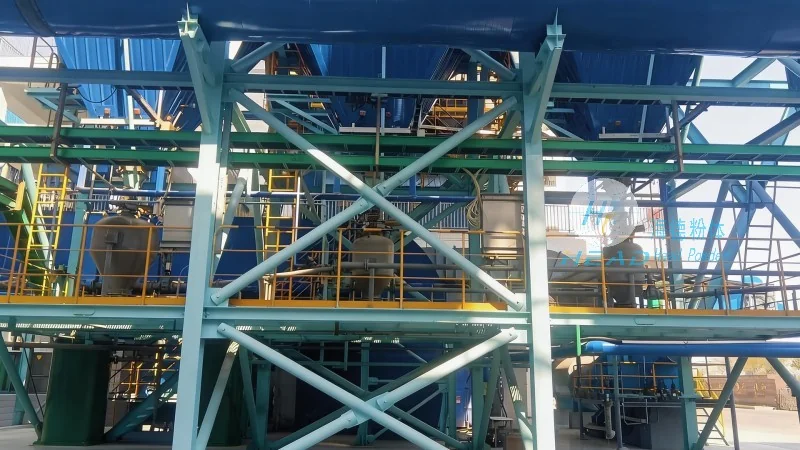
Introduction to Material Conveying Lines
Material conveying lines, also known as material handling systems, are automated or semi-automated systems designed to transport materials, products, or components within a facility. These systems are widely used in various industries, including manufacturing, warehousing, and distribution, to streamline operations and reduce manual labor. The core of any material conveying line is its ability to move items with precision and reliability, ensuring that products move from raw material storage to processing, assembly, and final packaging stages without interruption. For Shandong HeadPowder Engineering Co., Ltd., expertise in designing and installing these systems has helped numerous clients enhance their operational capabilities and achieve higher productivity.
Key Components of a Material Conveying Line
Before delving into the operation process, it is essential to understand the primary components that make up a material conveying line. These components work in tandem to ensure the smooth movement of materials. The main components include:
1. Conveyors: The backbone of the system, conveyors are devices that transport materials through a continuous path. Common types include belt conveyors, chain conveyors, and roller conveyors, each suited for different material types and operational requirements. For Xiaomi material conveying lines, the choice of conveyor type depends on factors such as the weight, size, and shape of the items being transported.
2. Loaders and Unloaders: These components are responsible for loading and unloading materials onto and off the conveyors. Loaders can be automated, using sensors or robotic arms, to pick up items from a storage area and place them on the conveyor. Unloaders, on the other hand, remove items from the conveyor and transfer them to the next stage of the production process or storage.
3. Control Systems: Modern material conveying lines are equipped with advanced control systems that monitor and regulate the operation of the entire system. These systems use sensors, programmable logic controllers (PLCs), and software to ensure that the conveyors run at the correct speed, that items are properly aligned, and that any errors or malfunctions are detected and addressed promptly. The control system is a critical component for maintaining the efficiency and reliability of the material conveying line.
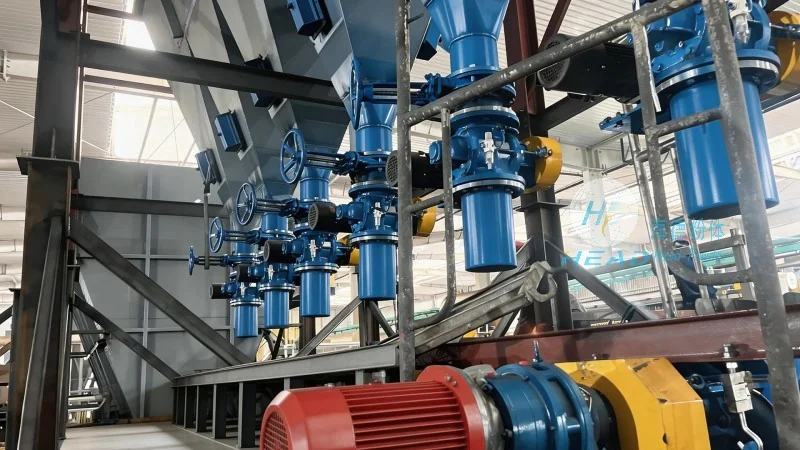
4. Storage and Buffering Systems: To handle fluctuations in production demand or to buffer between different stages of the production process, material conveying lines often include storage and buffering systems. These can be in the form of automated storage and retrieval systems (AS/RS) or simple buffer bins. The buffering system ensures that the production line does not stall due to a lack of materials or an excess of finished products.
The Step-by-Step Operation Process of Xiaomi Material Conveying Lines
The operation of a Xiaomi material conveying line involves a series of coordinated steps that ensure the seamless movement of materials from the initial stage to the final output. The process typically begins with the raw materials being loaded into the system and proceeds through the following stages:
1. Raw Material Loading: The first step in the operation process is the loading of raw materials into the system. This can be done manually or automatically, depending on the system design. For automated systems, sensors detect the presence of raw materials and trigger the loading mechanism to pick them up and place them on the conveyor.
2. Conveyor Transport: Once loaded, the materials are transported along the conveyor system. The speed of the conveyor is controlled by the system's control unit, which adjusts it based on the type of material and the distance to be covered. The conveyor may include curves, inclines, or declines to navigate changes in the facility layout.
3. Processing and Inspection: As the materials move along the conveyor, they may pass through processing stations where they are subjected to operations such as sorting, cleaning, or assembly. Inspection stations are also integrated into the line to check for defects or quality issues. Any items that fail inspection are diverted to a separate path for rework or disposal.
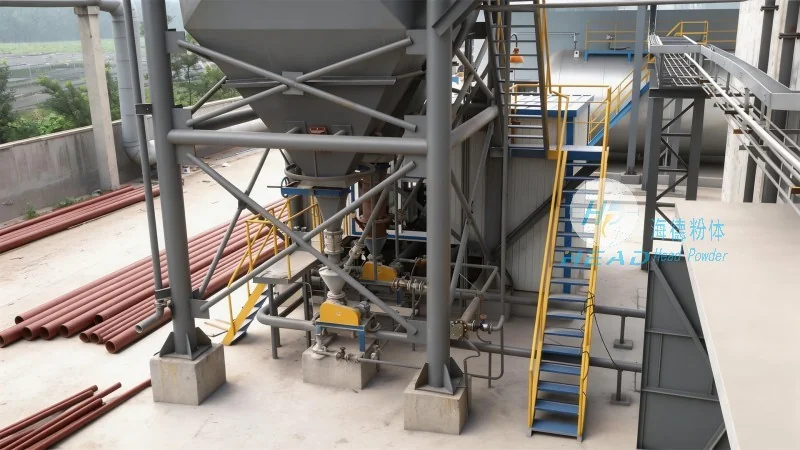
4. Packaging and Storage: After processing and inspection, the materials are moved to the packaging or storage area. The system may include automated packaging machines that wrap or package the items according to specifications. The packaged products are then stored in the warehouse or prepared for shipment.
5. End-of-Line Handling: The final step in the operation process is the handling of the finished products. This may involve sorting, labeling, or loading the products onto pallets or containers for transport. The system's control unit ensures that the end-of-line handling is coordinated with the rest of the production process to avoid bottlenecks.
Working Principle of Material Conveying Lines
The working principle of a material conveying line is based on the continuous movement of materials along a defined path. The system operates by converting energy (such as electricity or mechanical power) into motion, which is then transferred to the conveyor components. The key principles that govern the operation of these systems include:
1. Continuous Flow: The primary principle is the continuous flow of materials. Unlike manual handling, which involves stopping and starting, the conveying line operates continuously, ensuring that materials are always in motion. This continuous flow minimizes downtime and maximizes production efficiency.
2. Modularity and Flexibility: Modern material conveying lines are designed to be modular and flexible, allowing them to be adapted to changing production needs. The system can be expanded or reconfigured to accommodate new products or increased production volumes. This flexibility is crucial for companies that need to adapt to market changes or seasonal demand fluctuations.
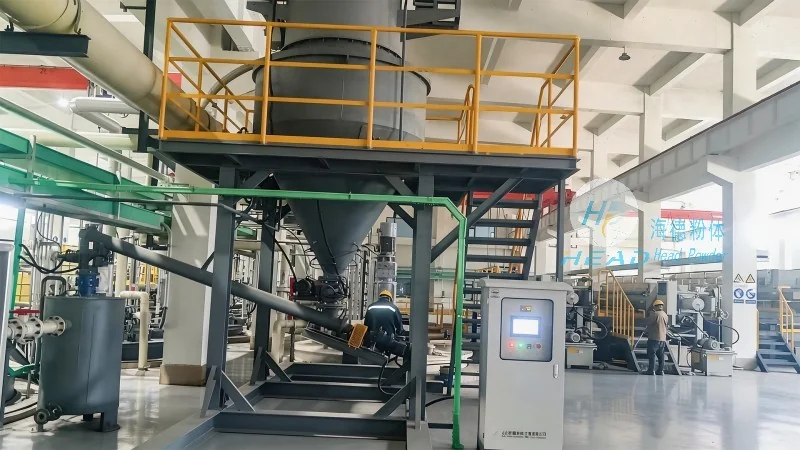
3. Automation and Control: The working principle also involves the use of automation and control systems to ensure that the conveying line operates efficiently and reliably. Sensors and control units monitor the system's performance and make adjustments as needed. This automation reduces the need for manual intervention and minimizes the risk of human error.
4. Integration with Other Systems: Material conveying lines are often integrated with other systems, such as inventory management, production planning, and quality control. This integration allows for real-time tracking of materials and ensures that the production process is aligned with overall business objectives. For Shandong HeadPowder Engineering Co., Ltd., this integration is a key part of their design philosophy, as it helps clients achieve end-to-end visibility and control over their operations.
Benefits of Using Xiaomi Material Conveying Lines
Implementing a material conveying line offers numerous benefits for companies, particularly those in manufacturing and logistics. The key benefits include:
1. Increased Efficiency and Productivity: By automating the movement of materials, companies can reduce the time and labor required for material handling. This leads to higher production output and faster turnaround times. For example, a well-designed material conveying line can increase the throughput of a production line by 30-50% compared to manual handling.
2. Improved Accuracy and Quality: Automated systems reduce the risk of human error, ensuring that materials are handled and processed correctly. This leads to higher product quality and fewer defects. The use of sensors and inspection stations also allows for real-time quality monitoring, enabling immediate corrective action if any issues are detected.