

Operation Process and Working Principle of Pharmaceutical Material Conveying Lines
Pharmaceutical material conveying lines are critical components in modern pharmaceutical manufacturing facilities, designed to ensure the efficient and safe transportation of raw materials, intermediates, and finished products throughout the production cycle. The operation of these systems is governed by a combination of mechanical, electrical, and control systems, all working in tandem to maintain compliance with stringent industry standards such as GMP (Good Manufacturing Practice).
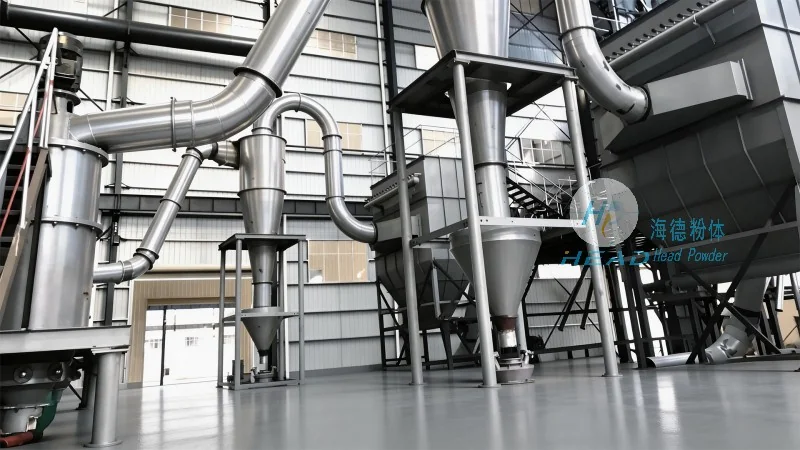
Overview of Pharmaceutical Material Conveying Lines
Pharmaceutical material conveying lines typically consist of a series of interconnected equipment, including feeders, conveyors, storage units, and sorting mechanisms. These components are integrated into a single system to facilitate the seamless flow of materials from receiving and storage to processing and packaging. The design of these lines is tailored to meet the specific needs of pharmaceutical production, emphasizing factors like hygiene, contamination control, and scalability.
Key Components and Their Functions
The core components of a pharmaceutical material conveying line include:
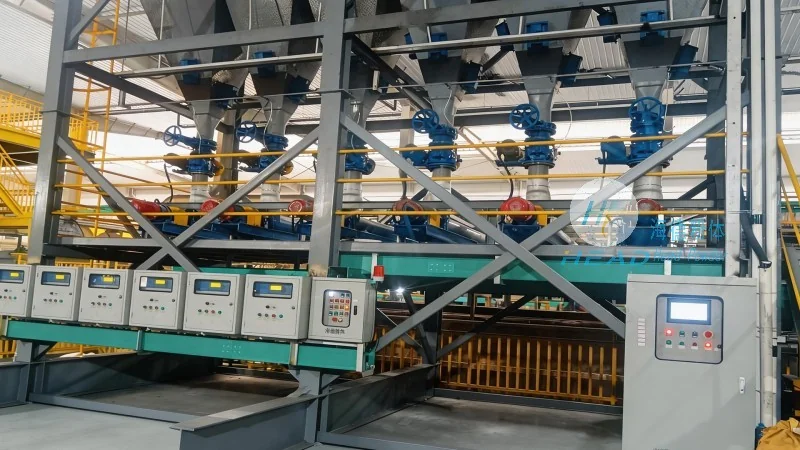
- Feeders: These devices are responsible for accurately metering and feeding raw materials into the conveyor system. Common types include vibratory feeders, screw feeders, and belt feeders, each chosen based on the material's properties (e.g., bulk density, flowability) and the required feeding rate.
- Conveyors: Conveyors are the primary means of transporting materials through the line. They can be categorized into various types, such as belt conveyors, chain conveyors, and pneumatic conveyors. In pharmaceutical applications, conveyor systems are often equipped with stainless steel construction, smooth surfaces, and easy-to-clean designs to prevent product contamination and ensure compliance with GMP regulations.
- Storage Units: Storage silos or hoppers are used to temporarily hold raw materials before they are fed into the processing line. These units are typically made of stainless steel and may include features like level sensors and agitators to maintain material flow and prevent clogging.
- Sorting and Inspection Systems: Modern pharmaceutical conveying lines often incorporate sorting and inspection mechanisms to ensure product quality. This may include optical sorters, metal detectors, and barcode scanners, which help identify and remove defective or contaminated items before they proceed to the next stage of production.
- Control Systems: The entire conveying line is managed by a centralized control system, often based on programmable logic controllers (PLCs) or industrial computers. These systems allow operators to monitor the status of each component, adjust parameters (e.g., conveyor speed, feeding rate), and generate real-time data for process optimization and quality control.
Operation Process of Pharmaceutical Material Conveying Lines
The operation of a pharmaceutical material conveying line typically follows a sequential process, starting with the receipt and storage of raw materials and ending with the delivery of finished products to packaging units. The key steps in this process are as follows:
- Material Receiving and Inspection: Raw materials are received from suppliers and inspected for quality and compliance with specifications. This step may involve visual checks, weight verification, and sampling for laboratory analysis.
- Storage and Pre-Processing: After inspection, raw materials are transferred to storage silos or hoppers. If necessary, pre-processing steps such as blending, drying, or sieving are performed to prepare the materials for the next stage.
- Feeding and Conveying: The pre-processed materials are fed into the conveyor system via feeders. The conveyor transports the materials through the production line, passing through various processing stations (e.g., mixing, filling, packaging).
- Processing and Packaging: As the materials move through the line, they undergo processing steps such as mixing, filling, or encapsulation. The final stage involves packaging the finished products into containers, which are then labeled and prepared for distribution.
- Quality Control and Documentation: Throughout the operation, quality control measures are implemented to ensure product consistency and compliance with regulatory requirements. This includes in-line inspection, batch record generation, and traceability of materials from receipt to final product.
Working Principle of Pharmaceutical Material Conveying Lines
The working principle of pharmaceutical material conveying lines is based on the continuous flow of materials through a series of interconnected components, driven by mechanical, pneumatic, or hydraulic forces. The system operates by converting the energy from the driving mechanism (e.g., electric motor, air compressor) into motion, which is then transferred to the conveyor elements (e.g., belts, chains) to move the materials along the designated path.
Key aspects of the working principle include:
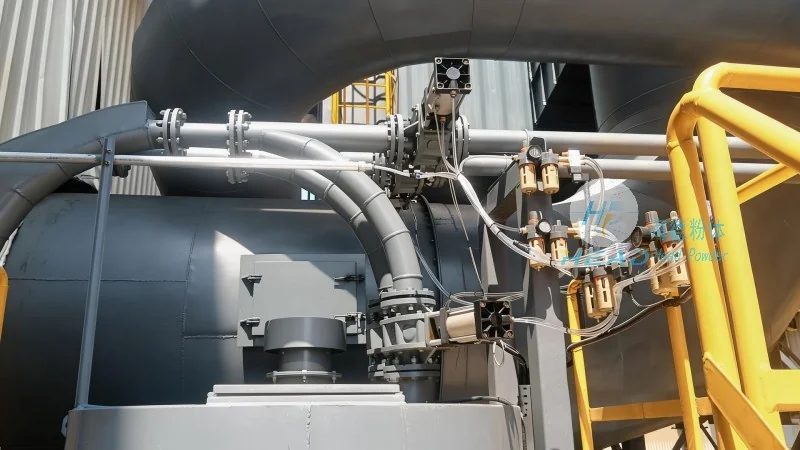
- Mechanical Drive: Most pharmaceutical conveying lines use electric motors as the primary power source. These motors drive gearboxes or direct-drive systems that rotate the conveyor rollers or belts, providing the necessary force to move the materials. The speed of the conveyor can be adjusted to control the flow rate of materials, ensuring optimal processing conditions.
- Pneumatic Conveying: In some applications, especially for powders and granules, pneumatic conveying systems are used. These systems utilize compressed air to transport materials through a pipeline, combining the conveying and feeding functions into a single unit. Pneumatic conveyors are often preferred for their ability to handle fine powders and minimize product contamination.
- Control and Automation: The entire system is controlled by a programmable logic controller (PLC) or a distributed control system (DCS). The control system monitors the status of each component, detects faults or deviations, and adjusts the operation parameters in real-time. This automation ensures consistent performance, reduces human error, and enhances overall efficiency.
- Hygiene and Sanitation: The working principle also emphasizes the importance of maintaining a clean and sanitary environment. Conveyor components are designed with smooth surfaces and easy-to-clean materials, and the system may include cleaning-in-place (CIP) features to ensure thorough sanitation between batches.
Benefits of Pharmaceutical Material Conveying Lines
The implementation of pharmaceutical material conveying lines offers several advantages in pharmaceutical manufacturing, including:
- Increased Efficiency and Productivity: Automated conveying systems reduce the need for manual handling, minimizing labor costs and increasing production throughput. The continuous flow of materials ensures that processing stations are always fed with the required quantities, preventing bottlenecks and downtime.
- Improved Product Quality and Consistency: By integrating quality control and inspection systems into the conveying line, manufacturers can ensure that only high-quality materials proceed to the next stage. This reduces the risk of defects and improves overall product consistency.
- Enhanced Safety and Compliance: Pharmaceutical conveying lines are designed to meet stringent safety and regulatory standards. Features such as enclosed conveyor systems, interlocked access points, and emergency stop buttons help prevent accidents and ensure compliance with GMP regulations.
- Scalability and Flexibility: Modern conveying systems are designed to be scalable, allowing manufacturers to expand their production capacity as demand increases. The modular design of these systems enables easy integration of new components or modifications to accommodate changing production requirements.
Conclusion
Pharmaceutical material conveying lines are essential for the efficient and safe operation of pharmaceutical manufacturing facilities. By integrating advanced mechanical, electrical, and control technologies, these systems ensure the seamless flow of materials from raw input to finished product, while maintaining compliance with industry standards. The continuous improvement in conveyor technology, driven by advancements in automation and material handling, continues to enhance the performance and reliability of pharmaceutical production lines.