

Operation Process and Working Principle of Rapeseed Material Conveying Lines
Rapeseed material conveying lines are critical infrastructure in the rapeseed processing industry, responsible for the efficient and safe transport of raw material from collection to subsequent processing stages. Understanding the operation process and working principle of these systems is essential for optimizing performance, minimizing operational costs, and preserving product quality throughout the handling cycle.
Introduction to Rapeseed Material Conveying Lines
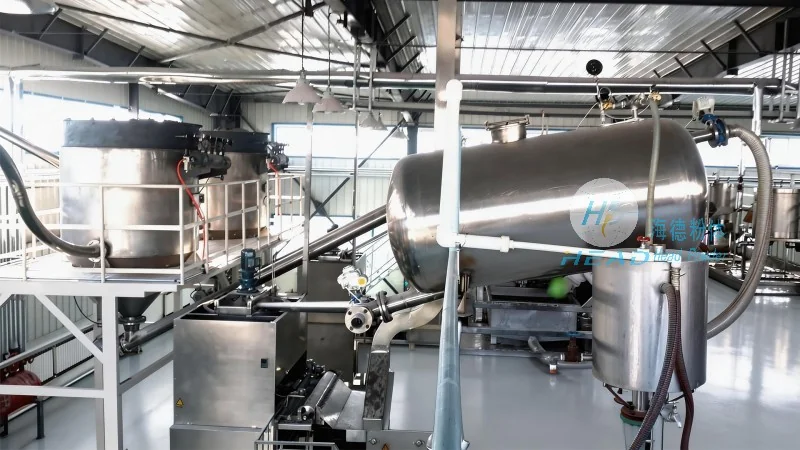
A rapeseed material conveying line is a system composed of interconnected components designed to move rapeseed from one location to another within a processing facility. These components typically include feeders, conveyors (such as belt, screw, or pneumatic types), hoppers, and control mechanisms. The system's design is tailored to the physical characteristics of rapeseed—including its size, moisture content, and bulk density—to ensure smooth material flow and prevent degradation or loss.
Key Components and Their Roles
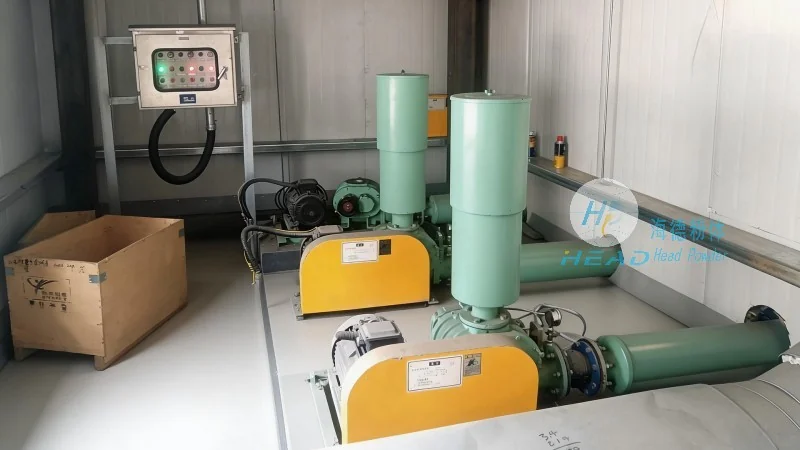
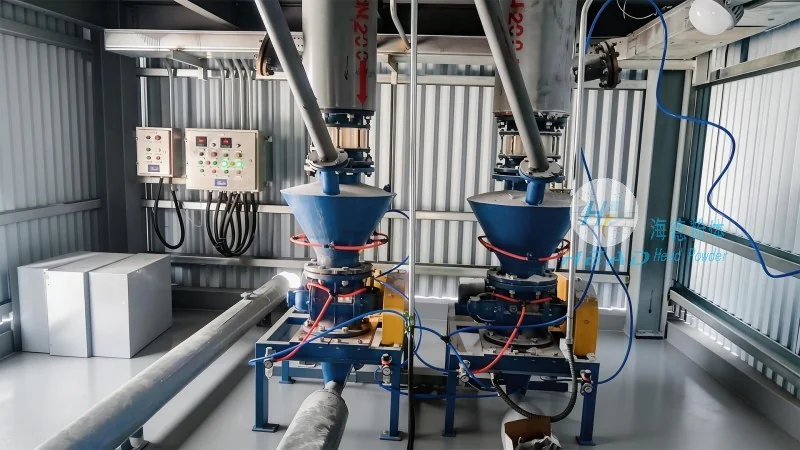
Each component in a rapeseed material conveying line serves a specific function to facilitate material transport. Feeders are used to evenly distribute rapeseed into the conveyor system, preventing overloading and ensuring consistent feed rates. Belt conveyors are commonly employed for horizontal or slight incline transport due to their ability to handle large volumes with minimal maintenance. Screw conveyors are ideal for vertical or inclined movement, offering a compact solution for elevating material between different levels. Pneumatic conveyors, which use air pressure to suspend and transport material in a sealed system, provide advantages in cleanliness and flexibility, particularly when dealing with fine or dusty rapeseed particles.
Operation Process Overview
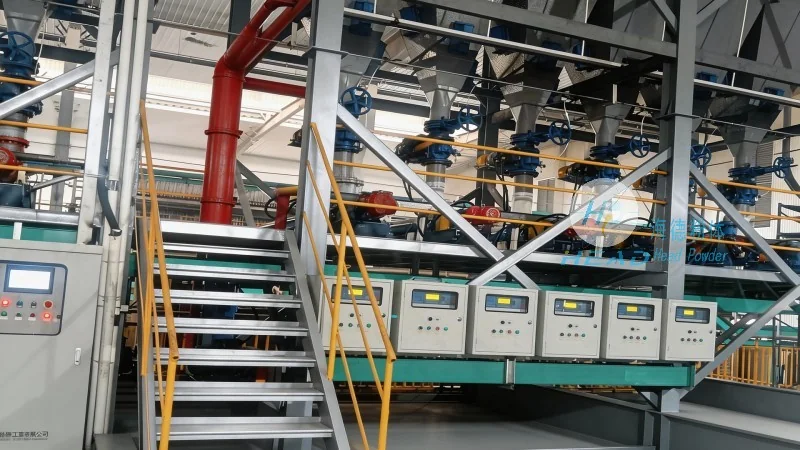
The operation process of a rapeseed material conveying line begins with the intake of raw rapeseed into a storage hopper or bin. The material is then transferred to the conveyor system via feeders, which regulate the flow rate to match the conveyor's capacity. The conveyor transports the rapeseed to the next processing stage—such as cleaning, drying, or grinding—where it may undergo additional processing or sorting before being conveyed to subsequent steps. A central control system monitors parameters like flow rate, pressure, and temperature, ensuring the system operates within safe and efficient parameters. This integrated approach minimizes downtime and maximizes throughput.
Working Principle Explained
The working principle of a rapeseed material conveying line is based on the mechanical or pneumatic movement of material from the intake to the discharge point. In mechanical systems (e.g., belt or screw conveyors), the material is moved by the rotation of a drive mechanism that pulls the conveyor belt or rotates the screw. Friction between the material and the conveyor surface provides the force to move the material forward. In pneumatic systems, the material is suspended in a stream of air and transported through a pipeline. Air pressure is controlled to maintain a consistent flow rate, and the system includes filters and cyclones to separate material from air at the discharge point.
Importance of Proper Design and Maintenance
Proper design and regular maintenance are critical to the long-term performance and reliability of rapeseed material conveying lines. The design must account for material characteristics, required throughput, and available space within the facility. Regular maintenance—such as cleaning conveyor belts, lubricating moving parts, and inspecting pneumatic components—prevents blockages and equipment failure. Monitoring system performance and making adjustments as needed optimizes efficiency and extends equipment lifespan.
About Shandong HeadPowder Engineering Co., Ltd.
Shandong HeadPowder Engineering Co., Ltd., a leading manufacturer of material handling equipment, specializes in designing, manufacturing, and installing rapeseed material conveying lines. With extensive industry experience and a commitment to quality, the company provides customized solutions tailored to client needs. HeadPowder's products are recognized for their durability, efficiency, and reliability, suitable for diverse industrial applications. The company's engineering team collaborates closely with clients to understand requirements and develop solutions that meet operational and budgetary constraints. Advanced manufacturing facilities and rigorous quality control ensure each product meets high performance and safety standards.
Conclusion
Rapeseed material conveying lines are indispensable for efficient rapeseed processing, and understanding their operation and working principles is key to optimizing performance and maintaining product quality. With proper design, regular maintenance, and high-quality equipment from manufacturers like Shandong HeadPowder Engineering Co., Ltd., these systems deliver reliable, cost-effective material transport solutions. Investing in well-engineered conveying lines enhances operational efficiency, reduces costs, and improves product quality, making them a vital component of modern rapeseed processing facilities.