

Operation Process and Working Principle of Polyethylene Powder Material Pneumatic Conveying
For industrial applications involving the handling of polyethylene powder, efficient and reliable material transport is crucial. Pneumatic conveying systems offer a sophisticated solution to move polyethylene powder from one location to another, ensuring minimal product degradation and optimal operational efficiency. This article explores the operation process and working principles of such systems, highlighting the key components and mechanisms that enable effective polyethylene powder material handling.
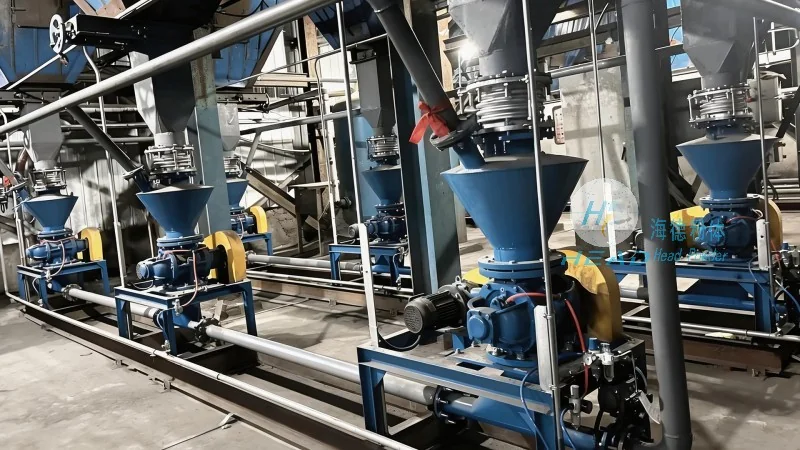
Understanding Pneumatic Conveying for Polyethylene Powder
Pneumatic conveying systems utilize air or gas as the medium to transport solid materials like polyethylene powder. These systems are widely used in industries such as plastics manufacturing, chemical processing, and food processing due to their ability to handle fine powders without the need for mechanical components that might cause contamination or product damage. The core principle involves creating a pressure differential to move the powder through a pipeline, ensuring a continuous and controlled flow.
Key Components of Polyethylene Powder Pneumatic Conveying Systems
The effectiveness of a pneumatic conveying system for polyethylene powder depends on several critical components. These include the material feed hopper, which holds the polyethylene powder and regulates the flow into the system; the air or gas source, typically a blower or compressor, which provides the necessary pressure to move the powder; the conveying pipeline, which transports the powder from the feed point to the discharge point; and the receiver or discharge hopper, where the polyethylene powder is collected. Additionally, control valves and filters may be integrated to manage pressure, prevent dust emissions, and maintain system cleanliness.
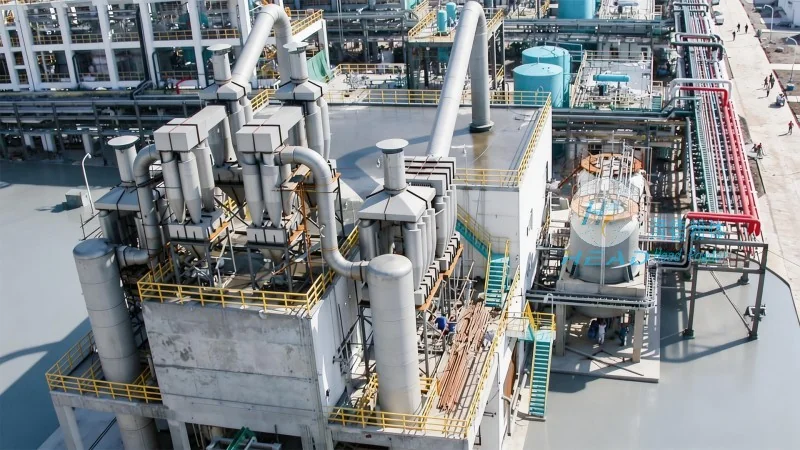
The Operation Process of Polyethylene Powder Pneumatic Conveying
The operation process of a polyethylene powder pneumatic conveying system involves several sequential steps. Initially, the polyethylene powder is loaded into the feed hopper. The system then activates the air source, which generates a flow of air or gas through the pipeline. As the air flows, it creates a low-pressure zone at the feed point, drawing the polyethylene powder into the pipeline. The powder is then carried along by the moving air, forming a slurry or suspension that travels through the pipeline to the discharge point. At the receiving end, the air is separated from the powder, often using a cyclone or filter, and the polyethylene powder is collected in the discharge hopper. The system may also include a venting or pressure relief mechanism to maintain safe operating conditions.
Working Principles of Pneumatic Conveying for Polyethylene Powder
The working principles of a pneumatic conveying system for polyethylene powder are based on fluid dynamics and particle movement. The system operates on the principle of creating a pressure differential between the feed and discharge points. The air or gas flow generates a velocity sufficient to overcome the gravitational and frictional forces acting on the polyethylene powder particles. This velocity ensures that the powder particles are suspended in the air stream, allowing them to be transported efficiently. The choice of conveying method—such as dilute-phase or dense-phase—depends on factors like the powder's properties, the required distance, and the desired flow rate. Dilute-phase systems use higher air velocities to transport the powder in a more dispersed state, while dense-phase systems use lower velocities to move the powder in a more compact form, reducing the risk of particle degradation.
Benefits of Using Pneumatic Conveying for Polyethylene Powder Handling
Implementing a pneumatic conveying system for polyethylene powder offers numerous benefits. Firstly, it minimizes product contamination by eliminating mechanical contact with the powder, which is particularly important for food-grade or pharmaceutical-grade polyethylene powders. Secondly, it reduces labor costs by automating the material transport process, as the system can operate continuously without the need for manual handling. Thirdly, it improves safety by containing dust emissions and preventing the buildup of static electricity, which can be a fire hazard in powder handling environments. Additionally, pneumatic conveying systems are flexible and can be easily integrated into existing production lines, allowing for adjustments in flow rates and transport distances as needed.
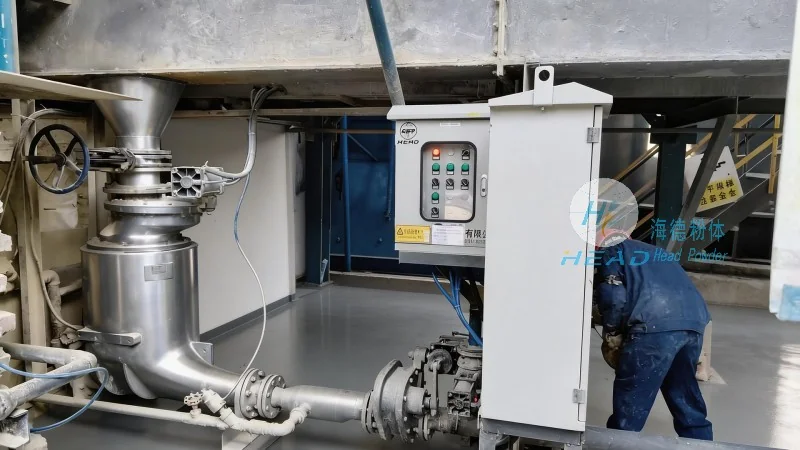
Applications and Considerations for Polyethylene Powder Pneumatic Conveying
Pneumatic conveying systems for polyethylene powder are used in a variety of applications, including bulk material storage and handling, product transfer between processing units, and packaging operations. When selecting a system, several factors must be considered, such as the particle size and density of the polyethylene powder, the distance to be covered, and the required flow rate. The system design must also account for the potential for dust accumulation and the need for regular maintenance to ensure optimal performance. Proper sizing of the air source and pipeline diameter is critical to achieving efficient transport without excessive energy consumption.
Conclusion and Company Overview
Pneumatic conveying systems represent an advanced and effective solution for the transport of polyethylene powder material. By understanding the operation process and working principles, industries can optimize their material handling processes, improve efficiency, and ensure product quality. Shandong HeadPowder Engineering Co., Ltd., a leading provider of pneumatic conveying solutions, specializes in designing and manufacturing systems tailored to the specific needs of polyethylene powder applications. With a focus on innovation and reliability, the company ensures that its systems meet the highest standards of performance and safety, supporting the efficient operation of industrial facilities across China and beyond.