

Operation Process and Working Principle of Pneumatic Conveying for Cellulose Fibre Glass Materials
For industries dealing with cellulose fibre glass materials, efficient material handling is crucial. Pneumatic conveying systems offer a reliable solution to transport these materials from one location to another with precision and minimal disruption. This article delves into the operation process and working principles of such systems, highlighting their effectiveness and the technical aspects that make them suitable for handling delicate or abrasive materials like cellulose fibre glass.
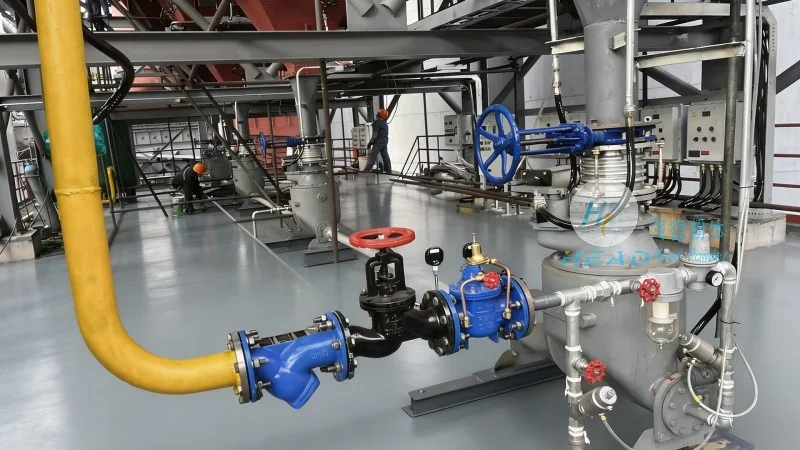
Understanding Pneumatic Conveying: Core Concepts
Pneumatic conveying, also known as air conveying, is a method of transporting bulk materials using a stream of pressurized or vacuum air. In the context of cellulose fibre glass materials, this technology ensures that the material is moved without direct contact with mechanical components, reducing the risk of contamination or damage. The system typically consists of a hopper, a conveyor line, and a receiver, all connected by a network of pipes. The air flow within the system can be either positive (pressure) or negative (vacuum), depending on the application requirements.
The Operation Process of Pneumatic Conveying
The operation process of a pneumatic conveying system for cellulose fibre glass materials involves several key steps. First, the material is fed into the hopper from a storage silo or container. The hopper is designed to ensure a consistent flow of material into the conveyor line. Next, the material is introduced into the conveying line, where it is carried by the air stream. The air velocity and pressure are carefully controlled to maintain the material in a suspended state, preventing blockages or segregation. The conveying line may include bends, expansions, or reductions, which are engineered to handle the material's characteristics without causing degradation. Finally, the material is discharged into the receiver, where it is collected for further processing or storage.
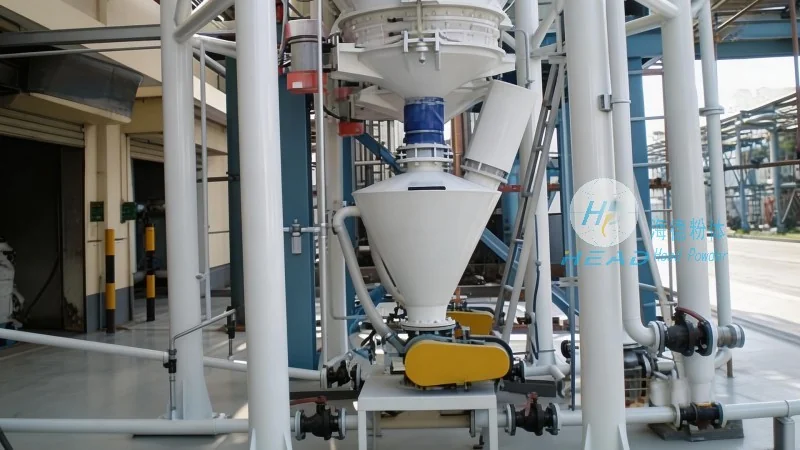
Working Principle: How It Works
The working principle of pneumatic conveying for cellulose fibre glass materials is based on the interaction between the material particles and the air stream. When the air is introduced into the conveying line at a sufficient velocity, it creates a drag force that lifts the material particles and keeps them suspended. The pressure differential between the hopper and the receiver drives the material forward. The system's design, including the size of the pipes, the air velocity, and the pressure, is optimized to ensure that the material is conveyed efficiently and without excessive energy consumption. For cellulose fibre glass, which may have varying particle sizes and densities, the system is tailored to maintain a stable flow and prevent material buildup or clogging.
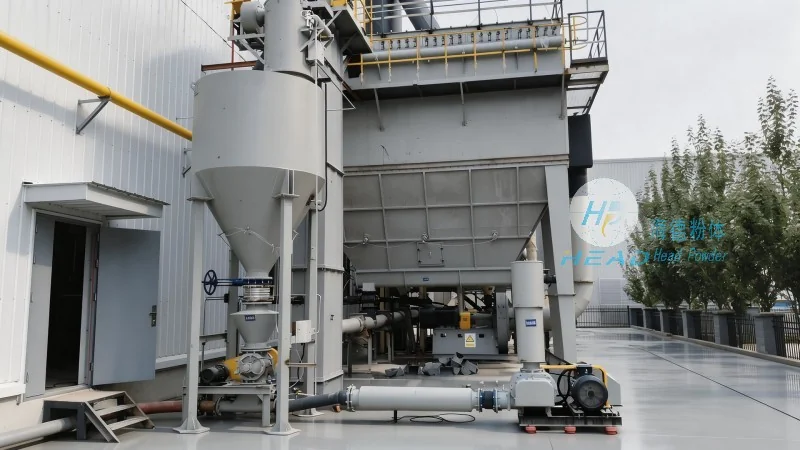
Applications and Benefits in Industrial Settings
Companies like Shandong HeadPowder Engineering Co., Ltd. utilize pneumatic conveying systems for cellulose fibre glass materials in various industrial applications. These systems are particularly beneficial in environments where traditional mechanical conveying methods may cause contamination or damage to the material. The benefits include reduced labor costs, increased safety due to enclosed systems, and improved material handling efficiency. The systems are also adaptable to different production scales, from small-scale laboratory applications to large-scale industrial operations.
Technical Considerations and Maintenance
When implementing a pneumatic conveying system for cellulose fibre glass materials, several technical considerations are essential. The selection of the appropriate air velocity and pressure is critical to ensure efficient conveying without excessive wear on the system components. The material's properties, such as particle size distribution, moisture content, and abrasiveness, must be considered to prevent system degradation. Regular maintenance, including cleaning of the conveying lines and inspection of air filters, is necessary to maintain system performance and longevity. Shandong HeadPowder Engineering Co., Ltd. provides comprehensive support, including system design, installation, and maintenance services, to ensure optimal operation of pneumatic conveying systems for cellulose fibre glass materials.