

Operation Process and Working Principle of Pneumatic Conveying for Polyethylene Resin Powder Materia
HeadPowder, a leading enterprise in the field of material handling solutions, specializes in the design, manufacturing, and installation of pneumatic conveying systems tailored for polyethylene resin powder applications. This article provides an in-depth exploration of the operational process and underlying principles of pneumatic conveying for polyethylene resin powders, highlighting the efficiency and reliability of such systems in industrial settings.
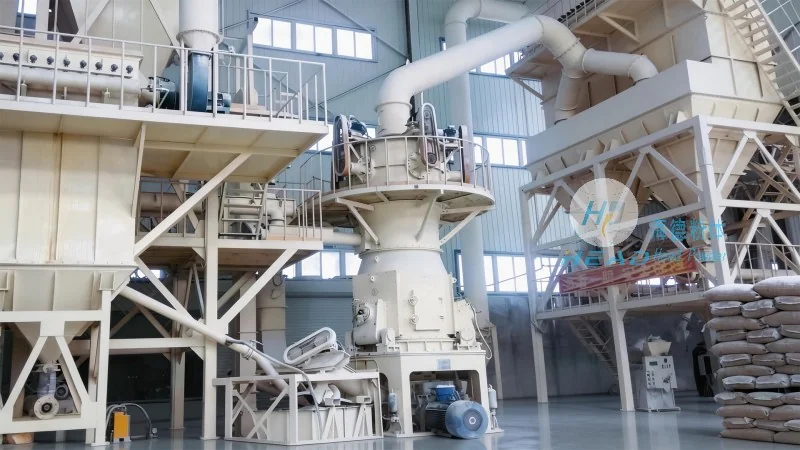
Understanding Pneumatic Conveying Systems for Polyethylene Resin Powders
Pneumatic conveying is a critical technology used to transport polyethylene resin powders from one location to another within industrial facilities. Unlike traditional mechanical conveyors, which rely on belts or chains, pneumatic systems utilize air or gas to move the material through a pipeline. This method offers several advantages, including the ability to handle fine powders without the risk of clogging or degradation, as well as the flexibility to transport materials over long distances with minimal maintenance.
The Working Principle of Pneumatic Conveying
The core of a pneumatic conveying system involves creating a pressure differential between the material source and the destination. In a typical system, a blower or compressor generates airflow that draws the polyethylene resin powder into the pipeline. The powder is then carried by the air stream, which can be either positive pressure (where air pushes the material) or negative pressure (where air pulls the material). The choice between these two modes depends on the specific application, material characteristics, and system layout. For polyethylene resin powders, positive pressure systems are often preferred due to their ability to handle higher material loads and longer distances efficiently.
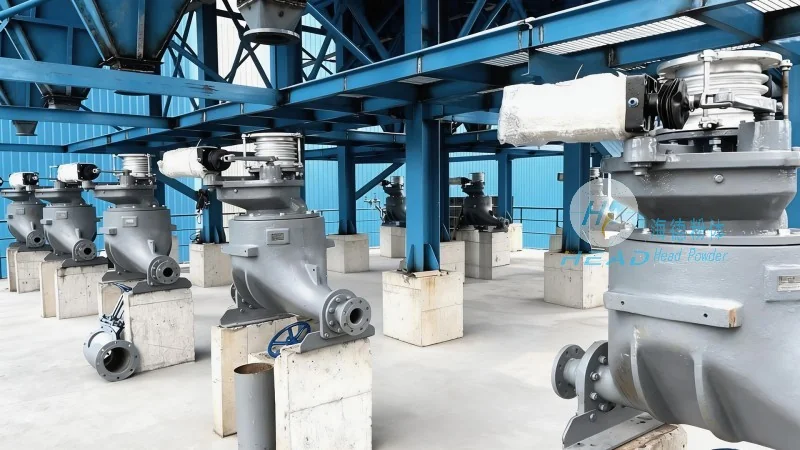
Key Components of a Pneumatic Conveying System
Several essential components work together to ensure the smooth operation of a pneumatic conveying system for polyethylene resin powders. These include the air source (blower or compressor), the material feed system (hopper or feeder), the conveying pipeline, and the discharge equipment. The air source provides the necessary airflow to move the material, while the feeder controls the rate at which the powder is introduced into the system. The pipeline, typically made of stainless steel or other corrosion-resistant materials, ensures the material is transported without contamination or degradation. The discharge equipment, such as a rotary valve or cyclone separator, collects the polyethylene resin powder at the destination and separates it from the air stream.
Operation Process of Pneumatic Conveying for Polyethylene Resin Powders
The operational process of a pneumatic conveying system for polyethylene resin powders involves several sequential steps. First, the polyethylene resin powder is stored in a hopper or silo. The feeder then regulates the flow of powder into the system, ensuring a consistent feed rate. The blower or compressor generates the required airflow, which is directed into the pipeline. As the air flows through the pipeline, it picks up the polyethylene resin powder, forming a slurry of air and material. The mixture travels through the pipeline to the destination, where it is discharged into a collection bin or processing unit. The air is then separated from the material using a cyclone separator or other filtration equipment, and the clean air is discharged back into the facility or vented to the atmosphere.
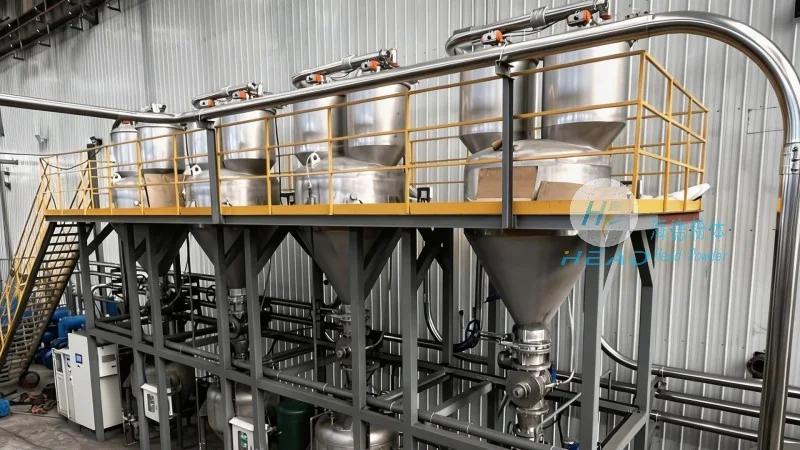
Advantages of Pneumatic Conveying for Polyethylene Resin Powders
Pneumatic conveying systems offer numerous benefits for the handling of polyethylene resin powders. These include the ability to transport materials in a closed system, which minimizes dust emissions and improves safety in the workplace. The systems are also highly flexible, allowing for changes in material flow rates or destinations without significant modifications. Additionally, pneumatic conveying can handle a wide range of particle sizes and moisture contents, making it suitable for various polyethylene resin applications. The low maintenance requirements and long service life of these systems further enhance their economic viability for industrial operations.
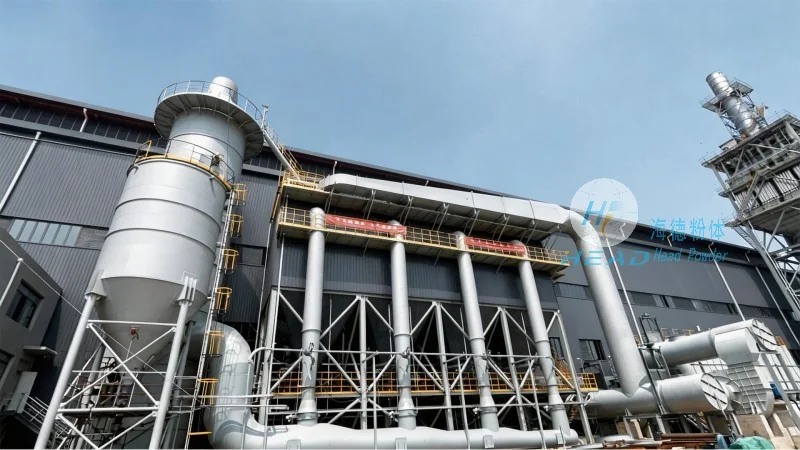
Applications in Industrial Settings
Pneumatic conveying systems are widely used in the plastics industry, particularly for polyethylene resin powders, due to their efficiency and reliability. These systems are commonly employed in manufacturing facilities to transport resin from storage to processing equipment, such as extruders or injection molding machines. They are also used in recycling plants to convey reclaimed polyethylene resin from sorting to reprocessing units. The ability to handle fine powders and maintain a clean environment makes pneumatic conveying an ideal solution for industries where product quality and safety are paramount.
Conclusion
HeadPowder Engineering Co., Ltd., based in Shandong, China, specializes in the design and implementation of advanced pneumatic conveying systems for polyethylene resin powders. By leveraging the principles of pneumatic conveying, these systems provide efficient, reliable, and safe material handling solutions for industrial applications. The operational process, which involves precise control of airflow and material feed, ensures optimal performance and minimal downtime. As a leading provider in the field, HeadPowder continues to innovate and improve its systems to meet the evolving needs of the plastics industry.