

Operation Process and Working Principle of Automatic Weighing and Material Pneumatic Conveying Syste
Headpowder, a leading engineering company based in Shandong, China, specializes in the design and manufacturing of advanced material handling systems. One of their flagship products is the automatic weighing and material pneumatic conveying system, which is widely used in various industrial applications for precise material handling and efficient production processes.
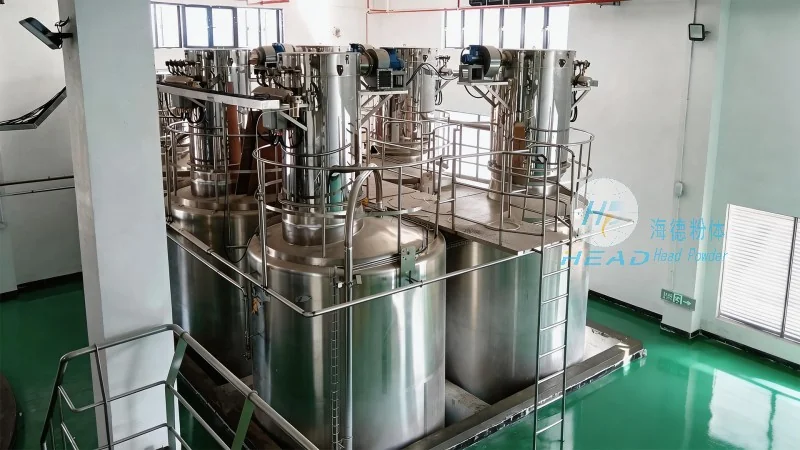
Overview of the System
The automatic weighing and material pneumatic conveying system is a sophisticated piece of equipment designed to automate the process of weighing, mixing, and transporting bulk materials. It integrates multiple components to ensure accurate measurement and reliable material transfer, making it an essential tool for industries such as pharmaceuticals, chemicals, food processing, and more. The system is engineered to meet stringent quality and safety standards, providing consistent performance and minimal downtime.
Key Components and Their Functions
The system consists of several critical components, each playing a vital role in the overall operation. The main components include the material hopper, which stores the bulk material; the weighing hopper or scale, equipped with high-precision load cells for accurate weight measurement; the pneumatic conveying unit, which uses compressed air to transport the material; the control panel, which manages the entire process through a user-friendly interface; and the discharge outlet, where the material is released after processing.
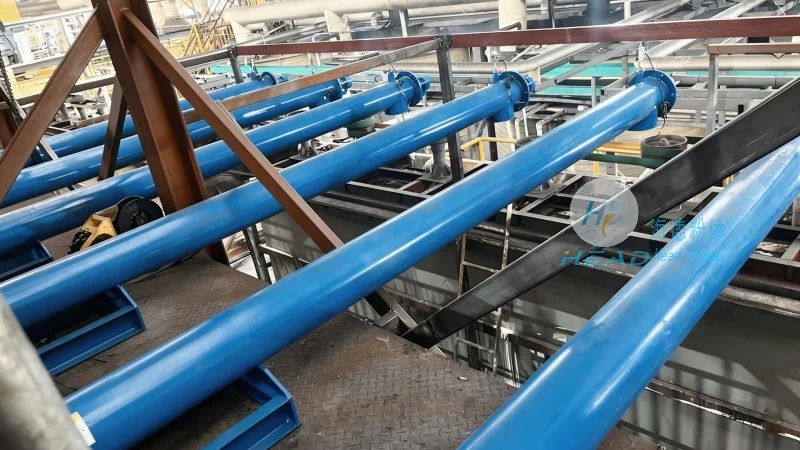
Operation Process
The operation of the automatic weighing and material pneumatic conveying system follows a systematic sequence to ensure precise material handling. The process typically begins with the material being fed into the material hopper from a bulk storage silo or hopper. The system then initiates the weighing cycle by closing the inlet valve and activating the load cells to measure the weight of the material in the weighing hopper. Once the desired weight is achieved, the control system signals the pneumatic conveying unit to start. Compressed air is introduced into the conveying line, creating a pressure differential that draws the material from the weighing hopper into the transport pipeline. The material is then transported to the discharge point, where it is released into the next stage of the production process. The system continuously monitors the weight and flow rate, adjusting the air pressure and material feed rate as needed to maintain accuracy and efficiency.
Working Principle
The working principle of the automatic weighing and material pneumatic conveying system is based on the principles of pneumatic transport and electronic weighing technology. Pneumatic conveying relies on the use of compressed air to move dry bulk materials through a pipeline. The system uses a positive pressure or negative pressure (or a combination of both) to create the necessary force to move the material. The positive pressure system, where air is blown into the pipeline, is commonly used for short to medium distances and is suitable for materials that are not too fine or abrasive. The negative pressure system, where air is drawn out of the pipeline, is often used for longer distances and is effective for fine powders. The weighing component uses load cells, which are sensors that convert the force of the material into an electrical signal. This signal is then processed by the control system to determine the weight of the material in the hopper. The control system compares the actual weight with the set target weight and adjusts the material feed rate accordingly to achieve the desired accuracy.
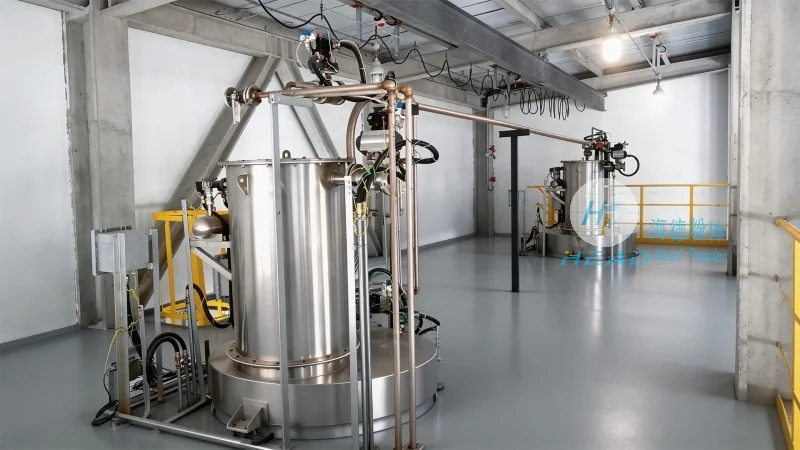
Technical Specifications and Advantages
Headpowder's automatic weighing and material pneumatic conveying system is designed with a range of technical specifications to meet the diverse needs of industrial applications. The system offers high accuracy in weighing, typically with a precision of ±0.1% or better, ensuring that the material is mixed and transported in the exact proportions required. The pneumatic conveying unit is capable of handling a wide range of materials, including powders, granules, and fine particles, with particle sizes ranging from a few microns to several millimeters. The system is also equipped with safety features such as overload protection, air pressure monitoring, and emergency stop buttons to ensure safe operation. The control panel provides real-time monitoring of all parameters, including weight, flow rate, and air pressure, allowing operators to quickly identify and resolve any issues. The system's advantages include increased production efficiency, reduced labor costs, improved product quality, and enhanced safety in the workplace.
About Headpowder Engineering
Headpowder Engineering Co., Ltd. is a professional engineering company headquartered in Shandong, China. With years of experience in the field of material handling and processing, the company has developed a strong reputation for delivering high-quality, reliable, and efficient solutions to its clients. Headpowder specializes in the design, manufacturing, and installation of custom material handling systems, tailored to meet the specific requirements of each project. The company's team of experienced engineers and technicians ensures that each system is designed to meet the highest standards of performance and safety. Headpowder's commitment to quality and customer satisfaction has made it a trusted partner for industries worldwide.