

Operation Process and Working Principle of Pneumatic Conveying Systems for Petrochemical Materials
For industries dealing with petrochemical materials, efficient and reliable material handling is crucial. Pneumatic conveying systems offer a sophisticated solution that integrates technology and engineering to ensure seamless material transport. This article delves into the operation process and working principle of such systems, highlighting their significance in modern industrial applications.
Introduction to Pneumatic Conveying Systems
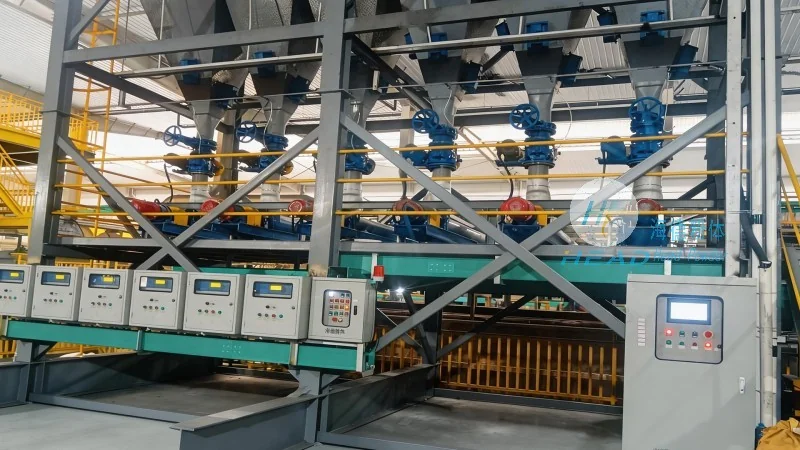
Pneumatic conveying systems are designed to transport bulk materials like powders, granules, and fine particles through a pipeline using air or other gases as the conveying medium. These systems are widely used in the petrochemical sector due to their ability to handle a variety of materials while maintaining low contamination and high efficiency. The technology has evolved significantly over the years, with advanced designs that enhance performance and reduce operational costs.
Key Components of a Pneumatic Conveying System
A typical pneumatic conveying system consists of several critical components that work in tandem to achieve effective material transport. These include the material feeder, which introduces the bulk material into the system; the air compressor or blower, which generates the necessary air pressure; the conveying line, which serves as the pipeline for material and air flow; the control valves and regulators, which manage the air pressure and flow rate; and the receiver or discharge unit, where the material is collected. Each component plays a vital role in ensuring the system operates smoothly and efficiently.
The Working Principle of Pneumatic Conveying
The core working principle of a pneumatic conveying system is based on the movement of material particles suspended in a gas stream. When air is introduced into the conveying line at a sufficient velocity, it creates a flow that lifts and transports the material particles. There are two main types of pneumatic conveying systems: dilute-phase and dense-phase. Dilute-phase systems operate at higher air velocities, typically transporting material in a dispersed state, while dense-phase systems use lower air velocities to transport material in a more concentrated form, often with a higher material-to-air ratio.
Operation Process of Pneumatic Conveying Systems
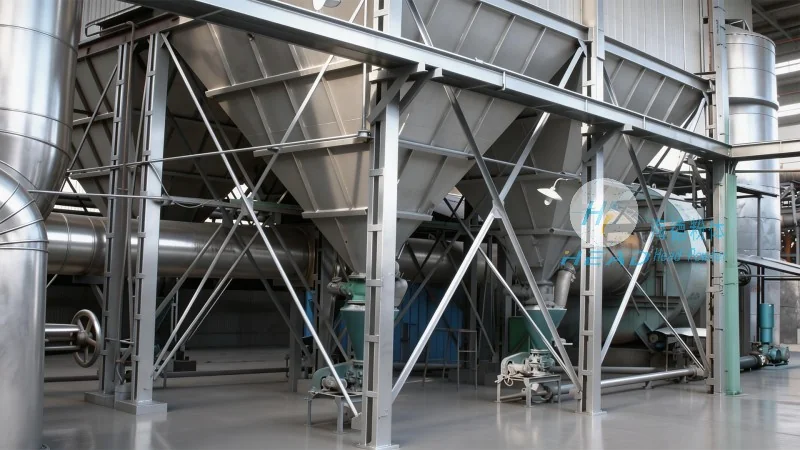
The operation process of a pneumatic conveying system involves several sequential steps. First, the bulk material is fed into the system via the material feeder. The feeder may be a screw feeder, rotary valve, or other type of device that controls the flow rate of the material. Next, the air compressor or blower supplies compressed air to the conveying line. The air pressure is regulated to ensure the material is adequately suspended and transported. As the material travels through the pipeline, it is carried by the air stream to the receiver or discharge point. The system may include intermediate pulse jets or other devices to maintain material flow and prevent blockages. Finally, the material is discharged from the system and collected in the receiver, completing the transport cycle.
Advantages of Pneumatic Conveying Systems in Petrochemical Applications
Pneumatic conveying systems offer several advantages that make them ideal for petrochemical material handling. These include minimal product contamination, as the system is enclosed and air is filtered to prevent external contamination. The systems also provide high material throughput and can handle a wide range of materials, from fine powders to larger granules. Additionally, pneumatic conveying systems are flexible in terms of layout, allowing for horizontal, vertical, or inclined transport, and can be integrated with existing industrial infrastructure. The technology also reduces labor costs and improves safety by eliminating manual handling of bulk materials.
Application Examples in the Petrochemical Industry
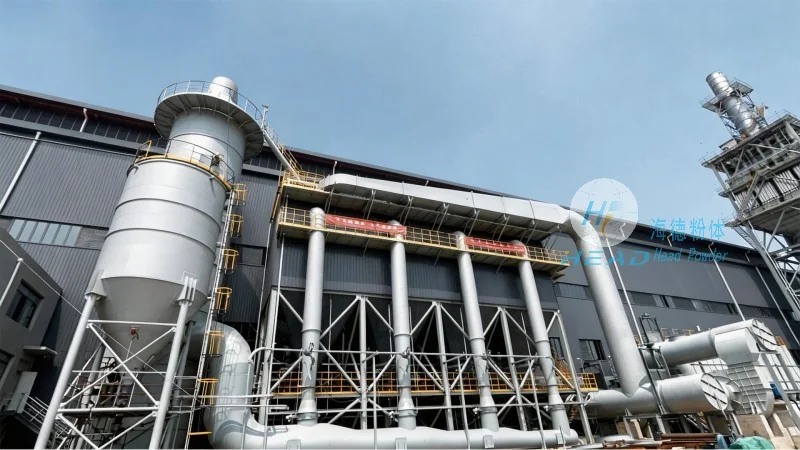
Pneumatic conveying systems are widely applied in various petrochemical processes. For instance, in the production of chemicals, powders like limestone, clay, or other raw materials are transported from storage silos to processing units. In petroleum refining, granular materials such as catalysts or additives are conveyed from storage to reactors. The systems are also used in the handling of hazardous materials, where enclosed transport minimizes exposure risks. The versatility of pneumatic conveying makes it suitable for a broad range of applications, from small-scale laboratory use to large-scale industrial operations.
Maintenance and Operational Considerations
To ensure the longevity and efficiency of pneumatic conveying systems, regular maintenance is essential. This includes checking air compressor performance, cleaning filters and conveying lines, and inspecting material feeders for wear and tear. Proper maintenance helps prevent system downtime and reduces the risk of material blockages or air leaks. Additionally, operators should monitor air pressure and flow rates to ensure optimal performance. By adhering to proper maintenance procedures, petrochemical facilities can maximize the operational life of their pneumatic conveying systems and maintain consistent material handling performance.
About Shandong HeadPowder Engineering Co., Ltd.
Shandong HeadPowder Engineering Co., Ltd., commonly known as HeadPowder, is a leading provider of pneumatic conveying systems and related engineering solutions for the petrochemical industry. With a strong focus on innovation and customer satisfaction, HeadPowder has established itself as a trusted partner in material handling technology. The company's expertise lies in designing and manufacturing customized pneumatic conveying systems that meet the specific needs of petrochemical facilities. HeadPowder's commitment to quality and reliability has earned it a reputation for delivering high-performance solutions that enhance operational efficiency and safety. Based in Shandong, China, HeadPowder leverages its local presence and industry knowledge to serve clients across the region and beyond.