

Operation Process and Working Principle of PTA Material Pneumatic Conveying System
PTA (Polyethylene Terephthalate Acids) is a critical raw material in the production of polyester fibers and resins. Efficient material handling is essential for maintaining production efficiency and minimizing operational costs in PTA processing facilities. Pneumatic conveying systems have emerged as a reliable solution for transporting PTA materials, offering advantages such as dust-free operation, reduced material degradation, and enhanced safety. This article explores the operation process and working principle of PTA material pneumatic conveying systems, highlighting the key components, step-by-step procedures, and benefits of this technology.
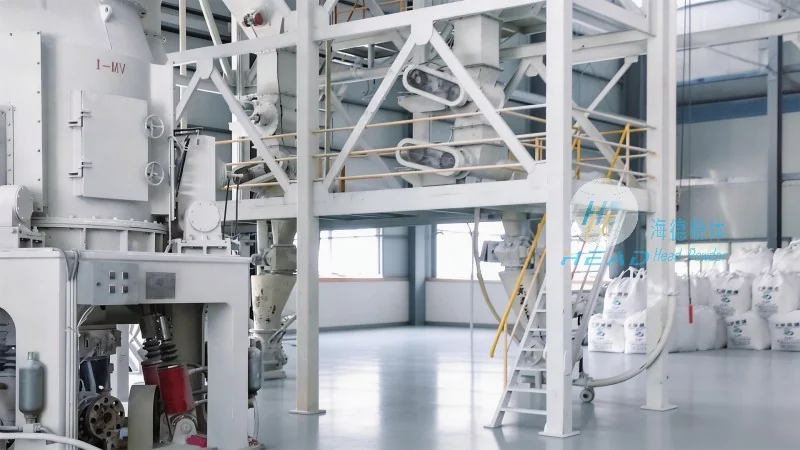
Introduction to PTA Material Pneumatic Conveying Systems
Pneumatic conveying systems are designed to transport bulk materials, including PTA, through the use of air or gas as the conveying medium. Unlike mechanical systems that rely on belts, screws, or buckets, pneumatic systems utilize pressure differentials to move materials through pipelines. This method is particularly suitable for PTA due to its fine particle size and sensitivity to moisture or contamination. The system typically consists of a hopper, feeder, air compressor, conveying lines, and a receiver, all working in tandem to ensure smooth material flow. Shandong HeadPowder Engineering Co., Ltd., a leading manufacturer in the field, specializes in designing and implementing such systems tailored to the specific needs of PTA processing plants.
Key Components of the System
The effectiveness of a PTA pneumatic conveying system depends on its well-designed components. Each part plays a crucial role in the overall operation. The primary components include:
1. Hopper: A storage vessel where PTA material is loaded before being fed into the system. It is equipped with a level indicator to monitor material levels and a discharge valve to control the flow rate.
2. Feeder: A device that regulates the flow of PTA from the hopper into the conveying line. Common types include rotary valves, star feeders, or screw feeders, which ensure a consistent and controlled feed rate.
3. Air Compressor: The heart of the system, the air compressor generates the necessary pressure to move the material. It can be a positive displacement or centrifugal type, depending on the system's capacity and pressure requirements.
4. Conveying Lines: High-quality stainless steel or plastic pipes that transport the PTA material mixed with air. The diameter and length of the lines are carefully selected to minimize pressure drop and ensure efficient transport.
5. Receiver: The final container where the PTA material is deposited after being conveyed. It is designed to handle the material's characteristics and prevent any spillage or contamination.
The Operation Process: From Material Loading to Discharge
The operation of a PTA pneumatic conveying system follows a systematic sequence, ensuring reliable and continuous material transport. The process can be broken down into the following stages:
1. Material Loading: PTA is loaded into the hopper from a bulk storage or production line. The hopper's level is monitored to prevent overfilling, which could lead to system inefficiencies or safety hazards.
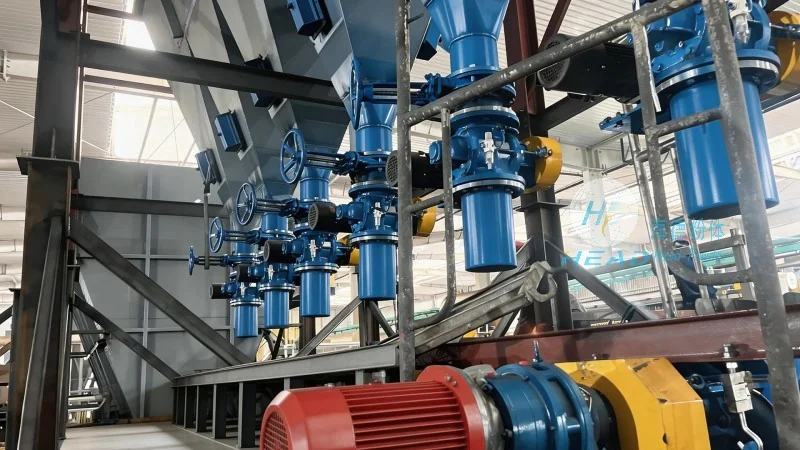
2. Feeding: The feeder regulates the flow of PTA from the hopper into the conveying line. The feed rate is adjusted based on the system's capacity and the required discharge rate at the receiver.
3. Air Compression: The air compressor generates the required pressure, typically ranging from 5 to 15 bar, depending on the system's design and the distance the material needs to travel.
4. Conveying: The compressed air, mixed with PTA particles, is introduced into the conveying line. The air pressure creates a flow that carries the material through the pipeline. The system may use either positive pressure (where air pushes the material) or negative pressure (where air pulls the material), with positive pressure being more common for PTA applications due to its efficiency and ability to handle longer distances.
5. Deposition: At the receiver end, the air and material mixture is separated. The air is typically filtered and recycled back to the compressor, while the PTA material is collected in the receiver. The receiver's design ensures that the material is discharged smoothly without any blockages or spillage.
Working Principle: How Air Pressure Drives Material Transport
The working principle of PTA pneumatic conveying systems is based on the fundamental physics of fluid dynamics and particle motion. The system operates by creating a pressure differential between the hopper and the receiver. When the air compressor supplies compressed air into the conveying line, it creates a high-pressure environment that forces the PTA particles to move along with the air stream. The key factors influencing the transport efficiency include:
1. Particle Size and Density: PTA particles are typically fine and dense, which affects how they interact with the air. Smaller particles require higher air velocities to maintain suspension and prevent settling.
2. Air Velocity: The velocity of the air must be sufficient to keep the PTA particles in suspension. If the velocity is too low, the particles may settle and cause blockages. Conversely, excessive velocity can lead to excessive wear on the system components and increased energy consumption.
3. Pressure Drop: The pressure drop along the conveying line is a critical parameter. It is influenced by the length of the line, the diameter of the pipes, and the number of bends or fittings. Proper system design minimizes pressure drop to ensure that the compressor can maintain the required pressure.
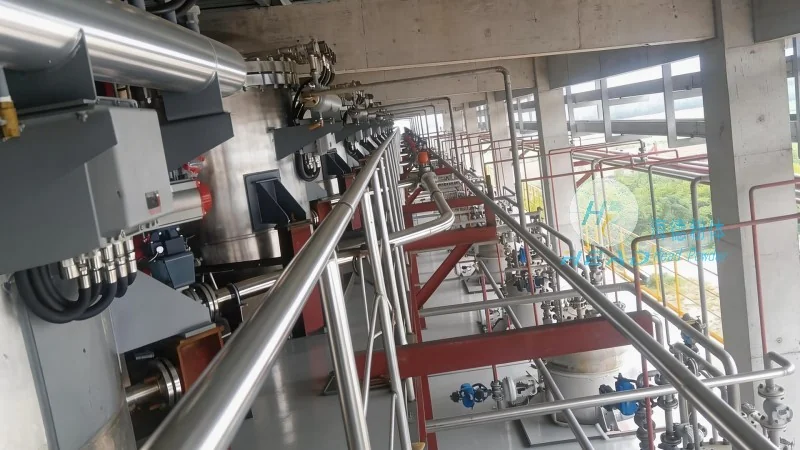
4. System Configuration: The choice between positive and negative pressure systems affects the working principle. Positive pressure systems are more common for PTA as they can handle longer distances and higher material loads, while negative pressure systems are often used for shorter distances or where dust control is a priority.
Advantages of Using PTA Pneumatic Conveying Systems
Implementing a pneumatic conveying system for PTA material handling offers several advantages over traditional mechanical systems. These benefits contribute to improved operational efficiency and cost savings in PTA processing facilities:
1. Dust-Free Operation: Unlike mechanical systems that may generate dust during material transfer, pneumatic systems keep the material enclosed, reducing dust emissions and improving workplace safety.
2. Reduced Material Degradation: The enclosed system prevents PTA particles from coming into contact with moisture or air, which can cause degradation or oxidation. This helps maintain the material's quality and purity.
3. Enhanced Safety: By eliminating the need for manual handling of PTA, the system reduces the risk of accidents and exposure to harmful particles. The enclosed design also minimizes the risk of fire or explosion in the event of a dust explosion.
4. Space Efficiency: Pneumatic conveying systems can be installed in tight spaces, as the conveying lines can be routed horizontally or vertically, optimizing the use of available floor space.
5. Flexibility: The system can be easily reconfigured or expanded to accommodate changes in production capacity or material flow requirements. This flexibility makes it suitable for both new and existing PTA processing plants.
Application Scenarios and Industry Impact
PTA pneumatic conveying systems are widely used in various industries, including petrochemical, textile, and packaging. In the petrochemical sector, they are integral to the production of polyester fibers and resins, where efficient material handling is critical to maintaining production rates. The systems are also used in the textile industry for transporting PTA to spinning machines and in the packaging industry for handling PTA pellets for resin production. The adoption of such systems has significantly improved the efficiency and safety of PTA processing facilities, contributing to the overall growth of the industry.
About Shandong HeadPowder Engineering Co., Ltd.
Shandong HeadPowder Engineering Co., Ltd., based in China, is a leading provider of pneumatic conveying systems and related engineering solutions. With years of experience in the industry, the company specializes in designing, manufacturing, and installing customized PTA material pneumatic conveying systems that meet the specific needs of its clients. The company's commitment to quality, innovation, and customer satisfaction has made it a trusted partner for many PTA processing facilities worldwide. HeadPowder's systems are known for their reliability, efficiency, and adherence to industry standards, ensuring that clients can achieve optimal performance and cost savings in their material handling operations.