

Operation Process and Working Principle of a Iron Powder Material Pneumatic Conveying System
Shandong HeadPowder Engineering Co., Ltd., a professional manufacturer based in Shandong, China, specializes in the design, development, and implementation of advanced pneumatic conveying systems tailored for iron powder and similar fine materials. The iron powder material pneumatic conveying system is a critical piece of industrial equipment that efficiently transports bulk materials through a pressurized or vacuum air stream, ensuring reliable and safe material handling in various production environments.
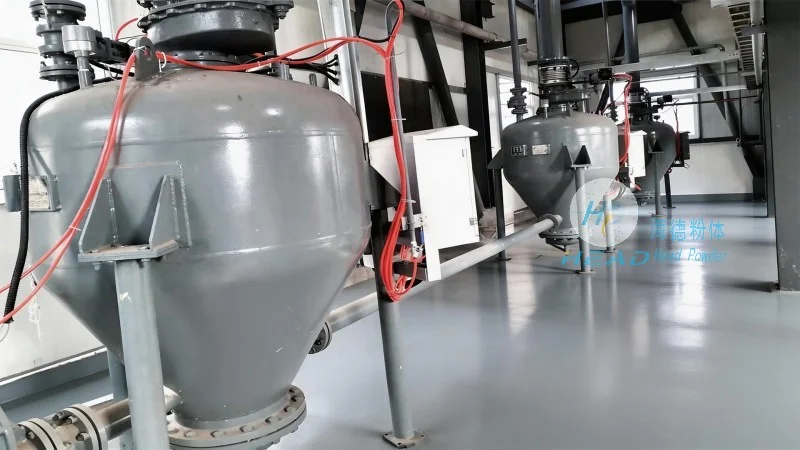
Core Components and Their Functions
The pneumatic conveying system for iron powder typically consists of several key components, each playing a vital role in the overall operation. The main components include the material hopper, which stores the iron powder; the feeder, responsible for controlling the material flow rate; the conveying pipeline, which transports the material; the air compressor or vacuum pump, which provides the necessary air pressure or vacuum; and the receiver, where the conveyed material is collected. Each component must be precisely designed and integrated to ensure optimal performance and minimal material loss.
Working Principle of the Pneumatic Conveying Process
The operation of the iron powder material pneumatic conveying system follows a systematic process. Initially, the iron powder is stored in the material hopper. The feeder then regulates the flow of the powder into the conveying pipeline. Simultaneously, the air compressor generates a high-pressure air stream that is introduced into the pipeline. As the air flows through the pipeline, it entrains the iron powder particles, forming a slurry-like mixture known as a "pneumatic conveying stream." This stream is then transported to the receiver, where the air and material are separated. The air is typically filtered and recycled, while the iron powder is collected in the receiver for further processing or use.
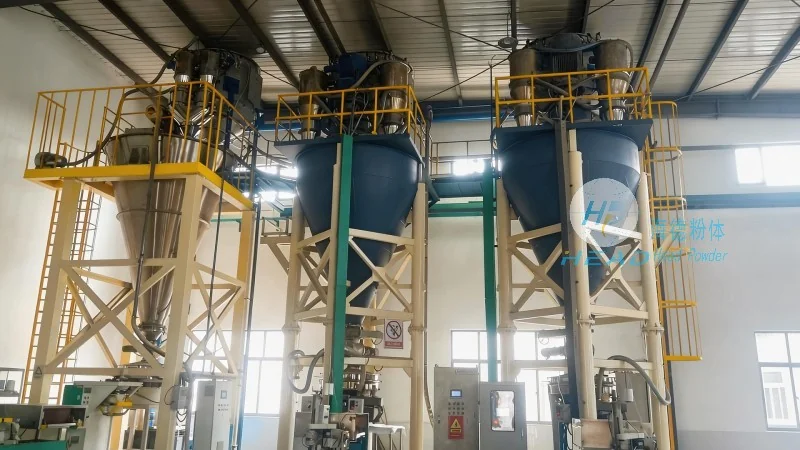
Operation Process: Step-by-Step Execution
The operation of the iron powder pneumatic conveying system involves several sequential steps that ensure smooth and continuous material transport. First, the system is prepared by checking the air compressor, ensuring it is functioning correctly and the pressure is within the specified range. Next, the material hopper is filled with iron powder, and the feeder is adjusted to the desired flow rate. The conveying pipeline is then pressurized, and the system is started. As the air flows, the iron powder is drawn into the pipeline and conveyed to the receiver. During operation, the system continuously monitors pressure, flow rate, and material level to maintain optimal performance. If any issues arise, such as blockages or pressure drops, the system is automatically shut down or adjusted to prevent damage to the equipment or material.
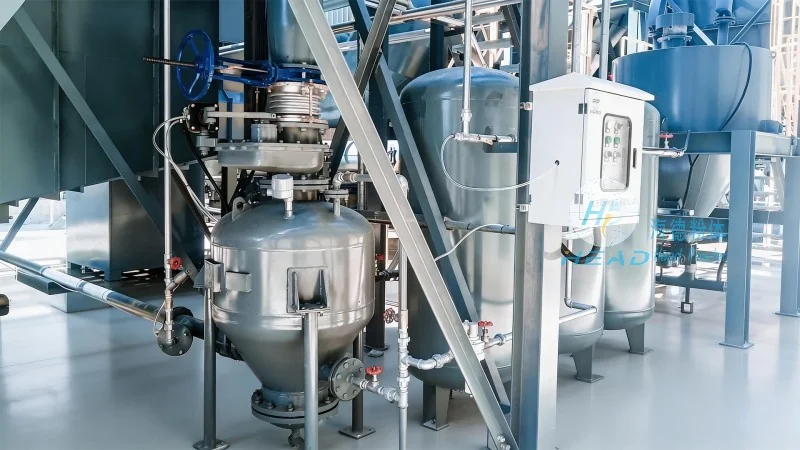
Advantages of the Iron Powder Pneumatic Conveying System
Implementing a pneumatic conveying system for iron powder offers numerous advantages over traditional mechanical conveying methods. One of the primary benefits is the ability to transport fine materials like iron powder without the need for mechanical components that can cause material degradation or contamination. The system also provides a dust-free and enclosed environment, reducing the risk of dust explosions and improving workplace safety. Additionally, pneumatic conveying systems are highly flexible, allowing for changes in material flow rates and pipeline configurations without significant modifications. The efficiency of the system in terms of energy consumption and material handling speed is also a key advantage, making it suitable for high-volume production lines.
Applications and Industries
The iron powder material pneumatic conveying system is widely used in various industries that require the handling of fine powders. These industries include the chemical industry, where iron powder is used as a raw material for pigments and coatings; the metal processing industry, where iron powder is used in powder metallurgy for manufacturing components; and the pharmaceutical industry, where iron powder is used in the production of iron supplements and other medicinal products. The system's ability to handle fine materials with precision and efficiency makes it an essential tool in these sectors, ensuring consistent quality and productivity.