

Pneumatic Conveying of Aggregates: How to Efficiently Transport Bulk Powders with Air Flow
Efficiently transporting bulk powders and granular materials, such as aggregates, is a critical challenge in various industrial sectors. Traditional methods like belt conveyors or bucket elevators often face limitations in terms of maintenance, space requirements, and the ability to handle fine or abrasive materials. Pneumatic conveying offers a sophisticated solution that leverages air flow to move these materials with precision and efficiency. This article explores the principles, applications, and benefits of pneumatic conveying systems, focusing on how they can revolutionize material handling in industries dealing with aggregates and similar powders.
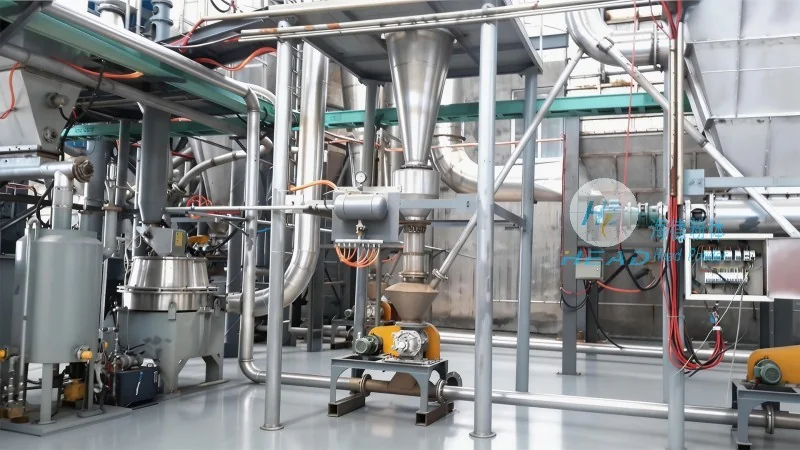
Shandong HeadPowder Engineering Co., Ltd., a leading provider in the field, specializes in designing and manufacturing advanced pneumatic conveying systems tailored to the unique needs of aggregate processing. With a strong commitment to innovation and quality, the company has established itself as a trusted partner for businesses seeking reliable solutions for material transport. HeadPowder's expertise lies in understanding the complexities of bulk material handling and translating that knowledge into cutting-edge technology that enhances operational efficiency and reduces downtime.
At the heart of pneumatic conveying systems is the use of air as a medium to transport materials. There are primarily two types of pneumatic conveying: dilute-phase and dense-phase. Dilute-phase systems use high-velocity air to move materials in a suspended state, making them suitable for long-distance transport and handling fine powders. Dense-phase systems, on the other hand, use lower air velocities and higher material concentrations, which is ideal for transporting abrasive or sensitive materials without causing degradation or damage. The choice between these systems depends on the specific characteristics of the material being conveyed, the distance to be covered, and the desired flow rate.
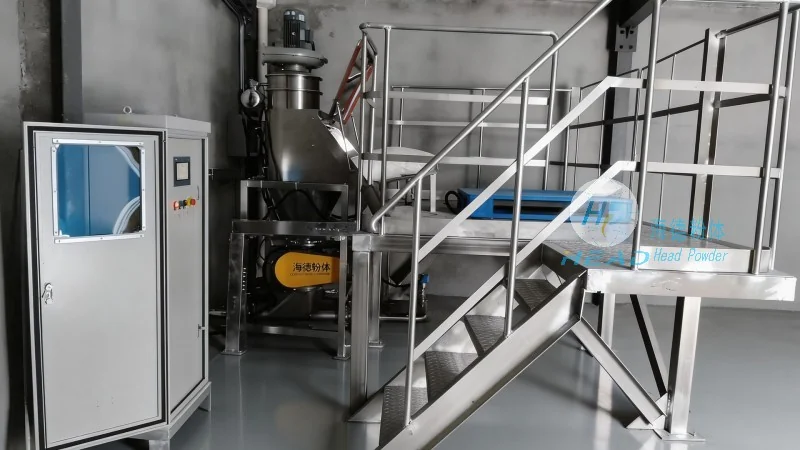
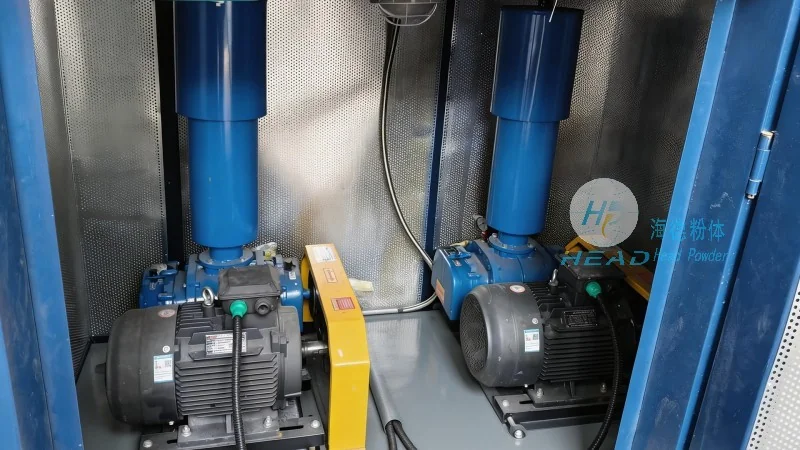
For aggregate materials, which are typically coarse and abrasive, dense-phase pneumatic conveying is often preferred. This method ensures that the material is transported in a compacted form, reducing wear on equipment and minimizing the risk of material degradation. HeadPowder's systems are engineered with robust components, such as high-quality pumps, filters, and pipelines, to withstand the harsh conditions associated with aggregate handling. The company's engineers carefully select materials and components that are resistant to corrosion and abrasion, ensuring long-term reliability and minimal maintenance.
One of the key advantages of pneumatic conveying is its ability to handle materials in a closed system. This not only improves safety by containing dust and preventing environmental contamination but also enhances product quality by keeping the material clean and free from contaminants. In industries where product purity is paramount, such as food processing or pharmaceuticals, this feature is particularly valuable. However, for aggregate applications, the primary benefits lie in operational efficiency and cost savings. By eliminating the need for multiple transfer points or manual handling, pneumatic conveying systems streamline the material flow process, reducing labor costs and increasing overall productivity.
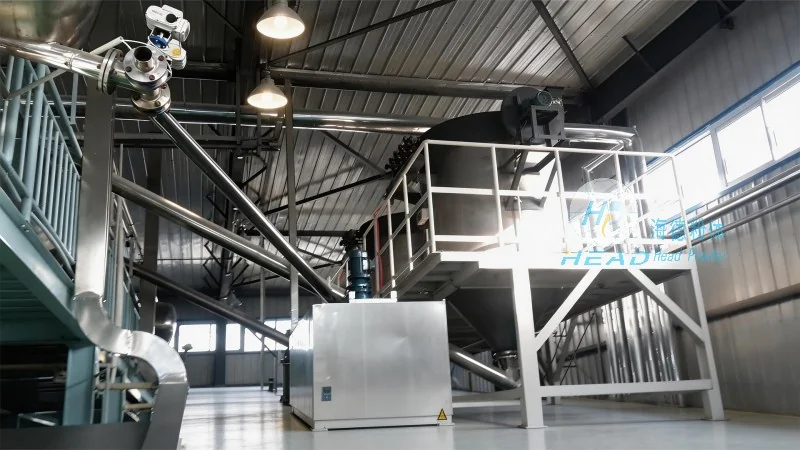
Another significant benefit of pneumatic conveying is its flexibility in terms of layout and integration. Unlike traditional conveyor systems that require fixed structures and extensive space, pneumatic conveying can be installed in a variety of configurations, including vertical, horizontal, or a combination of both. This adaptability makes it suitable for both new construction projects and retrofitting existing facilities. HeadPowder's engineers work closely with clients to design systems that fit seamlessly into their existing infrastructure, minimizing disruption and ensuring a smooth transition to the new material handling solution.
When considering a pneumatic conveying system for aggregate transport, several factors must be evaluated to ensure optimal performance. The first is the material's properties, including particle size, density, and moisture content. These characteristics influence the selection of the conveying system type and the required air pressure. For example, larger or heavier aggregates may require higher air pressure and more powerful pumps to ensure effective transport. Additionally, the distance and elevation changes between the source and destination points are critical considerations. Longer distances or significant vertical lifts may necessitate additional components, such as boosters or cyclones, to maintain the material's velocity and prevent settling.
HeadPowder's comprehensive approach to system design addresses these factors through detailed engineering and testing. The company's team conducts thorough analyses of the material's behavior under different conditions, simulating various scenarios to predict system performance. This includes evaluating the impact of temperature, humidity, and other environmental factors on the conveying process. By incorporating these variables into the design, HeadPowder ensures that the final system is not only efficient but also robust and reliable under real-world operating conditions.
Operational considerations also play a crucial role in the success of a pneumatic conveying system. Regular maintenance is essential to keep the system running smoothly and prevent breakdowns. HeadPowder provides comprehensive maintenance services and spare parts support to ensure that clients can maintain their systems with minimal disruption. The company's expertise in system monitoring and diagnostics allows for proactive maintenance, identifying potential issues before they lead to costly downtime. This proactive approach helps clients maximize the lifespan of their equipment and maintain consistent material flow.
In conclusion, pneumatic conveying represents a highly effective solution for efficiently transporting aggregates and other bulk powders. By leveraging air flow, these systems offer numerous advantages over traditional material handling methods, including improved safety, enhanced product quality, and increased operational efficiency. Shandong HeadPowder Engineering Co., Ltd. stands at the forefront of this technology, providing innovative and reliable pneumatic conveying systems that meet the diverse needs of modern industries. With a focus on quality, innovation, and customer satisfaction, HeadPowder continues to lead the way in advancing material handling solutions for the aggregate and bulk material sectors.