

Graphite Pneumatic Conveying: How to Efficiently Transport Powder and Granular Materials with Air Fl
Graphite, a versatile material widely used in various industries, often requires efficient and reliable transportation methods to move its powder and granular forms. Pneumatic conveying, which utilizes air flow to transport bulk materials, has emerged as a preferred solution for handling graphite due to its advantages in safety, cleanliness, and operational flexibility. This article explores the principles and applications of graphite pneumatic conveying, highlighting how advanced systems can optimize material handling processes.
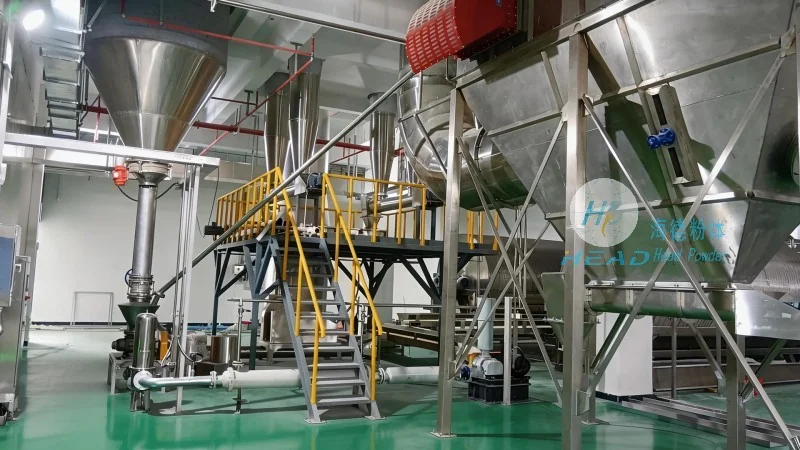
About Shandong HeadPowder Engineering Co., Ltd.
Shandong HeadPowder Engineering Co., Ltd., commonly known as HeadPowder, is a leading manufacturer specializing in the design, development, and installation of pneumatic conveying systems. With a strong commitment to innovation and quality, HeadPowder provides customized solutions tailored to the unique needs of clients in the graphite industry. The company's headquarters is located in Shandong, China, where it leverages local expertise and resources to deliver cutting-edge equipment and technical support.
Key Features of Graphite Pneumatic Conveying
Graphite pneumatic conveying systems offer several key benefits that make them ideal for transporting graphite powder and granules. One of the primary advantages is the ability to handle abrasive materials without causing excessive wear on equipment components. This is achieved through the use of specialized materials for the conveying lines and components, ensuring long-term durability and minimal maintenance. Additionally, pneumatic conveying systems provide a closed-loop operation, which helps maintain material purity and prevents contamination from external sources. The systems also offer flexibility in terms of layout, allowing for horizontal, vertical, or mixed-direction conveying based on the specific requirements of the application.
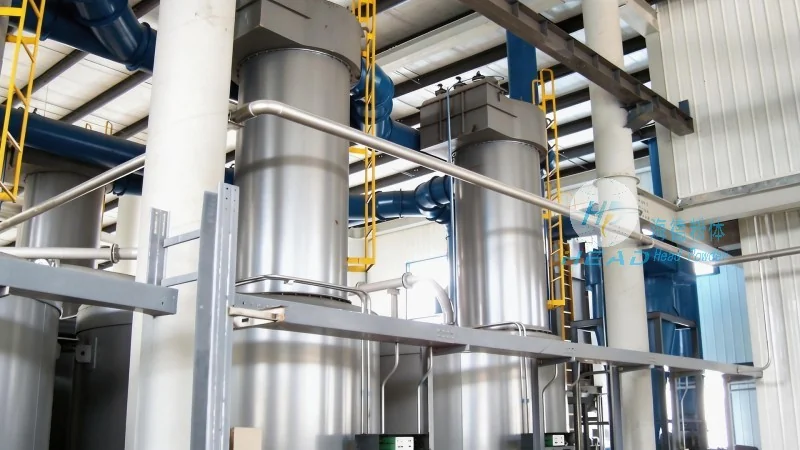
How Pneumatic Conveying Works
The fundamental principle of pneumatic conveying involves using compressed air to create a flow that transports the graphite particles through a pipeline. There are two main types of pneumatic conveying systems: pressure and vacuum. Pressure systems use positive pressure to push the material forward, while vacuum systems use negative pressure to pull the material. For graphite, pressure systems are often preferred due to their ability to handle higher material loads and longer distances. The process typically starts with the graphite material being fed into a hopper or feeder, where it is then introduced into the conveying line. The air flow, generated by a blower or compressor, carries the particles through the pipeline to the destination point, such as a storage silo or processing unit. The system is designed to maintain consistent air velocity to ensure efficient transport and prevent material settling or blockages.
Applications in the Graphite Industry
Graphite pneumatic conveying is widely used in various applications within the graphite industry. For instance, in graphite production facilities, these systems are used to transport raw graphite ore from storage to processing equipment, such as crushers and grinding mills. In the manufacturing of graphite products, like electrodes or lubricants, pneumatic conveying helps move finished or semi-finished products between different stages of production. Additionally, in graphite recycling operations, the systems are employed to transport recycled graphite material for reprocessing. The efficiency of pneumatic conveying systems in these applications reduces labor costs, minimizes material loss, and improves overall production throughput.
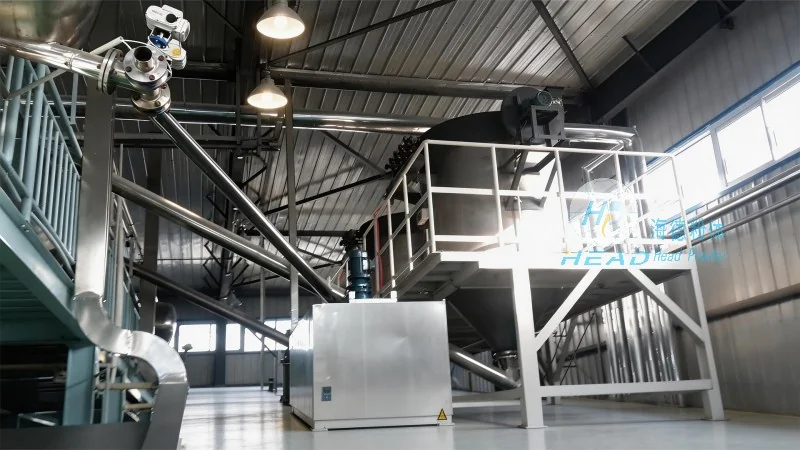
Customization and Integration with Existing Systems
HeadPowder understands that each graphite processing facility has unique operational requirements. Therefore, the company offers customized pneumatic conveying solutions that can be integrated with existing equipment and infrastructure. This includes designing systems that accommodate specific material characteristics, such as particle size, density, and moisture content. The company's engineering team works closely with clients to assess their current processes, identify bottlenecks, and develop tailored solutions that enhance productivity and reduce downtime. Customization may involve selecting appropriate air velocities, choosing the right type of conveying line (e.g., flexible hoses or rigid pipes), and incorporating features like cyclone separators or filters to ensure material separation and air purification.
Maintenance and Operational Considerations
Proper maintenance is crucial for the long-term performance and reliability of graphite pneumatic conveying systems. Regular inspections of the conveying lines, components, and air handling equipment are necessary to detect and address any issues promptly. This includes checking for signs of wear, leaks, or blockages that could affect system efficiency. HeadPowder provides comprehensive maintenance services, including routine checks, component replacement, and troubleshooting support. Additionally, operators should be trained on the proper operation of the system to ensure optimal performance and safety. This includes understanding the importance of maintaining consistent air pressure and flow rates, as well as following safety protocols to prevent accidents during material handling.