

White Powder Pneumatic Conveying: Efficient Air Flow Transport of Bulk Powders
Efficiently transporting bulk powders, especially white powders like flour or fine chemicals, is a critical challenge in many industrial processes. Traditional methods such as belt conveyors or bucket elevators often struggle with dust, material degradation, and operational inefficiencies. This is where pneumatic conveying systems offer a superior solution, leveraging air flow to move materials with precision and minimal disruption. In this article, we explore how Shandong HeadPowder Engineering Co., Ltd. utilizes advanced pneumatic conveying technology to deliver high-efficiency solutions for white powder handling.
Pneumatic Conveying Basics: The Core Technology
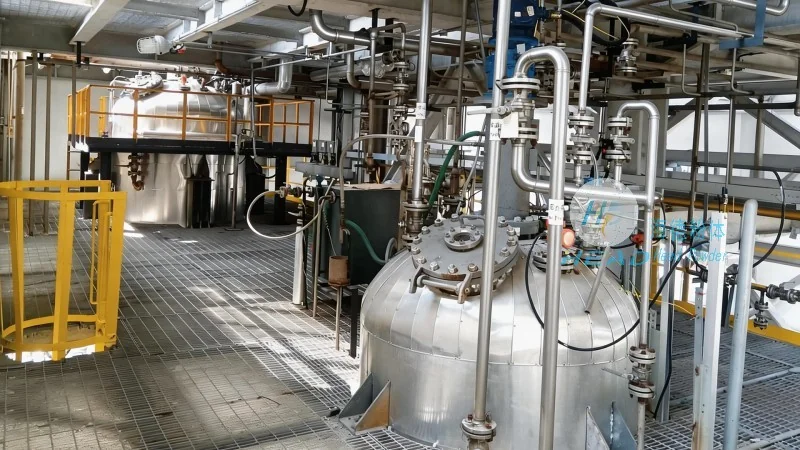
Pneumatic conveying, also known as air conveying, is a method of transporting bulk materials through a pipeline using a moving air stream. Unlike mechanical systems, this technology eliminates the need for physical contact with the material, reducing wear and tear on equipment. For white powders, which are often sensitive to moisture or contamination, this non-contact approach is particularly advantageous. The system typically consists of a blower, a hopper for material storage, and a pipeline network that directs the material to its destination. The air flow can be either positive pressure (where air pushes the material) or negative pressure (where air pulls the material), each suited to different material characteristics and system configurations.
Advantages of Pneumatic Conveying for White Powders
When handling white powders, such as those used in food processing, pharmaceuticals, or chemical manufacturing, the choice of conveying method can significantly impact product quality and operational costs. Pneumatic systems offer several key benefits that make them ideal for these applications:
- Reduced Product Contamination: By avoiding direct contact with machinery, the risk of cross-contamination is minimized. This is especially important for food-grade powders where hygiene standards are stringent.
- Lower Maintenance Costs: Since there are no moving parts in direct contact with the material, the system experiences less wear and tear compared to mechanical conveyors. This translates to lower maintenance requirements and longer equipment lifespan.
- Energy Efficiency: Modern pneumatic systems are designed to optimize air usage, reducing energy consumption while maintaining high transport rates. This makes them cost-effective over the long term.
- Flexibility in Layout: The pipeline system can be easily reconfigured or extended to accommodate changes in production needs or facility expansions. This adaptability is a significant advantage for growing businesses.
HeadPowder's Pneumatic Conveying Solutions
Shandong HeadPowder Engineering Co., Ltd., a leading provider of bulk material handling solutions, specializes in designing and manufacturing customized pneumatic conveying systems tailored to the unique needs of white powder applications. With years of experience in the industry, HeadPowder has developed a range of solutions that address the specific challenges of transporting fine, white powders efficiently and reliably.
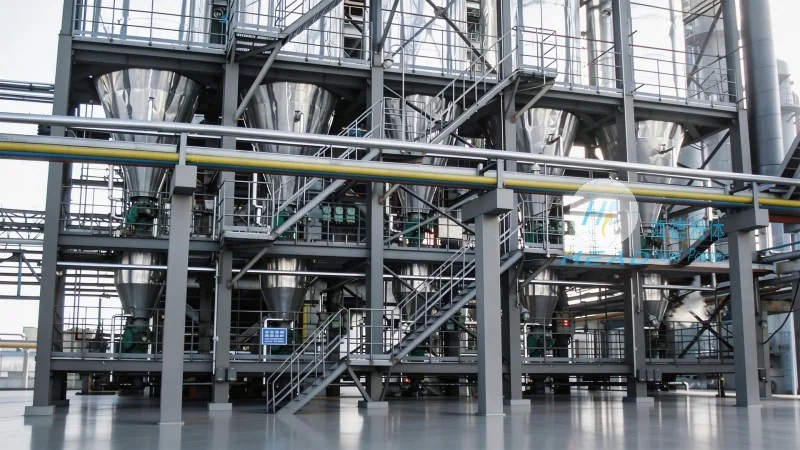
Our systems are engineered to handle materials with varying particle sizes, moisture contents, and flow characteristics. For example, in food processing facilities, our pneumatic conveyors can transport flour, sugar, or milk powder without compromising product quality. In pharmaceutical settings, the systems are designed to meet stringent cGMP (current Good Manufacturing Practices) standards, ensuring that the material remains free from contaminants throughout the transport process.
Customization and Integration: Tailored to Your Needs
Every industrial facility has unique requirements when it comes to material handling. HeadPowder understands this and offers comprehensive customization options to ensure that the pneumatic conveying system integrates seamlessly with existing infrastructure. Our team of engineers works closely with clients to assess their specific needs, including the type of white powder, the required transport distance, and the desired throughput. Based on this analysis, we design a system that maximizes efficiency while minimizing operational costs.
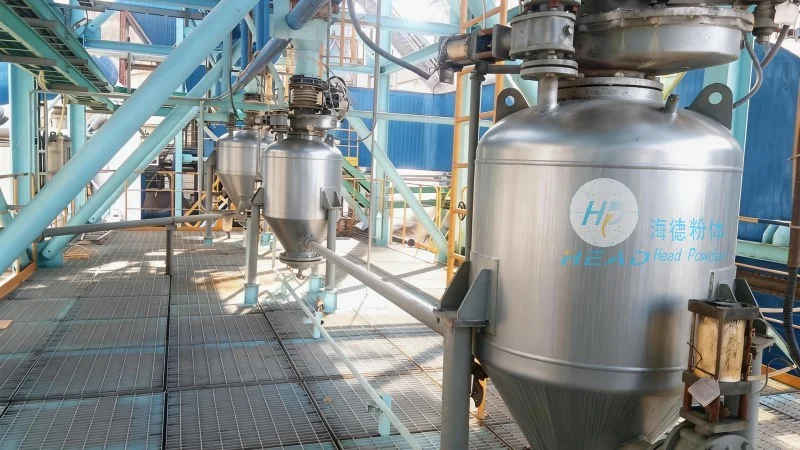
For instance, if a facility needs to transport white powder from a storage silo to a processing unit over a long distance, our engineers may recommend a combination of positive and negative pressure sections to optimize air usage and material flow. We also consider factors such as the material's density and abrasiveness to select the appropriate pipeline diameter and blower capacity.
Case Study: Efficient Flour Transport in a Bakery
Consider a large bakery that needs to transport white flour from a storage silo to multiple production lines. Traditional belt conveyors would require multiple transfers and risk dust accumulation, but a pneumatic system from HeadPowder provides a seamless solution. The system uses positive pressure to move the flour through a network of stainless steel pipelines, ensuring that the material remains dry and free from contamination. The bakery reported a 30% reduction in material handling time and a 20% decrease in maintenance costs after implementing the new system. This case study highlights the tangible benefits of pneumatic conveying for white powder applications.
Conclusion: The Future of White Powder Handling
As industries continue to demand higher efficiency and better product quality in their material handling processes, pneumatic conveying systems remain a top choice for transporting white powders. With its non-contact, hygienic, and flexible nature, this technology offers a reliable solution for a wide range of applications. Shandong HeadPowder Engineering Co., Ltd. is at the forefront of this technology, providing customized solutions that meet the evolving needs of modern industries. By leveraging advanced pneumatic conveying systems, businesses can enhance their operational efficiency, reduce costs, and ensure the quality of their white powder products.