

[Peanut Meal Pneumatic Conveying: How to Efficiently Transport Powder and Granular Materials with Ai
Efficient material handling is a critical concern for industries dealing with bulk powders and granules, particularly when handling products like peanut meal. Traditional conveying methods often struggle with challenges such as material degradation, contamination, and operational inefficiencies. Pneumatic conveying, or air-based transport systems, offers a modern solution that addresses these issues effectively. This article explores the principles and applications of pneumatic conveying for peanut meal, highlighting how advanced systems can enhance productivity and maintain product quality.
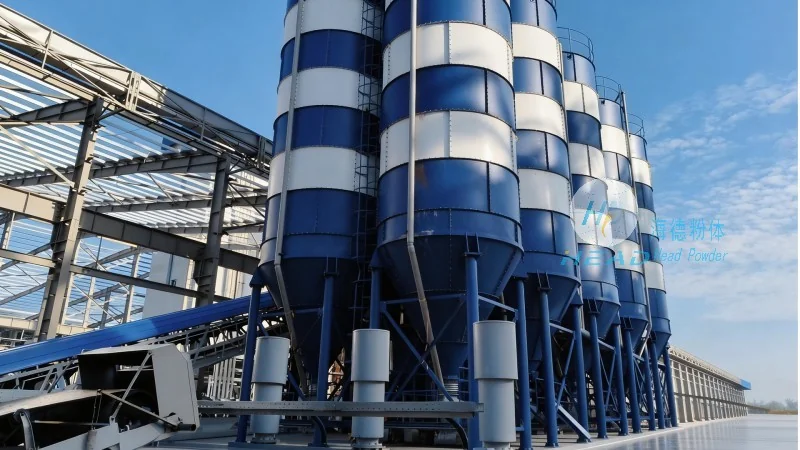
Pneumatic Conveying: An Overview
Pneumatic conveying systems utilize air or gas to transport bulk materials through a pipeline. Unlike mechanical systems that rely on belts, buckets, or screws, pneumatic systems use pressure differentials to move materials. This method is particularly advantageous for delicate or hygroscopic materials like peanut meal, as it minimizes physical contact and reduces the risk of breakage or contamination. The primary types of pneumatic conveying include pressure and vacuum systems, each suited to different operational requirements and material characteristics.
The Unique Challenges of Peanut Meal Handling
Peanut meal, a byproduct of peanut processing, is characterized by its fine particle size, high oil content, and tendency to absorb moisture from the environment. These properties make it susceptible to caking, clumping, and degradation if not handled properly. Traditional methods like bucket elevators or belt conveyors can cause friction and heat buildup, leading to quality loss. Moreover, manual handling increases the risk of contamination from human contact and environmental factors. For these reasons, many manufacturers are turning to pneumatic conveying to ensure the safe and efficient transport of peanut meal.
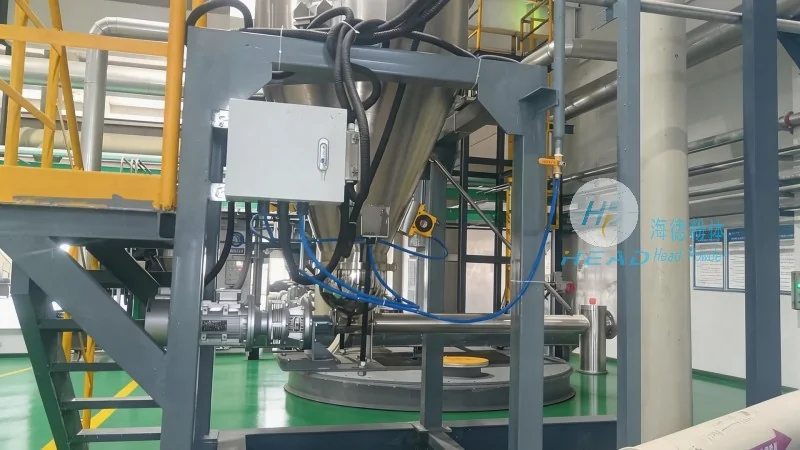
HeadPowder's Pneumatic Conveying Solutions
Shandong HeadPowder Engineering Co., Ltd., a leading provider of material handling solutions, specializes in designing and manufacturing customized pneumatic conveying systems tailored to the needs of the food and agricultural industries. The company's expertise lies in understanding the unique challenges of handling materials like peanut meal and developing solutions that optimize performance while maintaining product integrity. HeadPowder's systems are engineered to handle the specific properties of peanut meal, including its fine particle size and hygroscopic nature, ensuring minimal degradation and maximum efficiency.
Key Features of HeadPowder's Pneumatic Conveying Systems
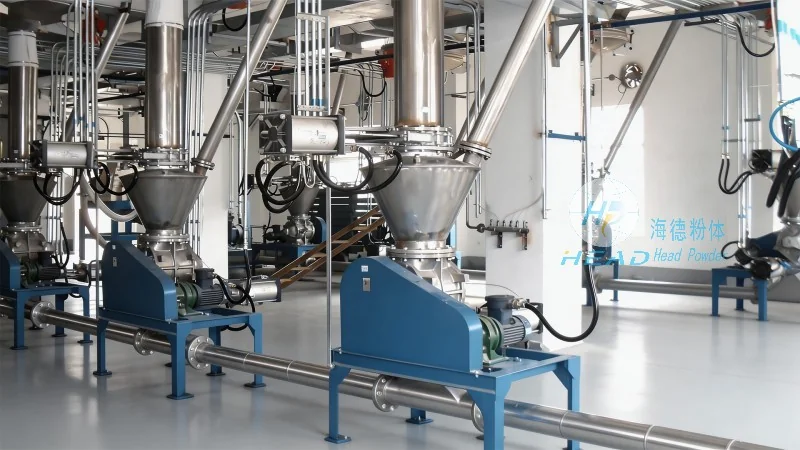
HeadPowder's pneumatic conveying systems incorporate several key features that enhance their effectiveness in transporting peanut meal. These include high-efficiency air compressors that provide consistent pressure and flow rates, specialized pipeline designs that minimize friction and pressure loss, and advanced control systems that allow for precise regulation of material flow. The company also offers a range of accessories, such as cyclone separators and filter bags, to ensure clean and efficient material separation and filtration. By integrating these components, HeadPowder's systems achieve high throughput rates while maintaining low energy consumption and minimal maintenance requirements.
Benefits of Implementing Pneumatic Conveying for Peanut Meal
The adoption of pneumatic conveying systems for peanut meal handling offers numerous benefits for manufacturers. Firstly, it significantly improves operational efficiency by reducing downtime and increasing throughput. The systems are designed to handle high volumes of material with minimal labor, allowing for continuous production processes. Secondly, pneumatic conveying minimizes product loss and degradation, preserving the quality and nutritional value of peanut meal. This is particularly important for food-grade applications where product purity is paramount. Additionally, the systems are more hygienic and easier to clean, reducing the risk of cross-contamination and meeting stringent regulatory standards. Finally, the use of pneumatic conveying can lower overall operational costs by reducing energy consumption and maintenance needs compared to traditional mechanical systems.
Conclusion
Pneumatic conveying represents a highly effective solution for the efficient and safe transport of peanut meal and other similar powders and granules. By leveraging advanced technology and tailored system designs, companies like Shandong HeadPowder Engineering Co., Ltd. are enabling manufacturers to overcome the challenges associated with traditional material handling methods. The benefits of pneumatic conveying, including improved efficiency, product quality, and operational costs, make it an attractive investment for industries seeking to enhance their material handling capabilities. With its headquarters in Shandong, China, HeadPowder continues to lead the way in providing innovative and reliable pneumatic conveying solutions for the global market.