

Classification and Composition of Corundum Pneumatic Conveying Systems
Corundum, a high-purity aluminum oxide mineral, is widely used in various industrial applications due to its exceptional hardness and thermal stability. The efficient handling of corundum through pneumatic conveying systems is crucial for maintaining product quality and operational efficiency in processing facilities. This article provides an overview of the classification and key components of corundum pneumatic conveying systems, highlighting the technical aspects and practical considerations for industrial applications. As a leading manufacturer of industrial conveying solutions, Shandong HeadPowder Engineering Co., Ltd. specializes in designing and supplying high-performance corundum pneumatic conveying systems tailored to meet the diverse needs of clients in the ceramics, refractory, and abrasive industries.
Classification of Corundum Pneumatic Conveying Systems
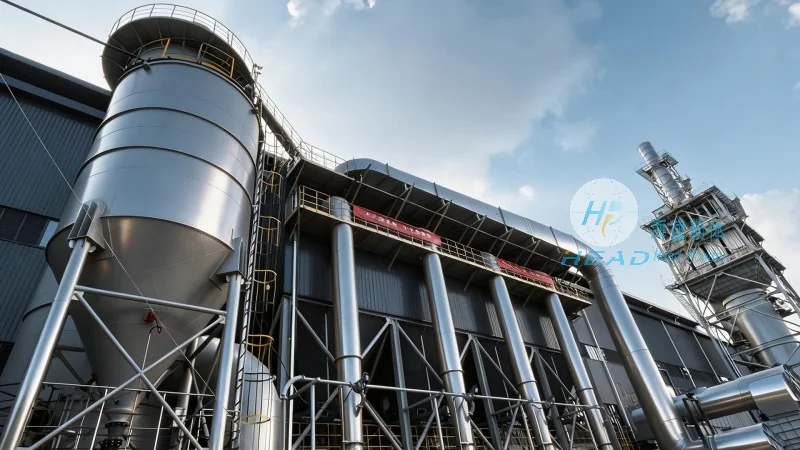
Corundum pneumatic conveying systems can be classified based on several key parameters, including the conveying medium (air or other gases), the pressure level (positive or negative pressure), and the system configuration (e.g., dilute-phase or dense-phase). Dilute-phase systems are commonly used for transporting fine corundum powders over moderate distances, while dense-phase systems are preferred for high-value or sensitive materials that require minimal particle degradation. The choice of classification depends on the specific characteristics of the corundum material, the required conveying distance, and the operational constraints of the processing plant.
Key Components of Corundum Pneumatic Conveying Systems
A typical corundum pneumatic conveying system consists of several essential components that work in concert to ensure reliable material transport. The primary components include the material feed hopper, which stores and feeds the corundum powder into the system; the air compressor or blower, which generates the necessary airflow to move the material; the conveying line, which transports the corundum particles through the system; and the receiver or discharge hopper, which collects the material at the destination. Additionally, auxiliary components such as filters, cyclones, and pressure vessels are often integrated to enhance system performance and ensure compliance with safety and environmental regulations.
Material Feed Hopper and Feeding Mechanisms
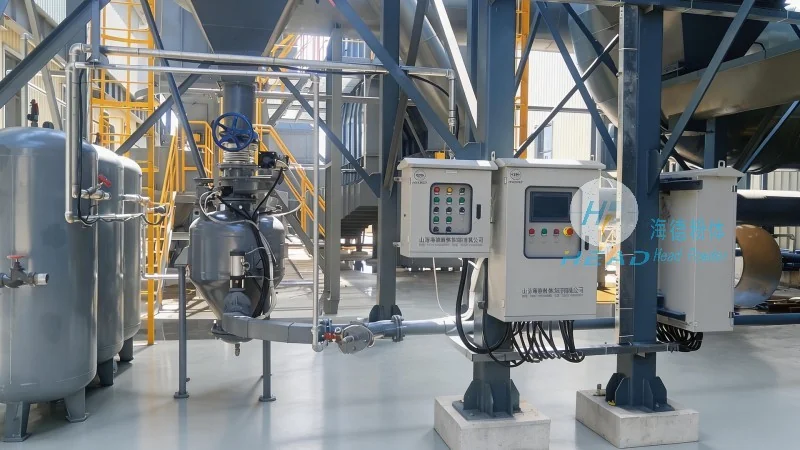
The material feed hopper is a critical component in corundum pneumatic conveying systems, as it must effectively control the flow of fine corundum powder into the conveying line. The hopper design typically incorporates a conical or rectangular shape to minimize material bridging and ensure consistent feeding. For corundum, which is prone to static electricity, anti-static coatings or grounding mechanisms are often employed to prevent powder accumulation and ensure smooth operation. The feeding mechanism, such as a rotary valve or screw feeder, is designed to maintain a steady flow rate, preventing surges or blockages that could lead to system inefficiencies or equipment damage.
Air Compressor and Blower Selection
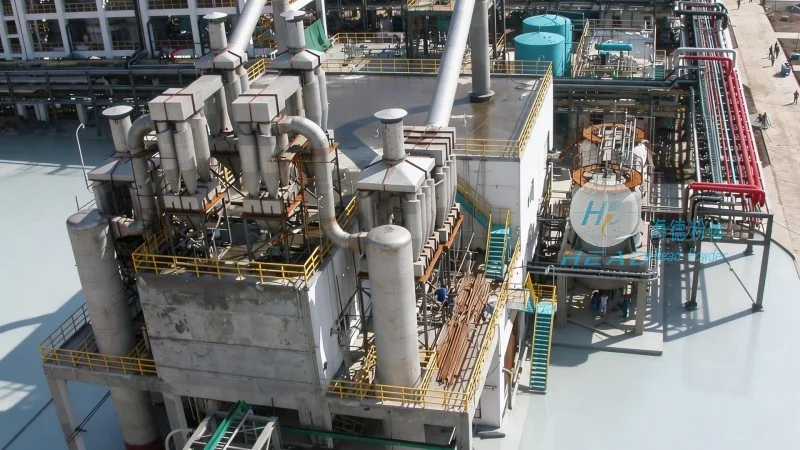
The air compressor or blower is responsible for generating the pressure and airflow required to transport corundum particles through the conveying line. The selection of the appropriate equipment depends on the system's pressure requirements, the material's particle size and density, and the conveying distance. Positive-pressure systems use a blower to push air and material through the line, while negative-pressure systems use a vacuum pump to draw material into the line. For corundum, which is a relatively dense material, higher pressure or vacuum levels may be required to achieve the desired conveying velocity. The compressor or blower must also be equipped with appropriate filtration and cooling systems to maintain performance and prevent overheating.
Conveying Line Design and Material Handling
The conveying line is the central pathway for transporting corundum particles from the feed hopper to the receiver. The line is typically made of corrosion-resistant materials, such as stainless steel or polyethylene, to withstand the abrasive nature of corundum and prevent material buildup. The internal diameter of the line is carefully selected based on the particle size and flow rate to ensure optimal conveying efficiency. For dilute-phase systems, the line is usually straight with minimal bends, while dense-phase systems may incorporate special fittings, such as expansion joints or pulse jets, to maintain material flow and prevent blockages. The line design also considers the need for insulation to prevent heat loss or gain, which can affect the material's properties during transport.