

Classification and Composition of Quicklime Pneumatic Conveying Systems
Quicklime, also known as calcium oxide (CaO), is a vital industrial material utilized across diverse sectors including construction, chemical manufacturing, and environmental treatment. The efficient and reliable transportation of quicklime from production sites to processing facilities is paramount for maintaining operational efficiency and product quality. Pneumatic conveying systems have emerged as a preferred method for handling quicklime due to their ability to transport materials in a dust-free environment, reducing health hazards and enhancing process safety. This article provides an overview of the classification and key components of quicklime pneumatic conveying systems, highlighting technological advancements and practical applications in modern industrial settings.
Classification of Quicklime Pneumatic Conveying Systems
Quicklime pneumatic conveying systems can be classified based on several key factors, including the conveying principle, material flow characteristics, and operational requirements. The primary classification is often based on the pressure used during the conveying process, which can be categorized into three main types: pressure, vacuum, and mixed (or combined) systems.
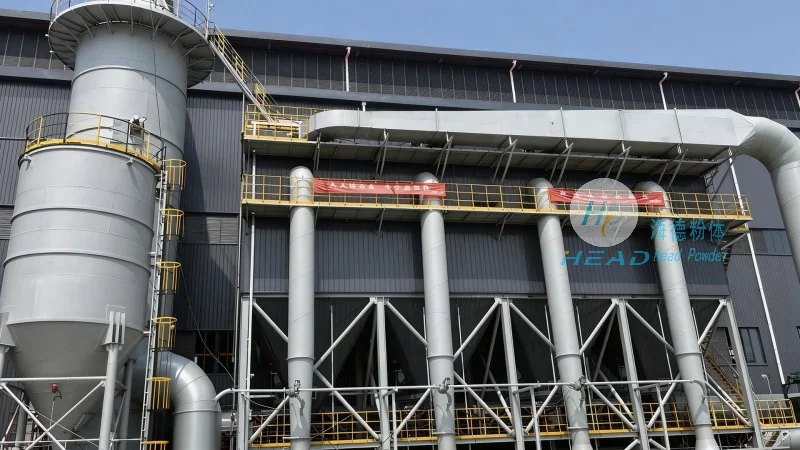
Pressure conveying systems operate by using positive pressure to push the material through the pipeline. These systems are suitable for long-distance and high-volume conveying of quicklime, as they can maintain consistent flow rates and handle abrasive materials effectively. The pressure is typically generated by a positive displacement blower or a rotary lobe pump, which provides the necessary force to move the material. Pressure systems are commonly used in applications where the material needs to be transported over distances exceeding 100 meters and where high throughput is required.
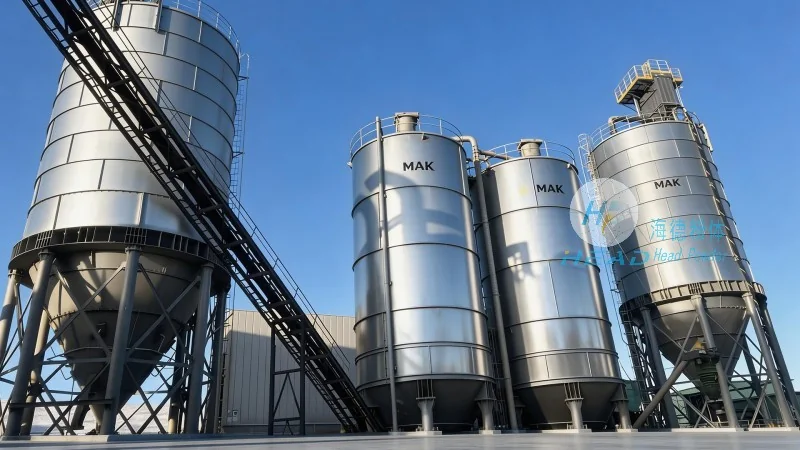
Vacuum conveying systems, conversely, use negative pressure to draw the material into the pipeline. This method is ideal for short-distance and low-volume conveying, as well as for handling materials sensitive to pressure changes or for applications requiring material collection from multiple sources. Vacuum systems are often preferred in situations where the material is to be transported from a lower elevation to a higher one, as the suction action helps to lift the material against gravity. These systems are commonly used in laboratory settings, small-scale production facilities, and for transporting quicklime from storage silos to processing equipment.
Mixed or combined conveying systems combine elements of both pressure and vacuum systems. They utilize a combination of positive and negative pressure to optimize the conveying process. For instance, a mixed system might use a vacuum to draw the material from the source and then a positive pressure to boost the flow over longer distances. This approach allows for greater flexibility in handling different material characteristics and operational conditions. Mixed systems are particularly useful in complex industrial setups where multiple conveying routes and varying material properties are encountered.
Key Components of Quicklime Pneumatic Conveying Systems
The effectiveness of a quicklime pneumatic conveying system depends on the integration of several critical components, each playing a vital role in the overall operation. The main components include the material feed system, the conveying pipeline, the air supply unit, the material separation and collection equipment, and the control and monitoring systems.
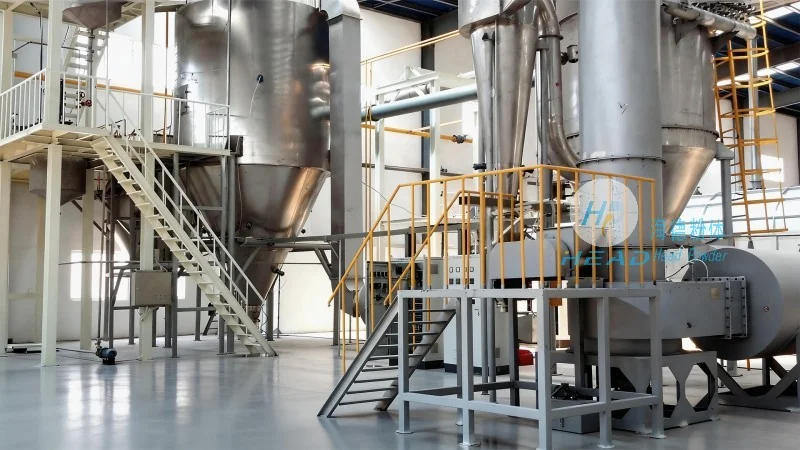
The material feed system is responsible for introducing the quicklime into the conveying pipeline. This component typically consists of a hopper or a silo that stores the quicklime and a feeder, such as a rotary valve or a screw feeder, which controls the flow rate of the material. The feeder must be designed to handle the abrasive nature of quicklime and to prevent blockages or material buildup. In some systems, a pre-drying or pre-screening unit may be included to remove moisture or foreign particles from the material, ensuring a consistent feed quality.
The conveying pipeline is the backbone of the system, responsible for transporting the quicklime and air mixture. The pipeline is usually made of corrosion-resistant materials, such as stainless steel or polyethylene, to withstand the chemical properties of quicklime and to prevent leakage. The diameter and length of the pipeline are carefully selected based on the material flow rate, conveying distance, and pressure requirements. Proper pipeline design is crucial to minimize pressure losses and to ensure smooth material flow. Elbows, bends, and other fittings are strategically placed to maintain the flow direction and to reduce turbulence, which can cause material degradation or system inefficiencies.