

Classification and Composition of High-Alumina Fly Ash Pneumatic Conveying Systems
High-alumina fly ash, a byproduct of coal combustion, is widely utilized in industrial applications due to its distinctive chemical and physical attributes. The efficient handling and transportation of this material are pivotal for industrial processes, and pneumatic conveying systems have emerged as a dependable solution. This article provides an overview of the classification and key components of high-alumina fly ash pneumatic conveying systems, highlighting technological advancements and practical applications in contemporary industrial settings.
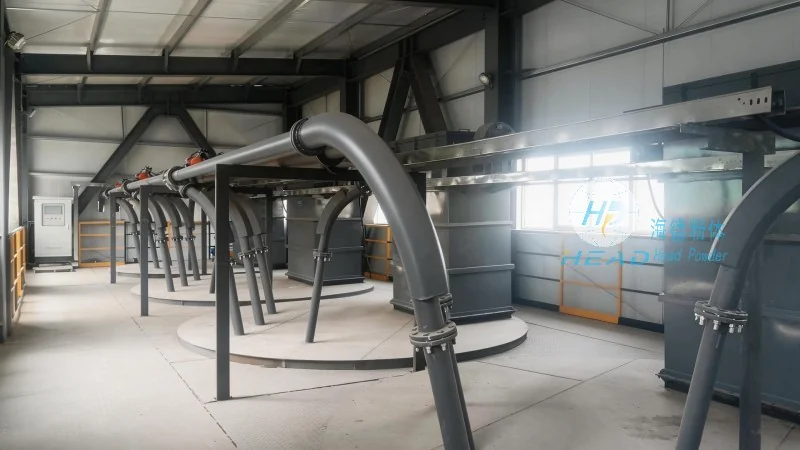
Classification of High-Alumina Fly Ash Pneumatic Conveying Systems
High-alumina fly ash pneumatic conveying systems can be classified based on factors such as conveying principle, material properties, and operational requirements. The primary classifications include:
1. Positive Pressure Systems: These systems employ compressed air to push material through the pipeline. They are well-suited for handling fine powders and are commonly used in applications where the material is abrasive or has a high moisture content. Positive pressure systems are recognized for their ability to handle high material loads and maintain consistent flow rates.
2. Negative Pressure (Vacuum) Systems: In contrast, negative pressure systems utilize a vacuum to draw material into the pipeline. This approach is ideal for applications requiring dust control and where material is collected from multiple sources. Negative pressure systems are often preferred in environments where air quality is a concern, as they minimize dust emissions.
3. Two-Phase Systems: Combining elements of both positive and negative pressure, two-phase systems utilize a combination of air and material flow. This method is particularly effective for handling high-density materials and can be adjusted to suit varying operational conditions. Two-phase systems offer flexibility in conveying different types of high-alumina fly ash, making them versatile for diverse industrial needs.
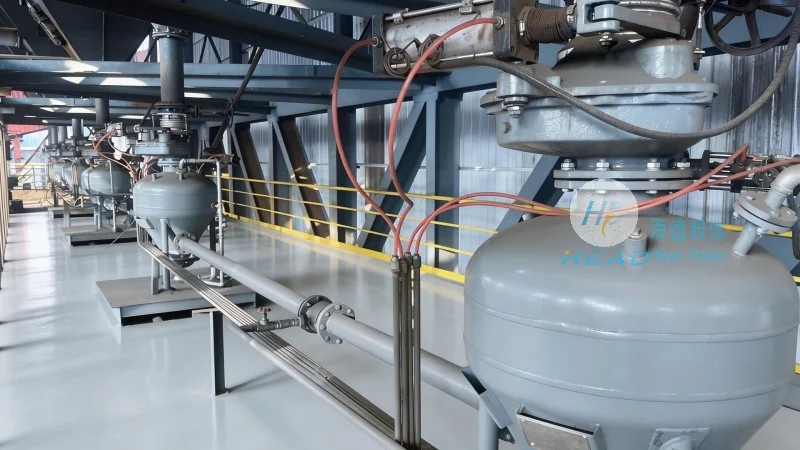
Key Components of High-Alumina Fly Ash Pneumatic Conveying Systems
The effectiveness of a high-alumina fly ash pneumatic conveying system depends on its integrated components, each designed to optimize performance and ensure safe operation. The main components include:
1. Feeder: The feeder is responsible for feeding high-alumina fly ash into the conveying line. It must handle the material's bulk density and flow characteristics, ensuring a consistent and controlled feed rate. Proper design of the feeder is critical to prevent blockages and maintain system efficiency.
2. Conveying Pipeline: The pipeline serves as the primary pathway for transporting the material. Materials such as stainless steel or special alloys are often used to withstand the abrasive nature of high-alumina fly ash, which can cause wear and corrosion over time. The pipeline design, including bends and elbows, is optimized to minimize pressure drop and maintain material flow.
3. Air Supply Unit: This component provides the necessary air pressure or vacuum for the system. It includes compressors, vacuum pumps, and control valves that regulate air flow. The air supply unit must be capable of handling the specific requirements of high-alumina fly ash, such as particle size and moisture content, to ensure stable operation.
4. Separation and Collection Equipment: After material reaches its destination, separation and collection equipment are used to remove air from the conveying line and collect high-alumina fly ash. This includes cyclones, filters, and dust collectors, which are designed to handle fine particles and maintain air quality. Proper separation is essential to prevent material loss and ensure compliance with environmental regulations.
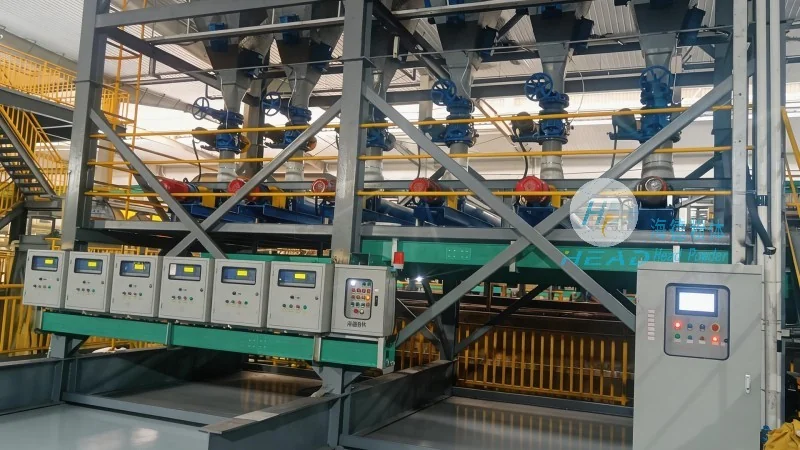
5. Control System: The control system monitors and regulates the operation of the entire pneumatic conveying system. It includes sensors, controllers, and automation devices that adjust parameters such as air pressure, feed rate, and material flow. Advanced control systems enhance system efficiency, reduce energy consumption, and improve overall performance.
Application Examples and Benefits
High-alumina fly ash pneumatic conveying systems are widely used in industries like cement production, concrete manufacturing, and construction material processing. The benefits of these systems include:
1. Efficient Material Handling: Pneumatic conveying allows for rapid and continuous transport of high-alumina fly ash, reducing labor costs and improving production throughput.
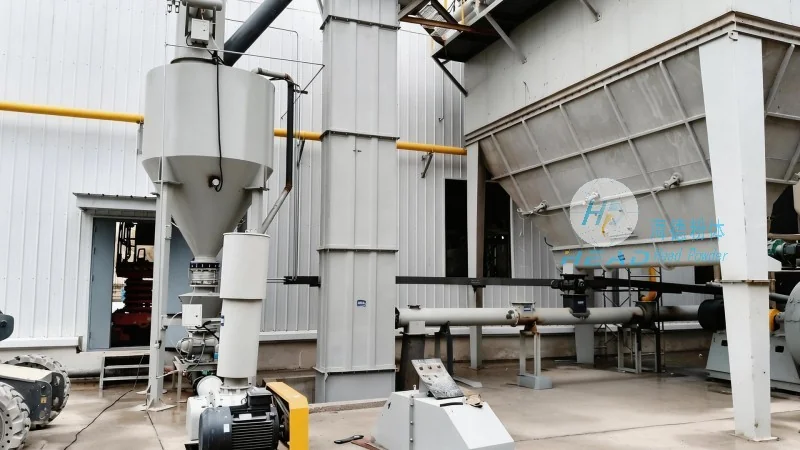
2. Dust Control: By enclosing material in a sealed system, these conveyors minimize dust emissions, enhancing workplace safety and compliance with environmental standards.
3. Space Efficiency: Compared to traditional bulk handling methods, pneumatic conveying systems require less floor space and can be installed in confined areas, making them suitable for modern industrial facilities.
4. Reduced Maintenance: Advanced materials and design reduce wear and tear, leading to lower maintenance costs and longer system lifespan.
Conclusion
High-alumina fly ash pneumatic conveying systems represent a sophisticated solution for the efficient handling and transportation of this valuable industrial material. By understanding classification and key components of these systems, industries can make informed decisions to optimize operations. Continuous technological advancements ensure these systems remain reliable and effective, supporting sustainable industrial practices. As demand for high-alumina fly ash increases, importance of robust and efficient conveying systems will only grow, making them critical component in modern industrial infrastructure.