

Classification and Composition of Heavy Calcium Powder Pneumatic Conveying Systems
Shandong HeadPowder Engineering Co., Ltd., commonly known as HeadPowder, specializes in the design, manufacturing, and installation of heavy calcium powder pneumatic conveying systems. Based in Shandong, China, the company provides comprehensive solutions tailored to the unique requirements of various industrial applications. This article explores the classification and essential components of such systems, offering insights into their functionality and design principles.
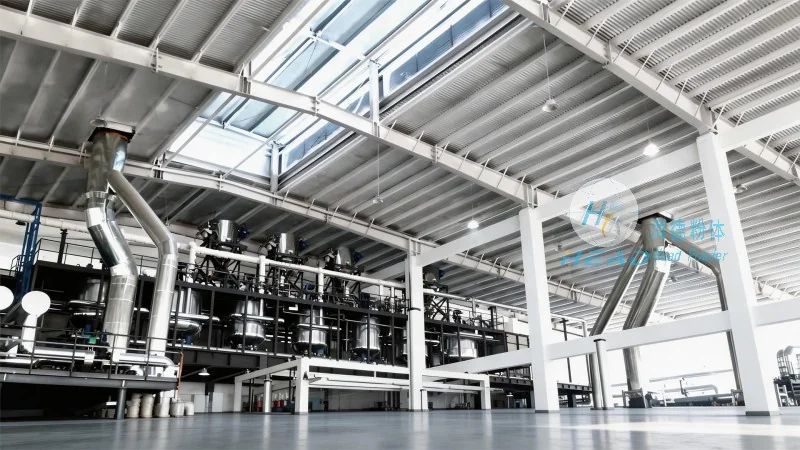
Overview of Heavy Calcium Powder Pneumatic Conveying Systems
Heavy calcium powder, also known as heavy calcium carbonate (CaCO₃), is a widely used industrial material in sectors like plastics, coatings, paper, and rubber. Pneumatic conveying systems are essential for efficiently transporting these powders from storage to processing units, ensuring minimal dust generation and maintaining product quality. The classification of these systems is primarily based on the method of air flow and the direction of material movement, which directly impacts system efficiency, cost, and suitability for different powder characteristics.
Classification of Pneumatic Conveying Systems
There are two main categories of pneumatic conveying systems: aspiration (or suction) systems and pressure (or blow) systems. Each type has distinct operational principles and applications.
1. Aspiration (Suction) Systems
Aspiration systems utilize a vacuum to draw material from a source, such as a silo or hopper, and transport it through a pipeline to a destination. The primary advantage of this method is its ability to handle powders with high moisture content or those that are prone to caking, as the vacuum helps maintain material flow. These systems are commonly used in applications where the material source is elevated or where dust control is critical. The design typically includes a vacuum pump, a filter to capture fine particles, and a receiver to collect the conveyed material.
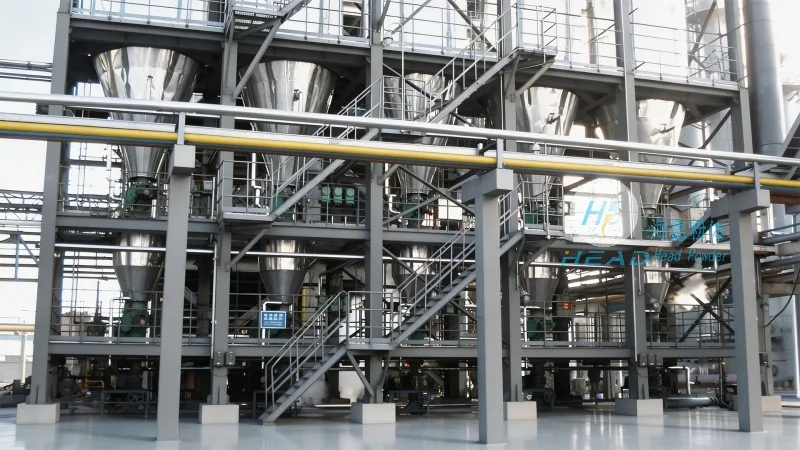
2. Pressure (Blow) Systems
Pressure systems employ compressed air to push material through a pipeline. This method is more suitable for transporting powders with low moisture content and good flow characteristics, as the high-pressure air ensures consistent material movement. Pressure systems are often preferred in applications requiring high conveying rates or over longer distances. Key components include a blower or compressor, a material feeder, and a pipeline network that may include bends, valves, and filters to maintain system efficiency.
Key Components of Heavy Calcium Powder Pneumatic Conveying Systems
Regardless of the system type, a heavy calcium powder pneumatic conveying system consists of several critical components that work in tandem to ensure reliable operation. These components are designed to handle the specific properties of heavy calcium powder, such as its density, particle size, and flowability.
1. Material Feeder
The material feeder is responsible for supplying the heavy calcium powder to the conveying system. It must be capable of handling the powder's characteristics, such as its bulk density and flowability, to maintain a consistent feed rate. Common types of feeders include rotary valves, star feeders, and screw feeders. The feeder is typically integrated with a hopper or silo to ensure a continuous supply of material. The design of the feeder is crucial to prevent material bridging or clogging, which can disrupt the conveying process.
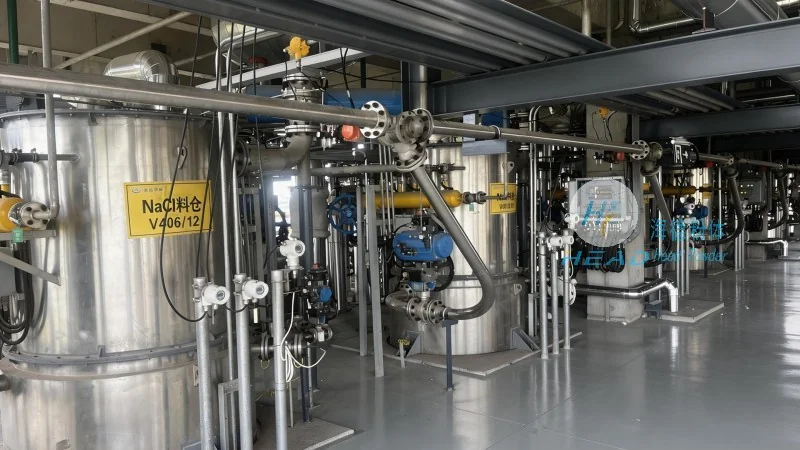
2. Air Supply Unit
The air supply unit provides the necessary pressure or vacuum for conveying the material. In suction systems, a vacuum pump generates the required vacuum, while in pressure systems, a blower or compressor supplies compressed air. The air supply unit must be capable of delivering the appropriate flow rate and pressure to match the system's design. For example, a pressure system may require a blower with a capacity of several hundred cubic meters per hour, depending on the conveying distance and material characteristics. The air supply unit also includes components like air filters and regulators to ensure clean and stable air flow, preventing contamination of the heavy calcium powder.
3. Conveying Pipeline
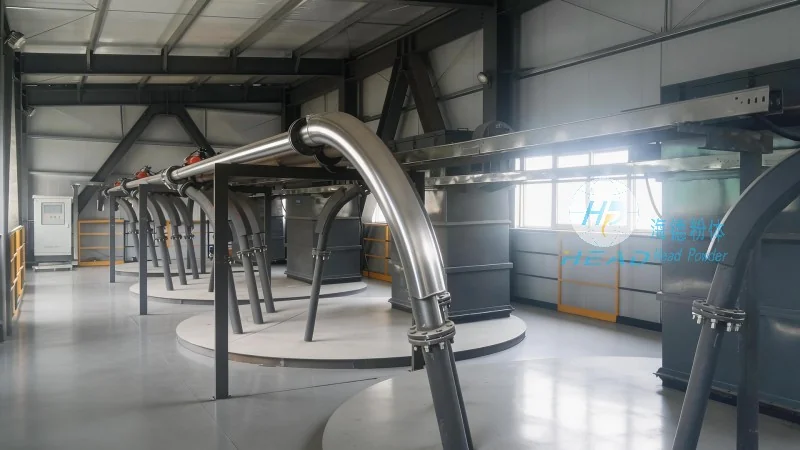
The conveying pipeline is the main channel through which the heavy calcium powder is transported. It is typically made of stainless steel or other corrosion-resistant materials to withstand the abrasive nature of the powder and prevent contamination. The pipeline design includes various components such as bends, elbows, and straight sections, which are strategically placed to maintain the flow of material and air. The diameter of the pipeline is determined based on the material's flow rate and the required air velocity to prevent particle settling. Proper pipeline design is essential to minimize pressure losses and ensure efficient material transport.
4. Filter and Dust Collection System
A critical component of any pneumatic conveying system is the filter and dust collection system. This system is responsible for capturing fine particles of heavy calcium powder that may escape from the pipeline or the air supply unit. The filter typically consists of a baghouse or cartridge filter, which traps the particles and allows clean air to be discharged. The collected powder is then returned to the system or stored in a separate container. The efficiency of the filter is crucial to maintain air quality and prevent dust accumulation in the system, which can lead to operational issues or safety hazards.
5. Control and Monitoring System
The control and monitoring system ensures the smooth operation of the pneumatic conveying system. It includes sensors and controls that monitor parameters such as pressure, flow rate, and material level. The system may also include alarms and safety features to detect and prevent malfunctions. For example, if the pressure in the pipeline drops below a certain level, the system may automatically adjust the air supply or stop the feeder to prevent material blockages. The control system allows operators to monitor the system's performance in real-time and make adjustments as needed to optimize efficiency and maintain product quality.
Applications and Benefits of Heavy Calcium Powder Pneumatic Conveying Systems
Heavy calcium powder pneumatic conveying systems are widely used in various industrial applications due to their efficiency and flexibility. The systems are particularly suitable for transporting powders in bulk, reducing the need for manual handling and minimizing the risk of dust exposure. The benefits of using such systems include improved safety, reduced material loss, and increased production efficiency. Additionally, the systems can be customized to meet the specific requirements of different industries, such as the plastics industry, where heavy calcium powder is used as a filler to improve the mechanical properties of the final product.
In conclusion, the classification and composition of heavy calcium powder pneumatic conveying systems are critical to their performance and suitability for various industrial applications. By understanding the different types of systems and their components, industries can select the most appropriate solution to meet their material handling needs. Shandong HeadPowder Engineering Co., Ltd. provides comprehensive solutions for these systems, ensuring reliable and efficient operation for its clients.