

Classification and Composition of Micronized Powder Pneumatic Conveying Systems
Micro-powder pneumatic conveying systems are critical in industrial processes for efficiently transporting fine powders over distances, ensuring minimal product degradation and operational efficiency. These systems are designed to handle materials with particle sizes typically ranging from 1 to 500 microns, such as micro-sand powders, which require specialized handling due to their fine particle characteristics.
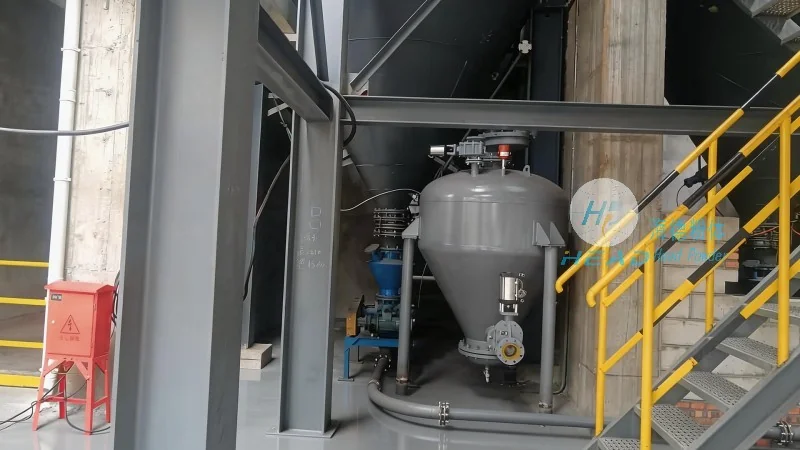
Classification of Micronized Powder Pneumatic Conveying Systems
Micro-powder pneumatic conveying systems can be classified based on the gas velocity and particle concentration within the conveying line. The primary categories include:
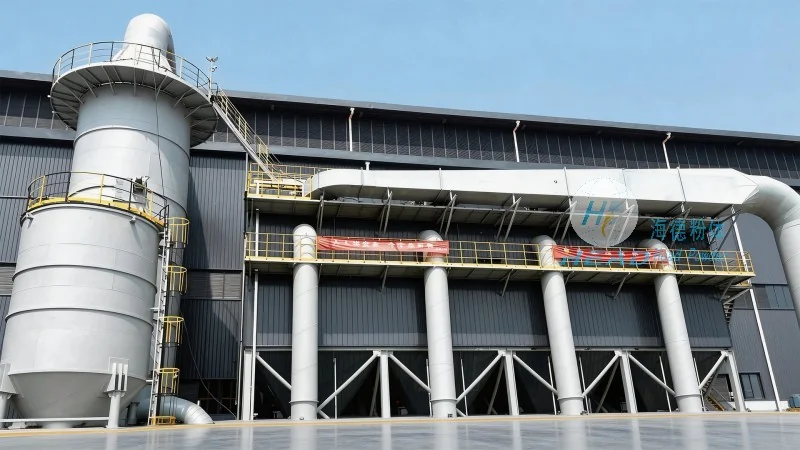
- Suspension Pneumatic Conveying (Low-Pressure, Dilute Phase): This system operates at low pressure (typically 0.5 to 2 bar) with a low particle concentration (less than 10% by volume). It is suitable for long-distance transport and is commonly used for powders with low to moderate dust explosion risks. The system relies on high gas velocities to keep particles suspended in the air stream.
- Entrained Flow Pneumatic Conveying (High-Pressure, Dense Phase): Operating at higher pressures (2 to 10 bar) and with higher particle concentrations (up to 50% by volume), this system is ideal for short to medium distances and for materials that are prone to caking or agglomeration. The high gas velocity ensures particles remain entrained in the flow, reducing the risk of blockages.
- Mixed-Phase Pneumatic Conveying: A hybrid approach combining elements of both suspension and dense phase systems. It operates at intermediate pressures and particle concentrations, offering flexibility for varying process requirements and material properties. This system is often used when both long-distance transport and material handling efficiency are critical.
Key Components of Micronized Powder Pneumatic Conveying Systems
The effectiveness of a micro-powder pneumatic conveying system depends on its integrated components, each designed to optimize material transport and system performance. The main components include:
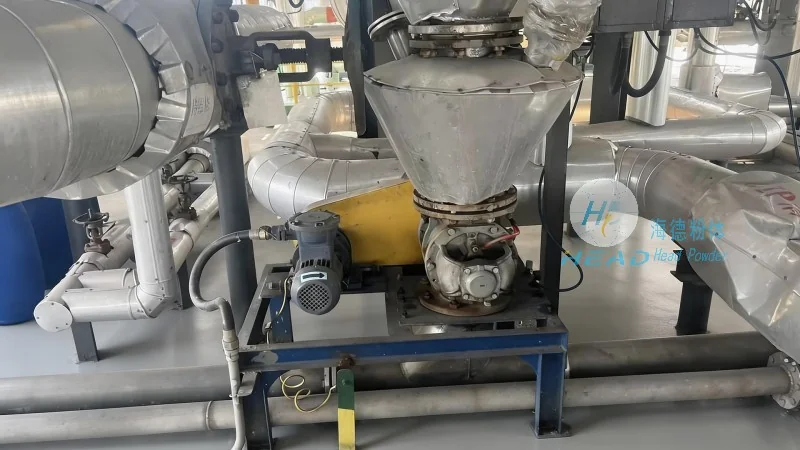
- Feed Hopper and Metering Device: The feed hopper stores the micro-powder and feeds it into the system at a controlled rate. The metering device, such as a rotary valve or a screw feeder, ensures consistent material flow, preventing overloading or underloading of the conveying line. This component is crucial for maintaining system stability and preventing particle segregation.
- Pneumatic Conveying Line: The primary conduit for transporting the powder. The line is typically made of stainless steel or other corrosion-resistant materials to handle fine powders and prevent particle buildup. The diameter and length of the line are tailored to the specific material and transport distance, with larger diameters used for higher flow rates and longer distances.
- Gas Supply and Compressor: The system uses a compressor to generate the necessary air pressure and flow rate. The compressor is selected based on the system's pressure requirements and the volume of material to be transported. The gas supply is often filtered to remove contaminants that could affect the powder quality or system performance.
- Separation and Collection Equipment: At the receiving end, the system includes a separator (e.g., cyclone or bag filter) to separate the powder from the air stream. The collected powder is then transferred to a storage bin or processing unit. This component is essential for maintaining product purity and preventing dust emissions.
- Control and Monitoring Systems: Modern micro-powder pneumatic conveying systems are equipped with advanced control and monitoring systems. These systems include pressure sensors, flow meters, and control valves to regulate the system's operation in real-time. They help maintain optimal operating conditions, detect faults, and ensure safety by preventing overpressure or underpressure conditions.
Applications and Benefits of Micronized Powder Pneumatic Conveying Systems
Micro-powder pneumatic conveying systems are widely used in various industries, including pharmaceuticals, food processing, chemical manufacturing, and mining. The benefits of these systems include:
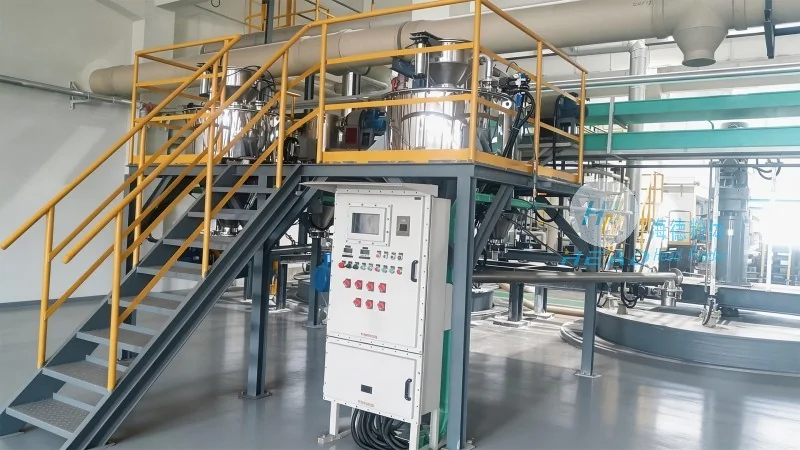
- Efficient Material Transport: The systems enable the transport of fine powders over long distances with minimal energy consumption compared to other methods like bulk handling or manual transfer.
- Reduced Product Degradation: By minimizing contact with external elements and avoiding mechanical handling, the systems help preserve the quality and properties of the micro-powder, such as moisture content and particle size distribution.
- Improved Safety and Hygiene: The enclosed system design reduces dust emissions and prevents contamination, making it suitable for applications where product purity and operator safety are critical.
- Flexibility and Scalability: The systems can be customized to handle different powder types, flow rates, and distances, making them adaptable to varying production needs. They can also be scaled up or down to accommodate changes in production capacity.
About Shandong HeadPowder Engineering Co., Ltd.
Shandong HeadPowder Engineering Co., Ltd., operating under the brand name headpowder, is a leading provider of micro-powder pneumatic conveying systems. With a focus on innovation and quality, the company specializes in designing and manufacturing customized solutions for various industrial applications. Headpowder's systems are engineered to meet the specific requirements of each client, ensuring optimal performance and reliability. The company's headquarters is located in Shandong, China, where it leverages advanced technology and expertise to deliver high-quality products and services to global markets.