

Classification and Composition of Sanding Powder Pneumatic Conveying Systems
For industrial applications involving the handling of sanding powders, efficient and reliable pneumatic conveying systems are essential. These systems are designed to transport sanding powders from one location to another within a manufacturing facility, ensuring smooth operations and maintaining product quality. The classification and composition of such systems are critical for understanding their functionality and selecting the appropriate equipment for specific industrial needs.
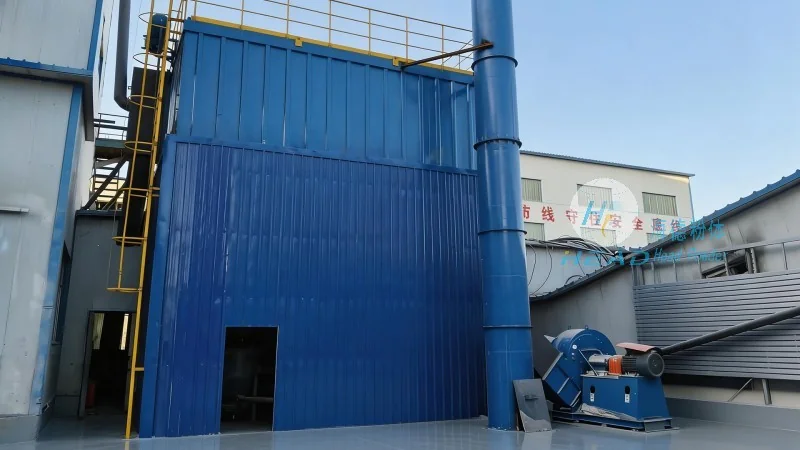
Introduction to Pneumatic Conveying Systems for Sanding Powders
Pneumatic conveying systems utilize air or other gases to transport bulk materials like sanding powders. They are widely used in various industries due to their ability to handle fine powders without the need for mechanical components that might cause contamination or damage to the product. The core components of these systems include the material feed hopper, the conveying line, and the discharge equipment. Each component plays a vital role in the overall performance and efficiency of the system.
Classification of Sanding Powder Pneumatic Conveying Systems
Sanding powder pneumatic conveying systems can be classified based on several key factors, including the conveying method, the pressure used, and the system configuration. The primary classifications include positive pressure systems, negative pressure systems, and mixed pressure systems. Positive pressure systems, also known as pressure conveying systems, operate by forcing air and material through the conveying line using a positive pressure blower. This method is suitable for long-distance and high-capacity applications. Negative pressure systems, or vacuum conveying systems, use a vacuum to draw material from the source and transport it to the destination. These systems are ideal for handling fine powders and are often used in applications where dust control is a priority. Mixed pressure systems combine elements of both positive and negative pressure, offering flexibility in handling different material characteristics and system requirements.
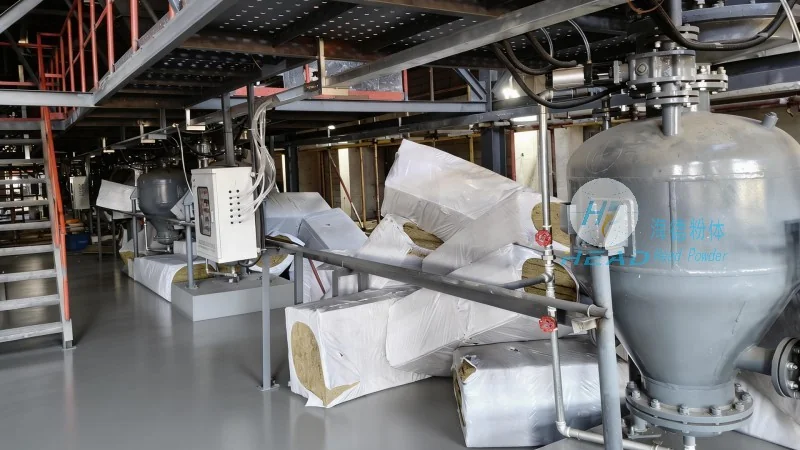
Key Components of a Sanding Powder Pneumatic Conveying System
The composition of a sanding powder pneumatic conveying system involves several essential components that work in tandem to ensure effective material transport. The material feed hopper is the initial component where sanding powder is stored and fed into the system. It is typically equipped with a feeder, such as a rotary valve or a screw feeder, to control the flow rate of the material. The conveying line, usually made of stainless steel or other corrosion-resistant materials, is responsible for transporting the material and air mixture. The line diameter and length are critical factors that affect the system's performance and efficiency. The discharge equipment, including a receiver or a silo, collects the material at the destination. This component may also include a dust collector to manage any airborne particles and ensure compliance with environmental regulations.
Material Handling Considerations in Pneumatic Conveying
When designing a pneumatic conveying system for sanding powders, several material handling considerations must be taken into account. The particle size, density, and flowability of the sanding powder are crucial factors that influence the system's design. Fine powders with high moisture content may require additional drying or conditioning to prevent caking or blockages in the conveying line. The system must also be designed to handle variations in material characteristics, such as changes in particle size or moisture content, to maintain consistent performance. Proper maintenance and cleaning procedures are essential to prevent material buildup and ensure the longevity of the system components.
Applications of Sanding Powder Pneumatic Conveying Systems
Sanding powder pneumatic conveying systems are widely used in various industrial applications, including woodworking, metalworking, and automotive manufacturing. In woodworking, these systems are used to transport sanding powders from the production line to storage areas or to other processing equipment. In metalworking, they are employed to handle abrasive sanding powders used in surface finishing processes. The automotive industry also utilizes these systems for transporting sanding powders used in the finishing of vehicle components. The efficiency and reliability of these systems contribute to improved production throughput and reduced downtime in these industries.
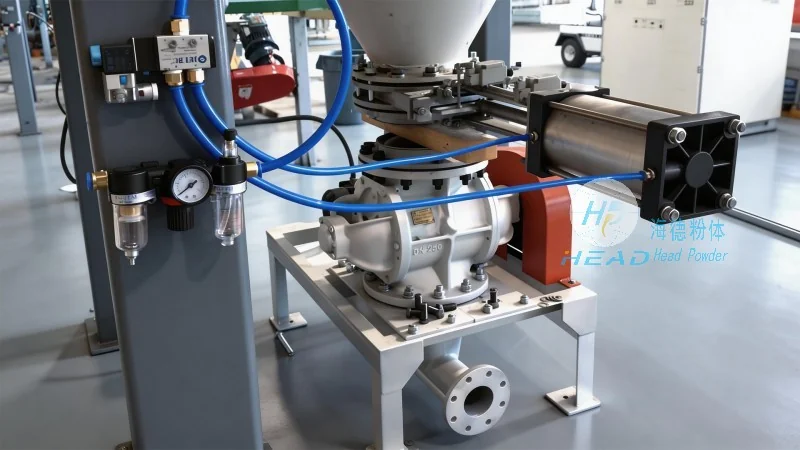
Advantages of Using Pneumatic Conveying Systems
There are several advantages to using pneumatic conveying systems for sanding powders. One of the primary benefits is the ability to handle fine powders without the need for mechanical components that might cause contamination or damage to the product. This ensures that the sanding powder remains in its original state, maintaining its quality and effectiveness. Pneumatic systems also offer flexibility in system design, allowing for customization to meet specific industrial requirements. They are also relatively easy to install and maintain, reducing the overall operational costs for manufacturers. Additionally, these systems can be integrated with other equipment, such as dust collectors and material feeders, to create a comprehensive material handling solution.
Conclusion
In conclusion, the classification and composition of sanding powder pneumatic conveying systems are critical for their effective operation in industrial settings. By understanding the different classifications and key components, manufacturers can select the appropriate system for their specific needs. The advantages of using these systems, including their ability to handle fine powders and their flexibility in design, make them a preferred choice in various industries. With proper design and maintenance, pneumatic conveying systems can provide reliable and efficient material transport, contributing to improved productivity and product quality.