

Classification and Composition of Coffee Powder Pneumatic Conveying Systems
For coffee processing facilities, efficient and reliable material handling is crucial to maintaining product quality and operational efficiency. Among the various methods available, pneumatic conveying systems have become a preferred choice for transporting coffee powder due to their ability to handle fine powders with minimal dust and contamination. This article explores the classification and key components of coffee powder pneumatic conveying systems, highlighting the technology's importance in the coffee industry and the role of specialized engineering companies like Shandong HeadPowder Engineering Co., Ltd. in designing and implementing these systems.
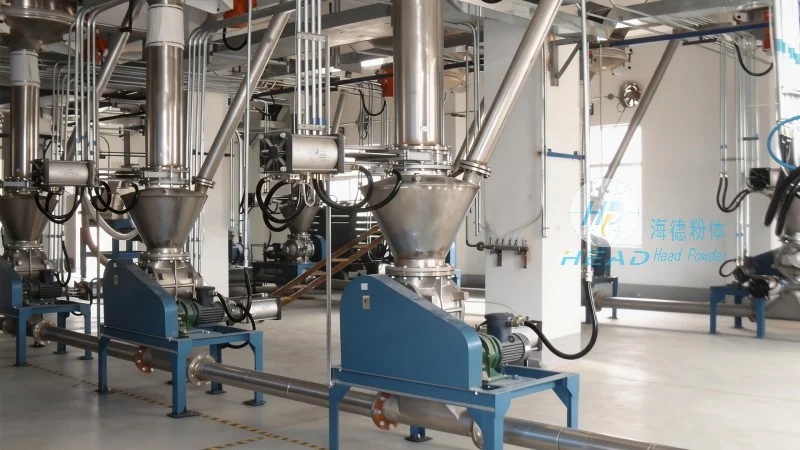
Introduction to Coffee Powder Pneumatic Conveying Systems
Pneumatic conveying systems use air or other gases to transport solid materials, such as coffee powder, through a pipeline. This method offers several advantages over traditional mechanical conveying, including reduced product degradation, lower maintenance costs, and the ability to handle materials in a closed system, minimizing environmental impact. The efficiency of these systems depends on the proper selection of components and the design of the conveying line, which must be tailored to the specific characteristics of the coffee powder being handled.
Classification of Coffee Powder Pneumatic Conveying Systems
There are primarily two types of pneumatic conveying systems used for coffee powder: pressure and vacuum systems. Each type has distinct characteristics and is suitable for different operational requirements.
1. **Pressure Pneumatic Conveying Systems**: In this system, air is compressed and introduced into the conveying line at a high pressure. The compressed air propels the coffee powder through the pipeline. Pressure systems are typically used for long-distance or high-capacity conveying, as they can maintain a consistent flow rate and handle larger volumes of material. They are often preferred for applications where the coffee powder needs to be transported from a central storage area to multiple processing points.
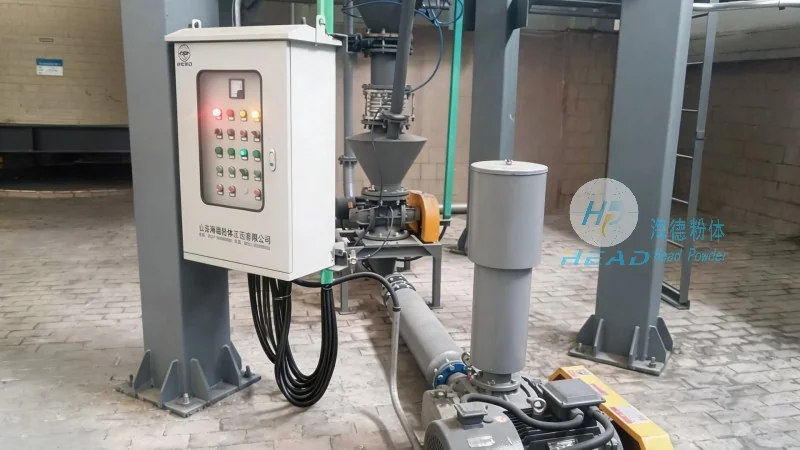
2. **Vacuum Pneumatic Conveying Systems**: This system operates by creating a vacuum in the conveying line, which draws the coffee powder into the pipeline. Vacuum systems are generally used for shorter distances or when the material needs to be transferred from a lower elevation to a higher one. They are ideal for applications where the coffee powder is collected from various points and needs to be consolidated into a central location. Both pressure and vacuum systems can be further classified based on the air velocity and the type of air flow, such as dilute-phase or dense-phase conveying.
Key Components of Coffee Powder Pneumatic Conveying Systems
The effectiveness of a coffee powder pneumatic conveying system relies on several critical components, each playing a vital role in the overall operation. The main components include:
1. **Feeder**: The feeder is responsible for introducing the coffee powder into the conveying line at a controlled rate. For coffee powder, which is a fine and cohesive material, a rotary valve or a star feeder is commonly used to ensure a consistent and uniform flow. The feeder must be designed to handle the material's properties, such as its moisture content and particle size, to prevent blockages or uneven feeding.
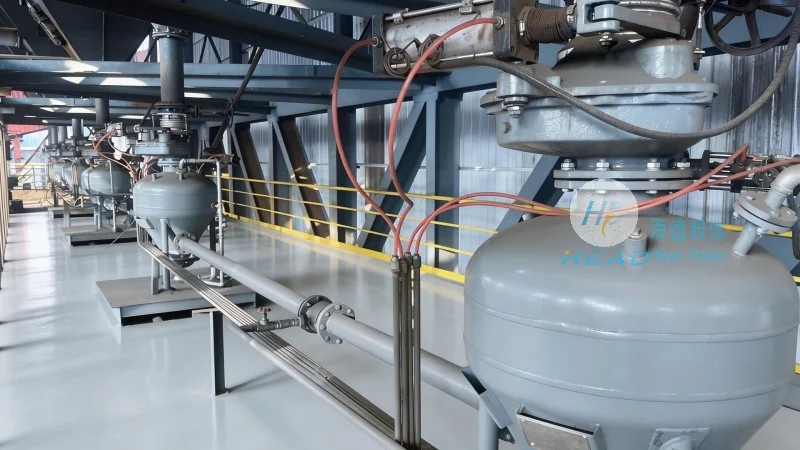
2. **Conveying Line**: The conveying line is the pipeline through which the coffee powder and air travel. The material is typically transported in a dilute-phase, where the powder is suspended in the air stream, or in a dense-phase, where the powder forms a plug with the air. The choice of line material, such as stainless steel or plastic, depends on the coffee powder's chemical properties and the need for corrosion resistance. The line must also be properly sealed to prevent air leakage and maintain the system's pressure or vacuum.
3. **Air Supply Unit**: The air supply unit provides the necessary air or gas for the conveying process. It includes a compressor (for pressure systems) or a vacuum pump (for vacuum systems), along with filters and regulators to ensure clean and controlled air flow. The air quality is critical, as contaminants can affect the coffee powder's quality and the system's performance. The unit must be capable of delivering the required air volume and pressure to maintain the desired conveying velocity.
4. **Separation and Collection Equipment**: After the coffee powder reaches its destination, it needs to be separated from the air and collected. This is typically done using a cyclone separator or a bag filter. The separator removes the powder from the air stream, allowing the air to be recycled or discharged. The collected coffee powder is then transferred to a storage or processing unit. The efficiency of the separation equipment is crucial to maintaining product quality and minimizing material loss.
5. **Control System**: The control system monitors and regulates the operation of the pneumatic conveying system. It includes sensors to measure pressure, flow rate, and temperature, as well as controllers to adjust the feeder speed, air supply, and other parameters. The control system ensures that the system operates within safe and efficient limits, preventing overloading or under-conveying. It also provides alerts and diagnostics for any issues that may arise, allowing for timely maintenance and troubleshooting.
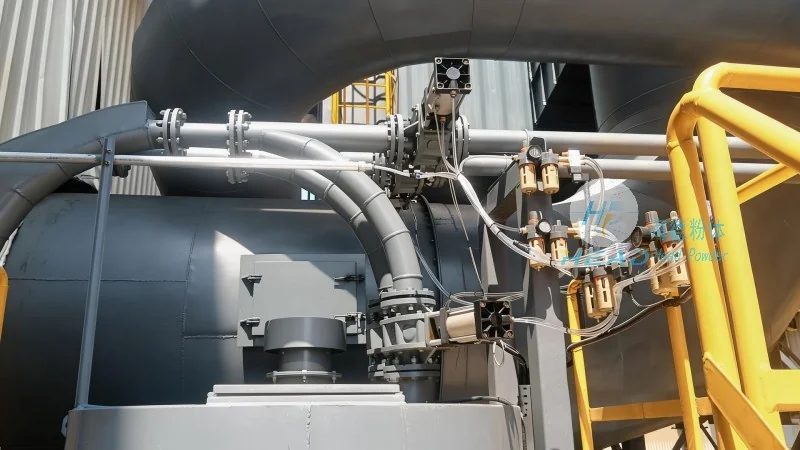
Role of Shandong HeadPowder Engineering Co., Ltd. in Coffee Powder Pneumatic Conveying Systems
Shandong HeadPowder Engineering Co., Ltd., operating under the brand name HeadPowder, specializes in the design, manufacturing, and installation of pneumatic conveying systems for various industries, including coffee processing. With years of experience in handling fine powders, the company has developed expertise in tailoring systems to meet the specific needs of coffee manufacturers. HeadPowder engineers work closely with clients to understand their operational requirements, material characteristics, and production goals, ensuring that the designed system is both efficient and cost-effective.
The company's approach to system design involves a comprehensive analysis of the coffee powder's properties, such as particle size distribution, moisture content, and flowability. This analysis helps in selecting the appropriate conveying type (pressure or vacuum) and components, such as the feeder and separation equipment. HeadPowder also considers factors like the system's capacity, the distance to be covered, and the need for integration with existing processing equipment. The result is a customized solution that maximizes the efficiency of coffee powder handling while minimizing downtime and maintenance costs.
HeadPowder's commitment to quality and innovation is reflected in the materials used for system construction. The company uses high-quality stainless steel and other corrosion-resistant materials to ensure durability and maintain the purity of the coffee powder. The components are manufactured with precision to meet industry standards, and the systems are tested rigorously before delivery to ensure they meet the client's specifications. This attention to detail has made HeadPowder a trusted partner for coffee processing facilities seeking reliable and efficient material handling solutions.