

Classification and Composition of Dry Stone Powder Pneumatic Conveying Systems
For industrial applications involving the transport of dry stone powders, pneumatic conveying systems offer efficient and reliable solutions. These systems utilize air or gas to move bulk materials through pipelines, eliminating the need for mechanical components like belts or buckets. The effectiveness of such systems depends on their design, which is tailored to the specific characteristics of the material being conveyed, including particle size, density, and flowability. Understanding the classification and composition of these systems is crucial for selecting the right equipment for a given application.
Classification of Pneumatic Conveying Systems
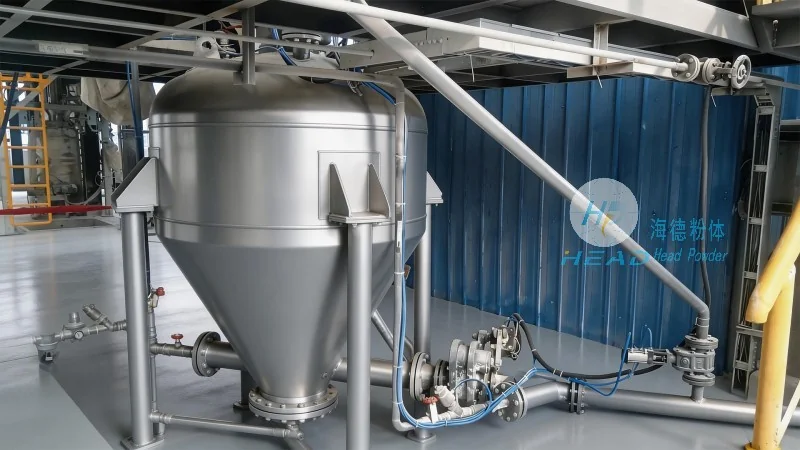
Dry stone powder pneumatic conveying systems are typically classified based on the pressure used to move the material. The primary categories include:
- Positive Pressure Systems: These systems use a blower or compressor to generate air pressure that pushes the material through the pipeline. They are suitable for long-distance transport and can handle a wide range of particle sizes. The headpowder company, Shandong HeadPowder Engineering Co., Ltd., specializes in designing positive pressure systems that ensure efficient material transfer with minimal pressure loss.
- Negative Pressure (Vacuum) Systems: In these systems, a vacuum is created at the receiving end to draw the material into the pipeline. They are ideal for applications where the material needs to be transported from multiple sources to a single destination, such as in dust collection or material recovery processes. The company’s expertise in negative pressure systems allows for effective handling of fine powders without the risk of dust dispersion.
- Combined Pressure and Vacuum Systems: This type combines elements of both positive and negative pressure systems, offering flexibility in material handling. It can be used for both loading and unloading operations, making it suitable for complex industrial setups. The engineering team at Shandong HeadPowder Engineering Co., Ltd. designs these systems to optimize energy consumption while maintaining high material transport efficiency.
Key Components of Dry Stone Powder Pneumatic Conveying Systems
The composition of a pneumatic conveying system involves several critical components that work together to ensure smooth operation. These components include:
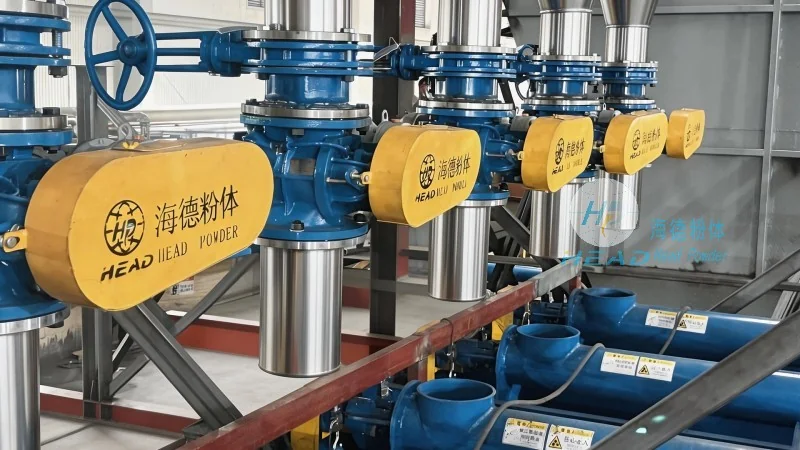
- Feeder: The feeder is responsible for introducing the dry stone powder into the system at a controlled rate. It ensures a consistent flow of material, preventing blockages or uneven feeding. The company’s feeders are designed to handle various powder types, including those with high moisture content or abrasive properties, ensuring durability and reliable performance.
- Pipeline: The pipeline is the main conduit for transporting the material. It is typically made of materials like stainless steel or plastic, chosen based on the material’s compatibility and the system’s pressure requirements. The design of the pipeline, including its diameter and length, is crucial for maintaining the air-to-material ratio and preventing pressure drop. Shandong HeadPowder Engineering Co., Ltd. uses high-quality materials and precise engineering to ensure the pipeline’s longevity and efficiency.
- Conveying Air Source: The air source, such as a blower or compressor, provides the necessary pressure to move the material. The choice of air source depends on the system’s classification and the required pressure. The company selects appropriate air sources that meet the specific needs of each application, ensuring energy efficiency and low maintenance costs.
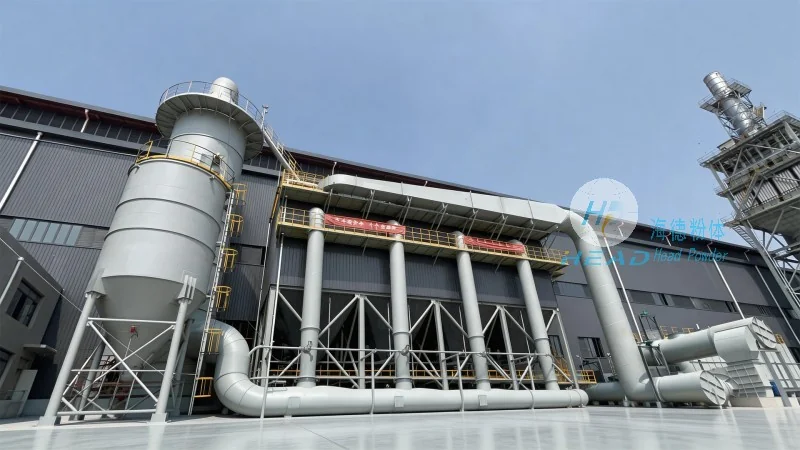
- Separation and Collection Equipment: At the receiving end, separation equipment is used to separate the material from the air stream. This may include cyclones, filters, or baghouses, depending on the system’s design. The collection equipment ensures that the material is properly stored or processed, while the air is cleaned and discharged. The company’s separation systems are designed to minimize dust emissions and maximize material recovery.
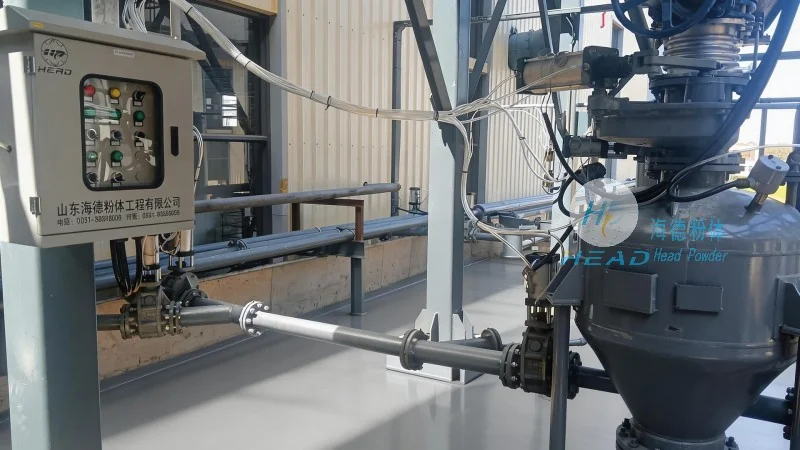
- Control and Monitoring Systems: Modern pneumatic conveying systems are equipped with control and monitoring systems to regulate the operation and ensure safety. These systems may include pressure sensors, flow meters, and control panels that allow operators to adjust the system parameters in real-time. The company integrates advanced control systems to enhance the system’s performance and reduce downtime.
Application Considerations for Dry Stone Powder Pneumatic Conveying
When selecting a pneumatic conveying system for dry stone powder applications, several factors need to be considered to ensure optimal performance. These include the material’s properties, such as particle size distribution, moisture content, and flowability, as well as the required transport distance and capacity. The headpowder company, Shandong HeadPowder Engineering Co., Ltd., conducts thorough assessments of these factors to design systems that meet the specific needs of each client. Their expertise in material handling ensures that the selected system is both efficient and cost-effective.
Conclusion
Dry stone powder pneumatic conveying systems are essential for efficient material transport in various industrial applications. By understanding the classification and composition of these systems, industries can select the right equipment to meet their operational requirements. The Shandong HeadPowder Engineering Co., Ltd. provides comprehensive solutions, including system design, manufacturing, and installation, ensuring that clients receive reliable and durable equipment tailored to their specific needs. With their expertise in both positive and negative pressure systems, the company is well-positioned to serve a wide range of industrial sectors, including mining, construction, and chemical processing.