

Classification and Composition of Magnesium Oxide Pneumatic Conveying Systems
Magnesium oxide (MgO), also known as magnesia, is a widely used industrial material in sectors such as refractory, chemical, and pharmaceutical industries. Efficient transportation of MgO from production sites to processing facilities is critical for maintaining production efficiency and product quality. Pneumatic conveying systems are preferred for handling this material due to their ability to transport powders in a dust-free environment, reducing operational risks and environmental impact. This article provides an overview of the classification and key components of magnesium oxide pneumatic conveying systems, highlighting technical aspects and practical applications in industrial settings.
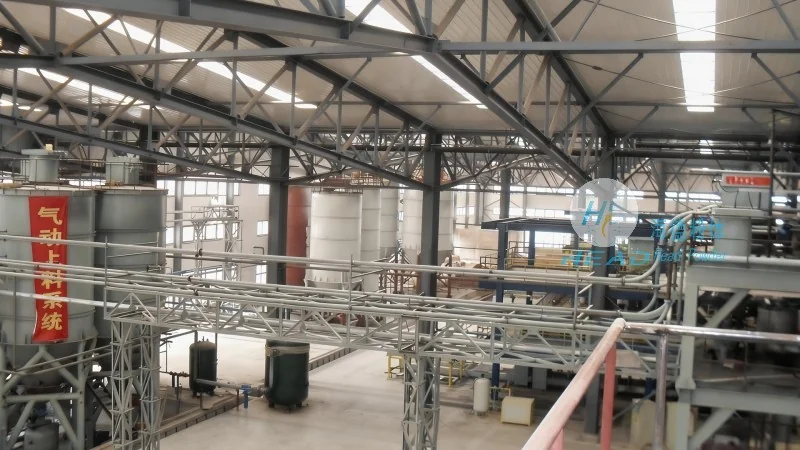
Classification of Pneumatic Conveying Systems for Magnesium Oxide
Pneumatic conveying systems for magnesium oxide are broadly classified into two main categories based on flow characteristics and pressure differentials: dilute-phase and dense-phase systems. Each type has distinct operational principles and is suitable for different material properties and application requirements.
1. Dilute-Phase Pneumatic Conveying: This system operates at relatively low pressure and high air velocity, suspending material in the air stream. It is suitable for materials with good flowability and low dust content. Key advantages include high conveying capacity and long-distance transport with minimal pressure drop. However, it requires larger air volumes and is more susceptible to pressure fluctuations.
2. Dense-Phase Pneumatic Conveying: Also known as low-pressure or pressure-pulse systems, dense-phase conveying operates at higher pressure and lower air velocity, conveying material in a dense slug or plug. Ideal for materials prone to bridging, agglomeration, or sensitive to high air velocities, this method offers better flow control, reduces product degradation, and is suitable for short to medium-distance conveying with high material density.
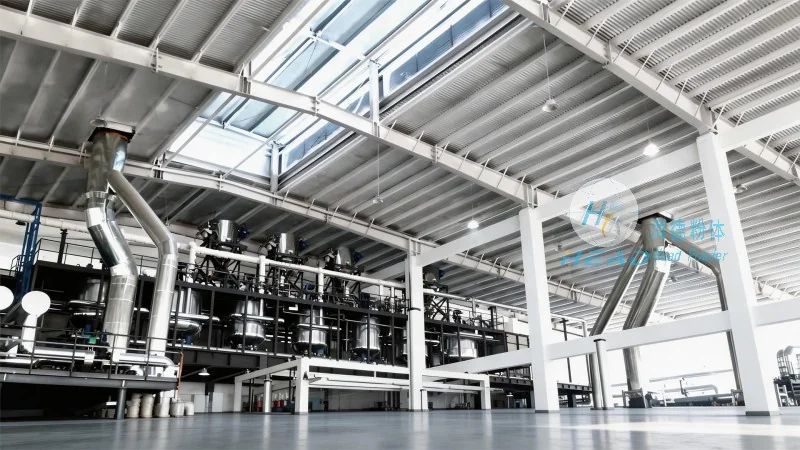
Key Components of Magnesium Oxide Pneumatic Conveying Systems
The effective operation of a magnesium oxide pneumatic conveying system relies on several critical components, each designed for specific functions in material handling. These components work in tandem to ensure efficient, safe, and reliable transportation.
1. Air Source and Compressors: The air source is typically a rotary lobe or screw compressor providing necessary pressure and air volume. For dilute-phase systems, higher air volumes are required, while dense-phase systems use lower volumes at higher pressures. Compressor type depends on system classification and material properties.
2. Feeding Equipment: Components like rotary valves or star feeders introduce magnesium oxide into the conveying line at a controlled rate. This ensures consistent material flow, preventing blockages and maintaining system efficiency. Feeder design must accommodate material flow characteristics, such as bulk density and angle of repose.
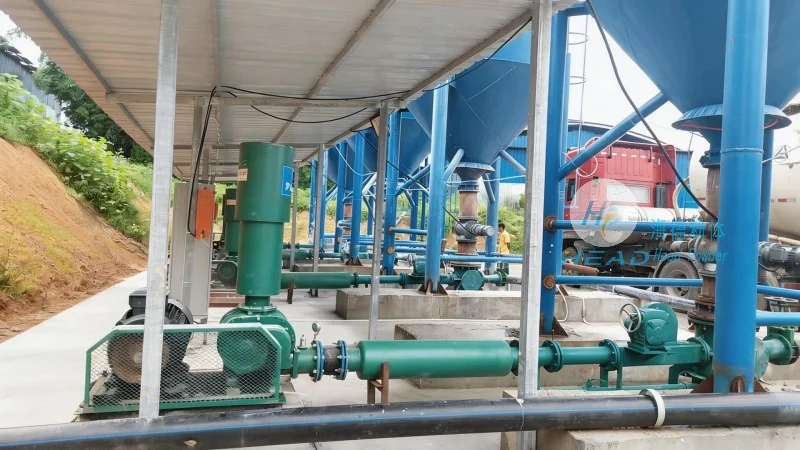
3. Conveying Lines and Pipework: Conveying lines are usually made of stainless steel or corrosion-resistant materials to handle MgO's chemical properties and prevent contamination. Pipe diameter and length are selected based on system design and material conveying characteristics. For long-distance conveying, pipes include bends, elbows, and expansion joints to accommodate direction changes and reduce pressure losses.
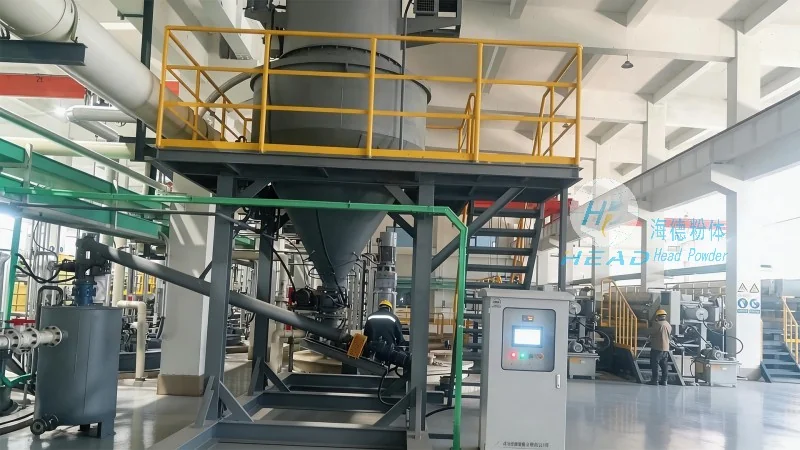
4. Separation and Collection Systems: At the receiving end, a separator or cyclone separates air from magnesium oxide particles. The separated material is collected in a hopper or storage silo. Separator design (size, number of stages) is critical for high separation efficiency and minimizing air leakage. For fine MgO particles, multi-stage cyclones or baghouse filters may be used to ensure complete separation and prevent dust emissions.
5. Control and Monitoring Systems: Modern systems include advanced control and monitoring systems to optimize performance and ensure safety. These systems may include pressure sensors, flow meters, and control valves regulating air flow and material feed rate. Real-time monitoring detects anomalies (e.g., pressure drops, air leaks) for prompt corrective actions, preventing downtime and product loss.
Application and Operational Considerations
The selection and design of a magnesium oxide pneumatic conveying system depend on factors like material properties, conveying distance, required throughput, and environmental regulations. For example, in the refractory industry (using MgO as a raw material), the system must handle large quantities over long distances while maintaining product quality. In the pharmaceutical industry (using MgO as an excipient), the system must minimize contamination and ensure product purity.
Operational considerations also include maintenance and cleaning. Fine MgO can accumulate in conveying lines and separators, causing blockages and reduced efficiency. Regular maintenance (e.g., cyclone cleaning, worn part replacement) is essential for smooth operation. Safety features like pressure relief valves and explosion-proof components are required to prevent accidents and ensure personnel safety.
Conclusion
Pneumatic conveying systems represent an efficient and reliable method for transporting magnesium oxide in industrial applications. Understanding system classification and components allows manufacturers to select appropriate technology for specific needs. Advances in system design and control technologies have enhanced performance and safety, making pneumatic conveying increasingly popular for handling fine powders like magnesium oxide. As demand for MgO grows across industries, developing more efficient and sustainable conveying systems remains a key focus for material handling solutions.