

Classification and Composition of Hydrogen Sulfide Pneumatic Conveying Systems
Hydrogen sulfide (H₂S) is a toxic and corrosive gas commonly encountered in industrial processes, particularly in the petroleum, chemical, and mining sectors. The safe and efficient handling of H₂S requires specialized equipment, and pneumatic conveying systems have emerged as a critical solution for transporting this hazardous material. This article provides an overview of the classification and key components of hydrogen sulfide pneumatic conveying systems, highlighting the importance of proper system design and implementation.
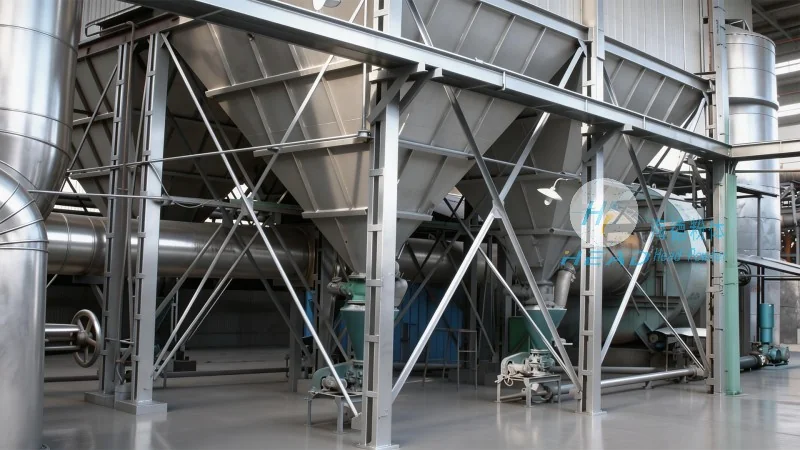
Classification of Hydrogen Sulfide Pneumatic Conveying Systems
Hydrogen sulfide pneumatic conveying systems can be broadly classified based on the method of air flow and the direction of material movement. The primary categories include:
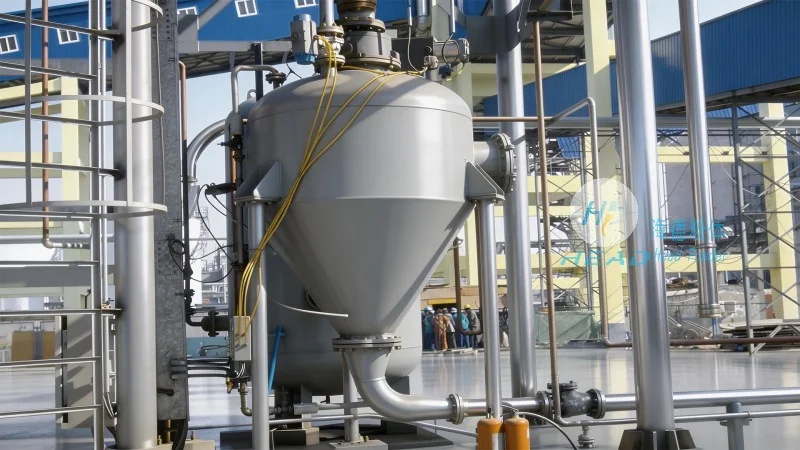
- Positive Pressure Systems: These systems use compressed air to push the material through the pipeline. The air is introduced at the material feed point, creating a positive pressure that propels the material forward. Positive pressure systems are commonly used for short to medium-distance conveying and are suitable for materials that are free-flowing and non-abrasive.
- Negative Pressure (Vacuum) Systems: In contrast, negative pressure systems use a vacuum to draw the material into the pipeline. The vacuum is created by a fan or blower at the discharge end, which pulls the material from the source. This type of system is ideal for long-distance conveying and for handling materials that are dusty or require a controlled environment.
- Combined Systems: Some applications may require a combination of both positive and negative pressure, often referred to as a "blow-and-draw" system. This approach allows for flexibility in conveying different materials over varying distances, optimizing both energy efficiency and material handling capabilities.
Key Components of Hydrogen Sulfide Pneumatic Conveying Systems
Regardless of the classification, hydrogen sulfide pneumatic conveying systems typically consist of several critical components that work in tandem to ensure safe and efficient operation. The main components include:
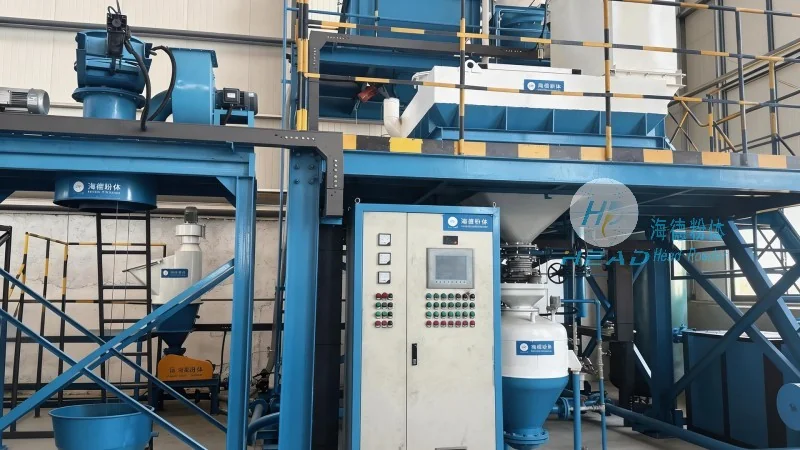
- Material Feed Unit: This component is responsible for introducing the hydrogen sulfide material into the conveying system. It may include a hopper, a rotary valve, or a feeder that controls the flow rate of the material. The feed unit must be designed to handle the corrosive and toxic nature of H₂S, often using materials such as stainless steel or special coatings to prevent degradation.
- Pneumatic Conveying Pipeline: The pipeline is the primary pathway for transporting the material and air. It is typically made of corrosion-resistant materials like stainless steel or plastic, to withstand the harsh environment of H₂S. The pipeline design must consider factors such as pressure drop, material velocity, and the risk of blockages or clogging.
- Air Supply System: This system provides the necessary air or gas to move the material through the pipeline. For positive pressure systems, a blower or compressor is used to generate the required pressure. For negative pressure systems, a vacuum pump or fan is employed to create the suction. The air supply system must be equipped with filters and moisture separators to ensure clean air and prevent contamination of the material.
- Control and Monitoring Equipment: To ensure safe operation, hydrogen sulfide pneumatic conveying systems are equipped with various control and monitoring devices. These may include pressure sensors, flow meters, temperature gauges, and alarm systems that alert operators to any deviations or potential hazards. Additionally, safety interlocks and emergency shut-off valves are integrated to prevent accidents and protect personnel.
- Discharge and Collection Unit: The discharge unit is responsible for releasing the material from the pipeline into its final destination, such as a storage tank or processing unit. It may include a rotary valve, a hopper, or a filter to separate the material from the air. The collection unit must be designed to handle the corrosive nature of H₂S and prevent any leakage or release of the gas.
Importance of Proper System Design and Implementation
The successful operation of a hydrogen sulfide pneumatic conveying system depends heavily on proper design and implementation. Factors such as the material's properties (e.g., particle size, density, and moisture content), the conveying distance, and the required flow rate must be carefully considered during the system design phase. Additionally, compliance with safety regulations and industry standards is crucial to ensure the protection of personnel and the environment.
Companies specializing in the design and manufacturing of hydrogen sulfide handling equipment, such as Shandong HeadPowder Engineering Co., Ltd. (commonly known as headpowder), play a vital role in providing tailored solutions for industrial applications. With expertise in material handling and safety, these companies offer comprehensive services, including system design, installation, and maintenance, to meet the specific needs of clients in the petroleum, chemical, and mining industries.
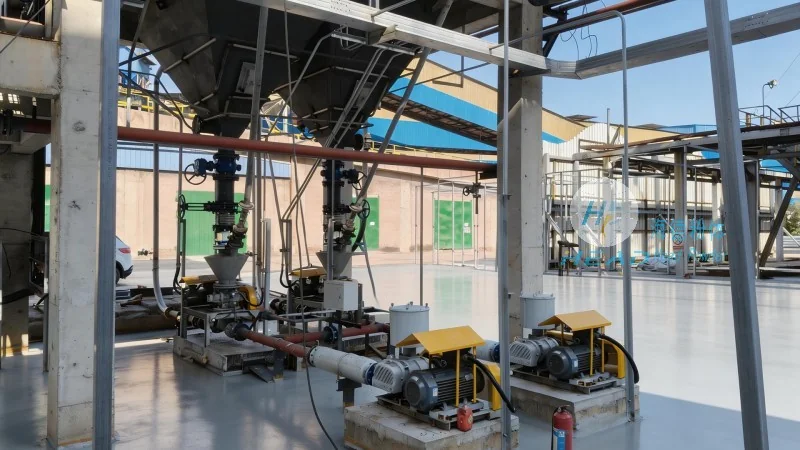
Shandong HeadPowder Engineering Co., Ltd., located in Shandong, China, is a leading provider of hydrogen sulfide pneumatic conveying systems. The company leverages advanced engineering and manufacturing capabilities to deliver high-quality, reliable equipment that meets the stringent requirements of H₂S handling. By focusing on innovation and customer satisfaction, headpowder has established itself as a trusted partner for industries requiring safe and efficient material transportation solutions.