

Classification and Composition of Nickel Sulfate Pneumatic Conveying Systems
Understanding the classification and composition of nickel sulfate pneumatic conveying systems is crucial for industries dealing with this chemical. The systems are designed to efficiently transport nickel sulfate, a key material in various industrial applications, from one location to another. This article provides a detailed overview of the different types of pneumatic conveying systems used for nickel sulfate and the essential components that make up these systems.
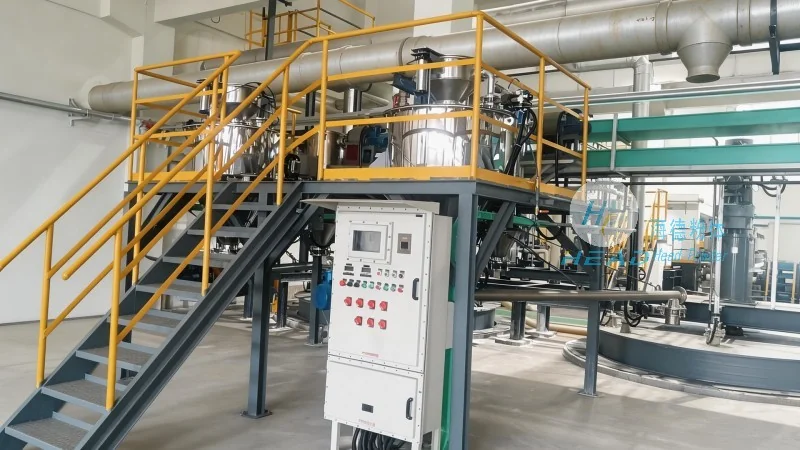
Introduction to Nickel Sulfate Pneumatic Conveying
Nickel sulfate is a widely used chemical in the production of nickel-based alloys, batteries, and other industrial products. The need for reliable and efficient transportation of this material has led to the development of specialized pneumatic conveying systems. These systems utilize air or other gases to move the material through a pipeline, offering advantages such as reduced labor costs, improved safety, and the ability to handle materials in hazardous environments.
Classification of Nickel Sulfate Pneumatic Conveying Systems
Pneumatic conveying systems for nickel sulfate can be broadly classified into two main categories: dilute-phase and dense-phase systems. Each type has distinct characteristics and is suitable for different operational conditions and material properties.
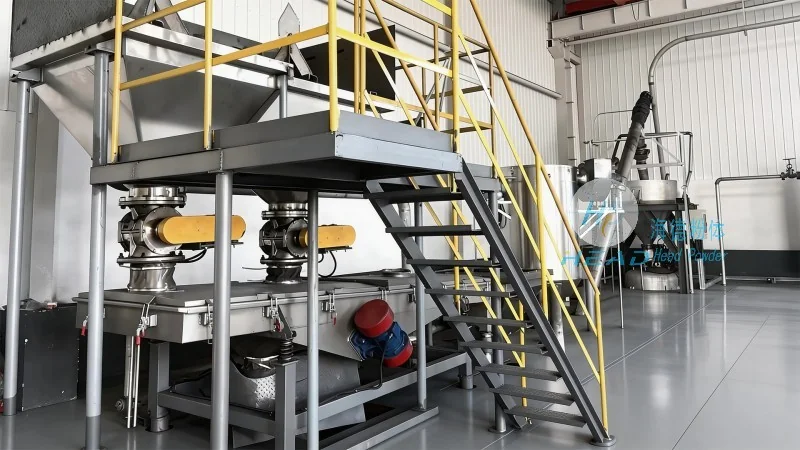
Dilute-Phase Pneumatic Conveying
Dilute-phase systems operate by suspending the nickel sulfate particles in a high-velocity air stream. The material is carried through the pipeline as a cloud of particles, with the air velocity typically exceeding the settling velocity of the particles. This method is suitable for transporting materials over long distances and at high flow rates. The system components include a positive displacement blower or a high-pressure compressor, a hopper for material storage, a feeder to control the material flow, and a pipeline network. The dilute-phase system is efficient for materials with low to medium density and is commonly used in applications where the material needs to be transported over several hundred meters.
Dense-Phase Pneumatic Conveying
Dense-phase systems, also known as low-velocity or slugging systems, transport the nickel sulfate in a more concentrated form. The material is moved in a slug of particles followed by a slug of air, creating a dense mixture. This method is ideal for handling materials that are prone to bridging or caking, as the higher pressure and lower velocity reduce the risk of blockages. The dense-phase system typically uses a positive displacement blower or a rotary lobe pump to generate the necessary pressure. The components include a storage silo, a feeder with a pressure regulator, a pipeline with a larger diameter to accommodate the dense mixture, and a receiver at the destination. Dense-phase systems are often preferred for short to medium distance transport and for materials that require gentle handling to prevent degradation.
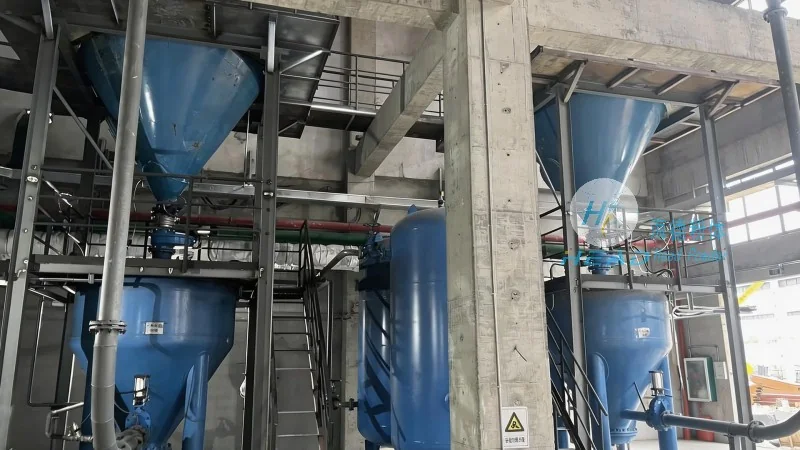
Key Components of Nickel Sulfate Pneumatic Conveying Systems
Regardless of the type of system, several key components are essential for the proper operation of nickel sulfate pneumatic conveying systems. These components work together to ensure efficient and safe material transport.
Material Hopper and Storage
The material hopper is the initial component where nickel sulfate is stored before being fed into the system. It is designed to hold a sufficient quantity of material to ensure continuous operation without frequent refilling. The hopper is typically made of stainless steel or other corrosion-resistant materials to prevent contamination and degradation of the nickel sulfate. Some hoppers are equipped with level indicators and sensors to monitor the material level and trigger the feeder when the level is low. The storage silo may also include a mixing or blending section to ensure uniform material properties before transport.
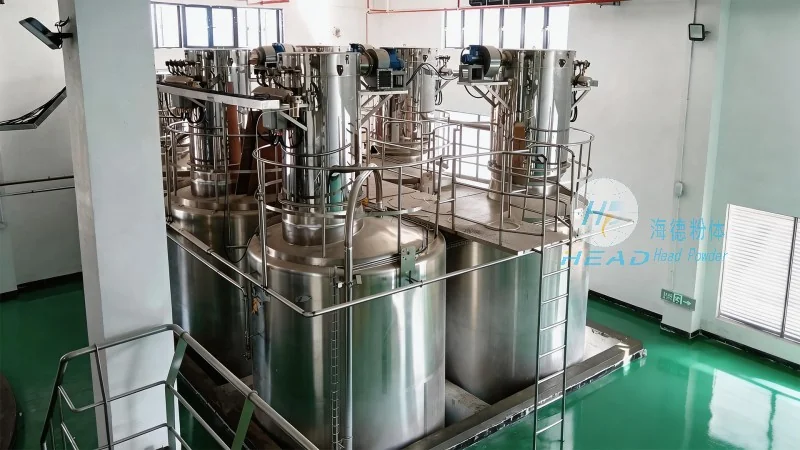
Feeder and Metering System
The feeder is a critical component that controls the flow rate of nickel sulfate into the conveying system. It ensures a consistent and controlled feed, which is essential for maintaining the desired air-to-material ratio and preventing overloading or underloading of the system. There are several types of feeders used in nickel sulfate pneumatic conveying, including rotary valves, screw feeders, and vibratory feeders. The choice of feeder depends on the material characteristics, such as particle size, flowability, and moisture content. For nickel sulfate, which can be hygroscopic and prone to caking, a rotary valve or a screw feeder with a high torque motor is often preferred to prevent blockages and ensure smooth operation. The feeder is usually equipped with a pressure regulator to maintain a constant pressure at the inlet of the pipeline, which helps in achieving stable conveying conditions.
Pneumatic Conveying Equipment
The core of the system is the pneumatic conveying equipment, which includes the air supply unit and the pipeline. The air supply unit can be a positive displacement blower or a high-pressure compressor, depending on the system type. The blower or compressor generates the necessary air pressure and flow rate to move the nickel sulfate particles through the pipeline. The pipeline is typically made of stainless steel or PVC, depending on the material's corrosiveness and the operating conditions. The pipeline diameter is chosen based on the material flow rate and the air velocity required to maintain the conveying condition. The pipeline may include bends, elbows, and tees to direct the material to the desired location. To prevent material buildup and corrosion, the pipeline is often equipped with cleaning mechanisms such as air cannons or sweep lines.