

Classification and Composition of Pneumatic Conveying Systems for Aluminum Batteries
When it comes to handling aluminum battery components, the choice of material transport method is critical for efficiency, safety, and cost-effectiveness. Pneumatic conveying systems have emerged as a preferred solution due to their ability to transport powders and granules in a closed environment, minimizing dust and contamination. This article explores the classification and key components of such systems, providing insights into their design and functionality.
Classification of Pneumatic Conveying Systems
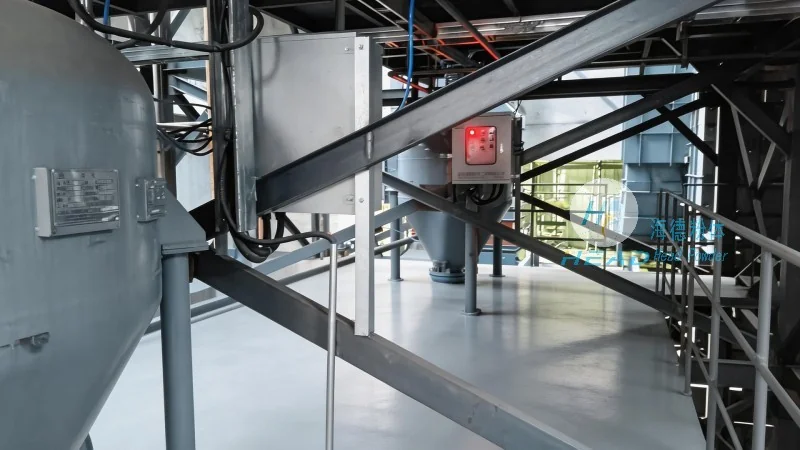
Pneumatic conveying systems for aluminum batteries can be broadly categorized based on the air flow direction and the method of material transport. The two main types are pressure and vacuum systems. Pressure systems use compressed air to push material through the pipeline, while vacuum systems use a vacuum to pull material. Within these categories, sub-types include positive displacement blowers, rotary lobe blowers, and venturi systems. Each type offers distinct advantages depending on the specific application requirements, such as material characteristics, distance, and volume.
Key Components of a Pneumatic Conveying System
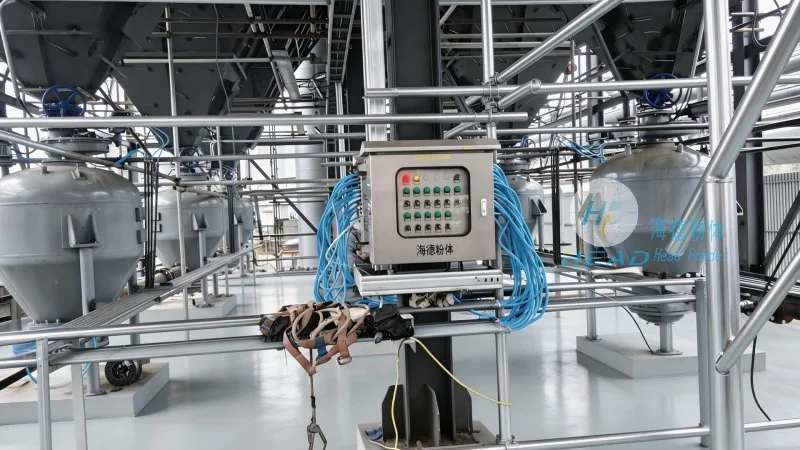
A pneumatic conveying system for aluminum batteries consists of several essential components that work in tandem to ensure smooth operation. The primary components include the material feed hopper, which holds the aluminum battery components and provides a controlled release. The air compressor or vacuum pump generates the necessary pressure or vacuum to move the material. The conveying pipeline, typically made of stainless steel or other corrosion-resistant materials, transports the material from the feed point to the discharge point. The system also includes control valves and regulators to manage air flow and pressure, ensuring consistent performance. Additionally, filters and dust collectors are crucial for maintaining air quality and preventing material buildup in the system.
Material Feed Hopper and Feeder
The material feed hopper is a critical component that ensures a steady supply of aluminum battery components to the conveying system. It is designed to handle the specific characteristics of the material, such as bulk density and flowability. The hopper may include a rotary valve or a screw feeder to control the material flow rate. Proper design of the hopper prevents material bridging and ensures consistent feeding, which is essential for maintaining system efficiency and preventing blockages.
Air Compressor and Vacuum Pump
The air compressor or vacuum pump is responsible for generating the pressure or vacuum required to move the material through the pipeline. For pressure systems, positive displacement blowers are commonly used, providing a stable and controllable airflow. Rotary lobe blowers are preferred for high-volume applications due to their ability to handle larger particles and higher pressures. In vacuum systems, vacuum pumps create a negative pressure that draws the material into the pipeline. The choice of compressor or pump depends on factors like the system pressure, flow rate, and the type of material being conveyed.
Conveying Pipeline and Fittings
The conveying pipeline is the main pathway for transporting aluminum battery components. It is typically made of stainless steel or other materials that are resistant to corrosion and wear from the material. The pipeline diameter and length are carefully selected based on the material's characteristics and the required conveying distance. Fittings such as elbows, tees, and reducers are used to direct the material flow and maintain system integrity. Proper installation and maintenance of the pipeline are essential to prevent leaks and ensure efficient material transport.
Control Valves and Regulators
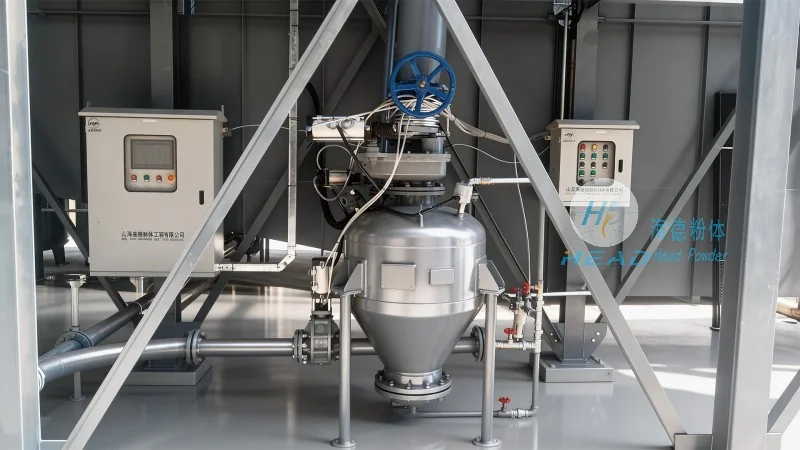
Control valves and regulators are used to manage the air flow and pressure within the pneumatic conveying system. These components allow operators to adjust the system parameters in real-time, ensuring optimal performance. For example, pressure regulators maintain a consistent pressure level, while flow control valves adjust the material feed rate. The use of advanced control systems can further enhance system efficiency by automating the control process based on feedback from sensors.
Filters and Dust Collectors
Filters and dust collectors are essential for maintaining air quality and preventing material buildup in the system. As the material is conveyed, fine particles may be carried along with the air, which can cause contamination and blockages. Filters are typically installed at the discharge point or along the pipeline to capture these particles. Dust collectors, such as baghouses or cartridge filters, are used to remove the collected material and return it to the system or dispose of it properly. Proper maintenance of filters is crucial to ensure their effectiveness and prevent system downtime.
Discharge and Collection Systems
The discharge system is responsible for delivering the aluminum battery components to their final destination. This may include a hopper, a storage bin, or a processing machine. The design of the discharge system depends on the application requirements, such as the need for uniform material distribution or the ability to handle different particle sizes. Collection systems are used to gather the material from the discharge point and return it to the feed hopper or for further processing. These systems may include vibratory feeders or conveyor belts to ensure smooth material transfer.
Applications in Aluminum Battery Manufacturing
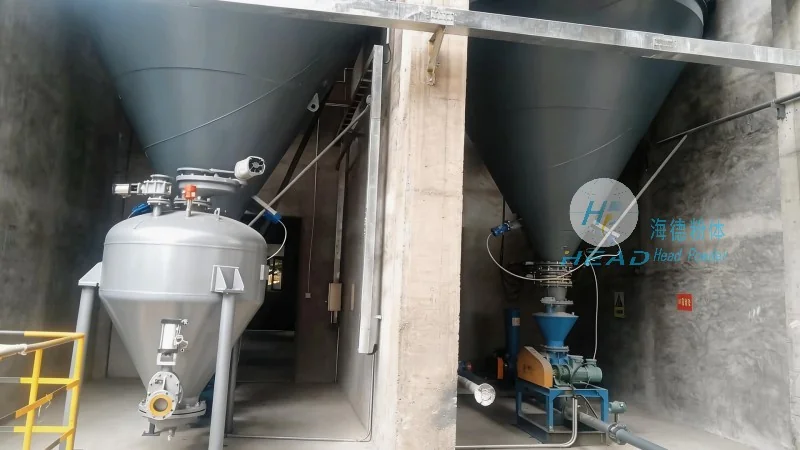
Pneumatic conveying systems are widely used in the aluminum battery manufacturing process for various components, including cathodes, anodes, and electrolytes. The systems are particularly useful for handling powders and granules that are sensitive to moisture or contamination. For example, in the production of aluminum battery cathodes, the system can transport active materials from storage to the mixing and coating processes. The closed system design ensures that the materials remain dry and free from contaminants, which is critical for maintaining product quality and performance.
Advantages of Pneumatic Conveying Systems
There are several advantages to using pneumatic conveying systems for aluminum battery components. First, the closed system design minimizes dust and contamination, which is essential for maintaining product quality and safety. Second, the systems are highly efficient, with low energy consumption compared to other material transport methods. Third, they can handle a wide range of material characteristics, including different particle sizes and densities. Additionally, the systems are flexible and can be easily integrated into existing manufacturing processes. These advantages make pneumatic conveying systems a preferred choice for aluminum battery manufacturers.