

Classification and Components of Powder Seasoning Pneumatic Conveying Systems
HeadPowder, a leading manufacturer based in Shandong, China, specializes in the design and production of advanced pneumatic conveying systems tailored for the powder seasoning industry. These systems are crucial for efficiently handling, transporting, and processing various powdered seasonings, ensuring product integrity and operational efficiency in food processing facilities. This article provides a detailed overview of the classification and key components of such systems, highlighting their role in modern seasoning production.
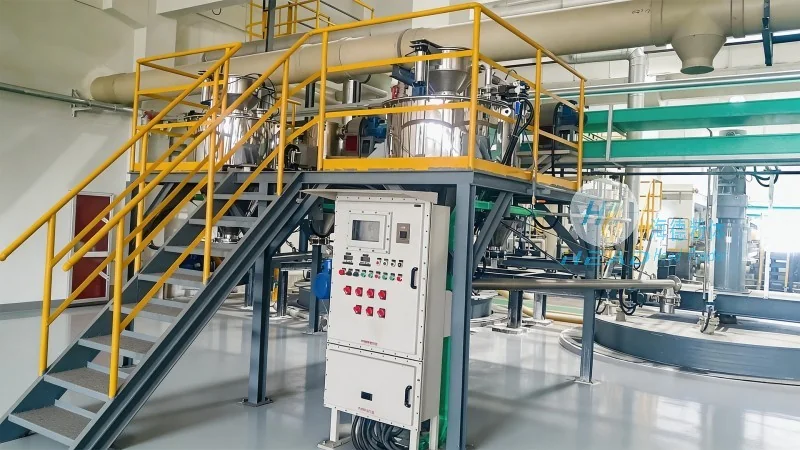
1. Classification of Powder Seasoning Pneumatic Conveying Systems
Pneumatic conveying systems for powdered seasonings are typically classified based on the pressure differential between the conveying line and the ambient environment. The primary categories include:
- Positive Pressure Systems: These systems operate by blowing air or a gas mixture into the conveying line, creating a pressure higher than the surrounding atmosphere. The air flow propels the powder particles through the pipeline. This method is effective for short to medium-distance transport and is commonly used when the powder is sensitive to moisture or contamination.
- Negative Pressure (Vacuum) Systems: In contrast, negative pressure systems create a vacuum within the conveying line, drawing the powder and air mixture into the system. This approach is suitable for longer distances and is often preferred when the powder needs to be transported from multiple sources or when the process requires a closed environment to prevent dust emissions.
Additionally, systems can be categorized by the type of air used: air-assisted or air-only. Air-assisted systems use a combination of air and a carrier gas (such as nitrogen or carbon dioxide) to enhance particle movement, especially for fine powders that might otherwise settle or clump during transport. This classification helps in selecting the most appropriate system based on the specific characteristics of the seasoning being handled and the operational requirements of the facility.
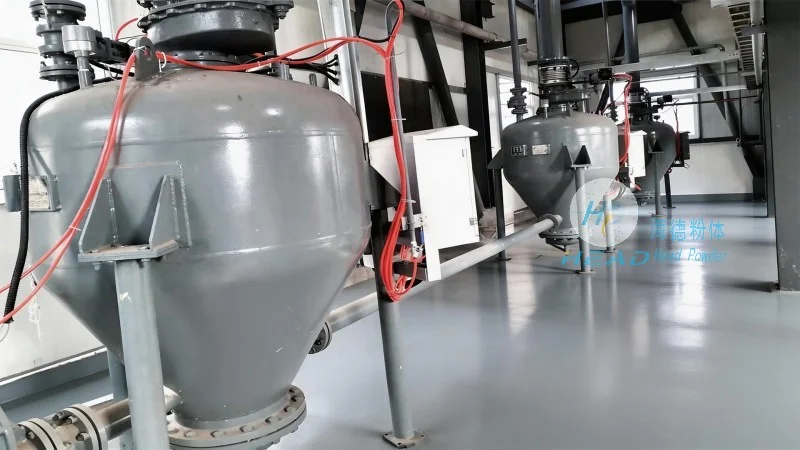
2. Key Components of a Typical Powder Seasoning Pneumatic Conveying System
Regardless of the classification, a standard powder seasoning pneumatic conveying system comprises several essential components that work in tandem to ensure reliable and efficient operation. These components are designed to handle the unique properties of powdered seasonings, such as their fine particle size, hygroscopic nature, and potential for dust generation.
2.1. Material Feeders and Hoppers
The system begins with a material feeder and a storage hopper. The hopper is used to store the bulk quantity of powdered seasoning, while the feeder regulates the flow of material into the conveying line. For fine powders, a rotary valve or a star feeder is often employed to ensure a consistent and controlled feed rate. This component is critical as it prevents overloading the system and maintains the integrity of the powder by avoiding excessive agitation or compaction.
2.2. Pneumatic Conveying Lines and Tubing
The conveying lines are the backbone of the system, responsible for transporting the powder from the feeder to the destination point. These lines are typically made of stainless steel or food-grade plastic to ensure durability and compliance with hygiene standards. The diameter and length of the lines are carefully selected based on the powder's flow characteristics and the required transport distance. For longer distances, the lines may include bends, elbows, or expansion joints to accommodate changes in direction and reduce pressure losses.
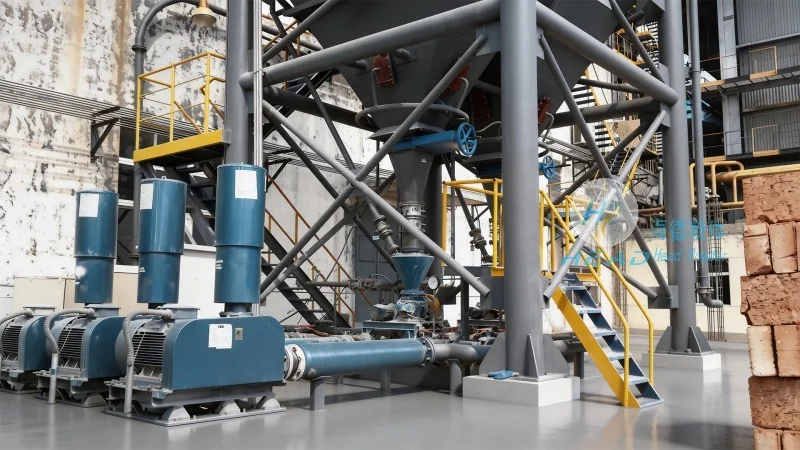
2.3. Air Supply and Compressors
The air supply system provides the necessary pressure or vacuum to move the powder. In positive pressure systems, a high-pressure compressor generates the air, while in negative pressure systems, a vacuum pump creates the suction. The air is often filtered and dried to remove moisture and contaminants, as these can affect the quality of the seasoning and the performance of the system. The compressor or vacuum pump is typically equipped with a control panel that allows for adjustments to the air flow rate, ensuring optimal operation under varying load conditions.
2.4. Separation and Collection Equipment
At the receiving end of the system, separation equipment is used to separate the powder from the air stream. This is typically achieved through a cyclone separator or a bag filter. The cyclone uses centrifugal force to separate the heavier powder particles from the lighter air, while the bag filter captures fine dust particles. The collected powder is then discharged into a receiving hopper or storage container, ready for further processing or packaging. This component is essential for maintaining a clean and safe working environment by preventing dust emissions and ensuring product purity.
2.5. Control and Monitoring Systems
Modern pneumatic conveying systems are equipped with advanced control and monitoring systems to ensure efficient and safe operation. These systems typically include sensors to monitor pressure, flow rate, and temperature, as well as control valves to regulate the air supply and material feed. The control panel allows operators to adjust parameters in real-time, respond to system changes, and prevent issues such as overpressure or underflow. Additionally, some systems may include alarms and safety interlocks to detect and address potential problems before they cause damage or product loss. This level of automation enhances operational efficiency and reduces the risk of human error in handling sensitive powders.
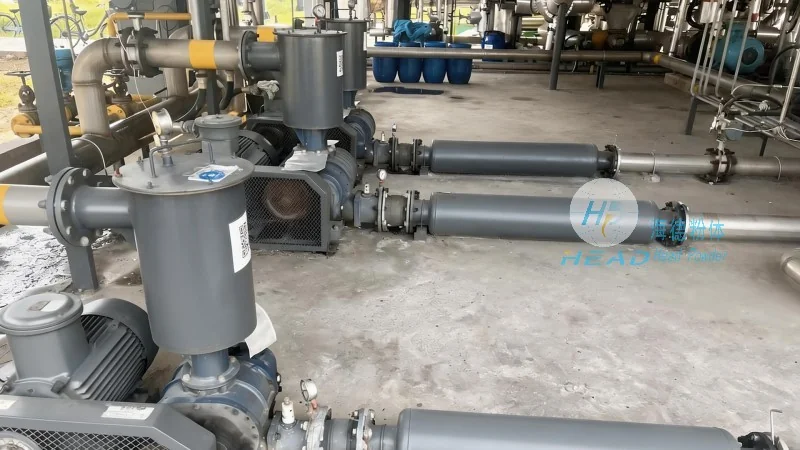
3. Application and Benefits of Powder Seasoning Pneumatic Conveying Systems
The classification and components of powder seasoning pneumatic conveying systems are designed to address the specific challenges of handling fine, hygroscopic powders. By using a closed system with controlled air flow, these systems offer several key benefits that enhance the overall efficiency and quality of seasoning production. These benefits include:
- Improved Product Integrity: The closed system prevents exposure to moisture, air, and contaminants, which can degrade the flavor, color, and texture of the seasoning. This is particularly important for sensitive ingredients like spices and herbs.
- Enhanced Hygiene and Safety: The enclosed design reduces dust emissions, minimizing the risk of inhalation by workers and preventing contamination of the surrounding environment. This is crucial in food processing facilities where hygiene standards are strictly regulated.
- Increased Operational Efficiency: The automated control systems allow for consistent and continuous operation, reducing downtime and labor costs. The ability to transport powders over long distances without the need for manual handling or intermediate storage improves overall productivity.
- Flexibility and Scalability: The modular design of these systems allows for easy expansion or modification to accommodate changes in production volume or product lines. This flexibility is essential for businesses that may need to adapt to market demands or introduce new seasoning varieties.
HeadPowder's expertise in designing and manufacturing these systems ensures that clients receive solutions tailored to their specific needs. By leveraging advanced technology and materials, the company provides reliable and efficient pneumatic conveying systems that meet the highest standards of quality and performance in the powder seasoning industry.