

Classification and Composition of Perlite Pneumatic Conveying Systems
Perlite pneumatic conveying systems are essential equipment in industrial processes, particularly for handling perlite materials efficiently. These systems are designed to transport perlite from one location to another using air as the conveying medium. Understanding the classification and composition of such systems is crucial for selecting the right equipment for specific applications.
Introduction to Perlite Pneumatic Conveying Systems
Perlite, a naturally occurring volcanic glass, is widely used in various industries due to its lightweight and insulating properties. The efficient handling of perlite is critical for maintaining product quality and operational efficiency. Pneumatic conveying systems offer a non-contact, low-maintenance method for transporting perlite, making them a preferred choice in many industrial settings. This article provides an overview of the classification and key components of perlite pneumatic conveying systems.
Classification of Perlite Pneumatic Conveying Systems
Perlite pneumatic conveying systems can be classified based on several factors, including the conveying method, pressure level, and system configuration. The primary classification is into two main categories: pressure and vacuum systems.
Pressure Pneumatic Conveying Systems
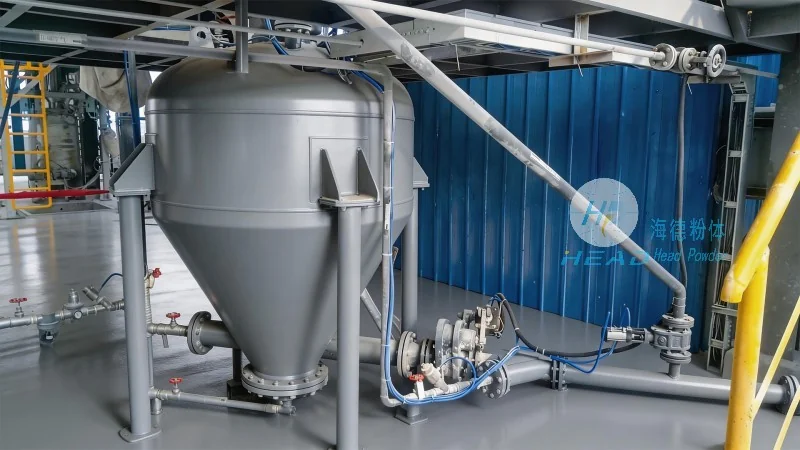
Pressure systems use compressed air to push the material through the pipeline. They are suitable for long-distance and high-capacity transport. These systems typically operate at pressures ranging from 1 to 10 bar, depending on the material properties and pipeline length. The main components of a pressure system include a positive displacement blower or compressor, a material feed hopper, a rotary valve, and a pipeline network.
Vacuum Pneumatic Conveying Systems
Vacuum systems use a vacuum pump to draw the material into the pipeline. They are ideal for short-distance and low-capacity applications, as well as for handling materials that are sensitive to pressure. These systems operate at pressures below atmospheric, typically ranging from -0.5 to -1 bar. The key components include a vacuum pump, a material feed hopper with a rotary valve, and a pipeline network.
Classification by Material Handling Method
Another classification approach is based on the method of material introduction into the pipeline. This includes dilute phase, dense phase, and hybrid systems.
Dilute Phase Conveying
Dilute phase systems transport material in a low concentration of particles suspended in air. This method is suitable for fine powders and requires high air velocities to maintain particle suspension. The system components include a high-velocity blower, a feed hopper with a rotary valve, and a pipeline with appropriate diameter and length.
Dense Phase Conveying
Dense phase systems transport material in a higher concentration, with particles moving in a more solid-like state. This method is ideal for handling coarse or abrasive materials, as it reduces wear and tear on equipment. The system typically uses a low-velocity blower and a larger pipeline diameter to ensure stable flow.
Hybrid Conveying Systems
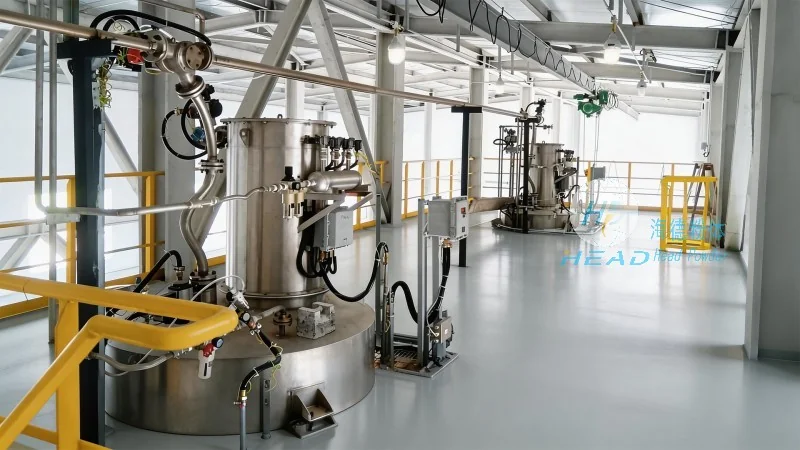
Hybrid systems combine elements of both dilute and dense phase operations. They are designed to optimize performance for specific material characteristics and application requirements. These systems often use a combination of pressure and vacuum components to achieve efficient material transport.
Key Components of Perlite Pneumatic Conveying Systems
Regardless of the classification, perlite pneumatic conveying systems consist of several critical components that work together to ensure efficient operation. The main components include:
Material Feed System
The material feed system is responsible for introducing perlite into the conveying pipeline. It typically includes a hopper, a rotary valve, and sometimes a feeder or feeder screw. The hopper stores the perlite and provides a consistent feed rate. The rotary valve controls the flow of material into the pipeline, preventing backflow and ensuring smooth operation. The feeder or feeder screw may be used for fine materials to maintain a uniform feed rate.
Conveying Medium (Air Handling Unit)
The air handling unit is the heart of the pneumatic conveying system, responsible for generating the necessary air pressure or vacuum. For pressure systems, a positive displacement blower or compressor is used to deliver compressed air. For vacuum systems, a vacuum pump is employed to create the required vacuum. The air handling unit also includes filters and moisture separators to ensure clean air and prevent contamination of the perlite.
Pipeline Network
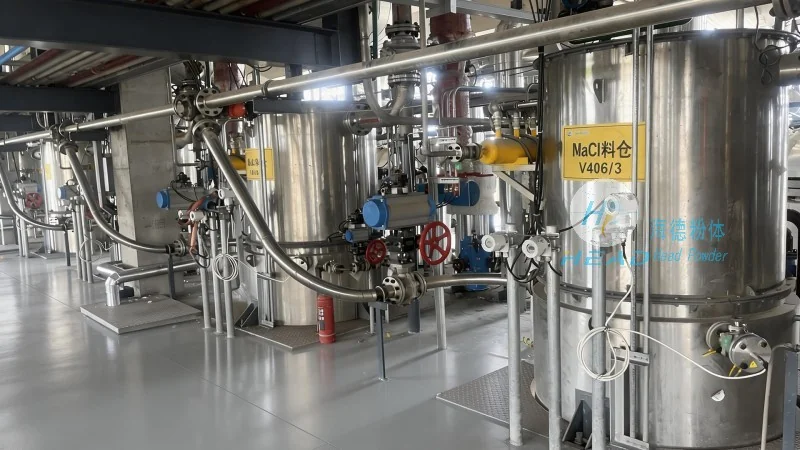
The pipeline network is the conduit through which the perlite and air travel. The design of the pipeline, including diameter, length, and bends, is critical for maintaining system efficiency. The pipeline is typically made of materials such as stainless steel or plastic, chosen based on the material's properties and the system's operating conditions. The pipeline may include fittings, valves, and sensors to control flow and monitor system performance.
Control and Monitoring Systems
Control and monitoring systems are essential for managing the operation of the pneumatic conveying system. These systems include sensors for pressure, flow, and level, as well as control panels for adjusting system parameters. The control system ensures that the system operates within safe and efficient parameters, preventing overloading or underperformance. Monitoring systems provide real-time data on system performance, allowing for timely maintenance and adjustments.
Applications and Benefits of Perlite Pneumatic Conveying Systems
Perlite pneumatic conveying systems are widely used in various industries due to their efficiency and versatility. The systems are particularly suitable for applications involving fine or abrasive materials, where traditional conveying methods may be less effective. The benefits of using pneumatic conveying systems for perlite include:
1. Non-Contact Handling: The system does not require physical contact with the material, reducing wear and tear on equipment and maintaining product purity.
2. Low Maintenance: Pneumatic conveying systems have fewer moving parts compared to mechanical conveying systems, resulting in lower maintenance costs and downtime.
3. Energy Efficiency: Modern systems use energy-efficient blowers and compressors, reducing operational costs and environmental impact.
4. Flexibility: The systems can be easily modified or expanded to accommodate changing production needs or material types.
5. Product Quality: The non-contact nature of the system helps maintain the quality and properties of the perlite, which is critical for applications such as insulation and filtration.
Conclusion
Perlite pneumatic conveying systems are a vital component in the efficient handling of perlite materials. Understanding the classification and composition of these systems is essential for selecting the right equipment for specific industrial applications. The key components, including the material feed system, air handling unit, pipeline network, and control systems, work together to ensure efficient and reliable operation. As technology advances, these systems continue to evolve, offering improved performance and cost-effectiveness for industrial users.