

Classification and Composition of Polyurethane Pneumatic Conveying Systems
At Shandong HeadPowder Engineering Co., Ltd., we specialize in the design, manufacturing, and application of polyurethane pneumatic conveying systems. These systems are essential for efficient material handling in various industrial sectors, offering reliable and flexible solutions for transporting powders and bulk materials. Understanding the classification and composition of these systems is crucial for selecting the right equipment for specific operational needs.
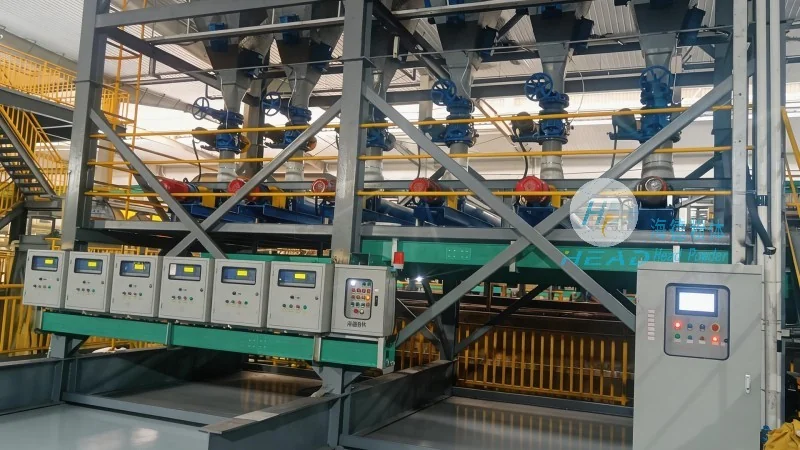
Overview of Polyurethane Pneumatic Conveying Systems
Polyurethane pneumatic conveying systems utilize air or gas to transport bulk materials from one location to another. Unlike traditional mechanical conveyors, these systems are ideal for handling fine powders, granules, and other materials that are prone to dust or require gentle handling. The core advantage lies in their ability to minimize material degradation, reduce contamination, and maintain product integrity throughout the conveying process.
Classification of Polyurethane Pneumatic Conveying Systems
Based on the conveying principle and application, polyurethane pneumatic conveying systems can be classified into several types. The primary categories include pressure systems, vacuum systems, and combined systems. Each type is designed to address different material characteristics and operational requirements.
Pressure Pneumatic Conveying Systems
Pressure systems operate by blowing air or gas into the conveying line under pressure. This method is commonly used for short to medium-distance transport of materials with low to moderate moisture content. The system typically consists of a positive displacement blower, a hopper for material storage, and a series of polyurethane pipes and fittings. The pressure generated by the blower ensures that the material is pushed through the system, making it suitable for applications where the material needs to be conveyed against gravity or over obstacles.
Vacuum Pneumatic Conveying Systems
Vacuum systems, on the other hand, create a negative pressure environment to draw materials into the conveying line. This approach is ideal for long-distance transport or when the material needs to be collected from multiple points. The system includes a vacuum pump, a collection hopper, and a network of polyurethane ducts. The vacuum effect pulls the material into the system, allowing for efficient collection and transport without the need for additional material handling at the source.
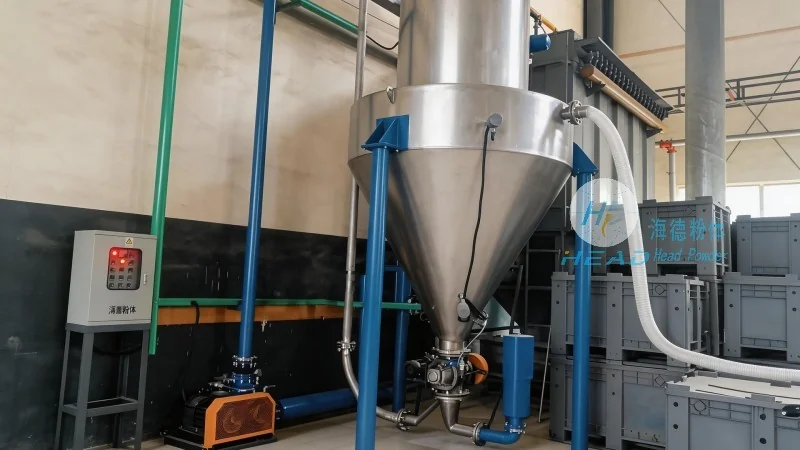
Combined Pneumatic Conveying Systems
Combined systems integrate both pressure and vacuum capabilities, providing flexibility for various operational scenarios. These systems can switch between pressure and vacuum modes depending on the material and distance requirements. This versatility makes them suitable for complex applications where different sections of the conveying line may require different operational conditions.
Key Components of Polyurethane Pneumatic Conveying Systems
The effectiveness of a polyurethane pneumatic conveying system depends on its key components, each designed to ensure optimal performance and durability. The main components include:
Polyurethane Hoppers and Feeders
The hopper is the initial component where material is stored before being conveyed. Polyurethane hoppers are designed with smooth, non-stick surfaces to prevent material buildup and ensure consistent feeding. The feeder, often a rotary valve or a screw feeder, regulates the flow of material into the conveying line. These components are critical for maintaining a steady flow rate and preventing blockages.
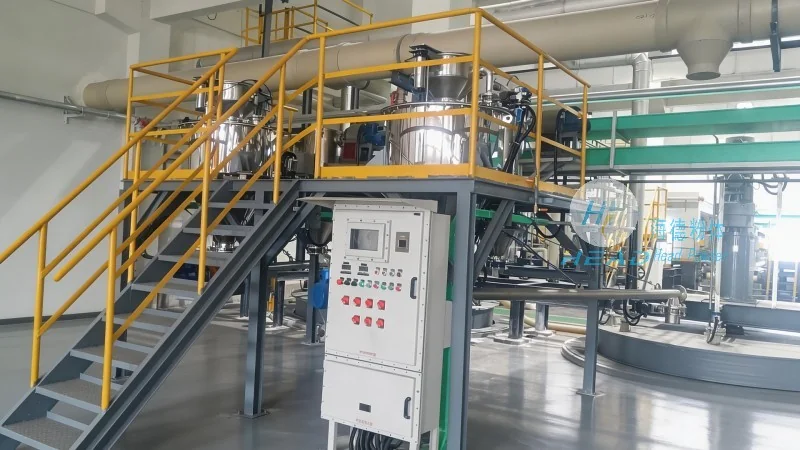
Polyurethane Conveying Pipes and Fittings
The conveying pipes and fittings are the backbone of the system, responsible for transporting the material through the entire line. Polyurethane is chosen for its excellent abrasion resistance, chemical resistance, and flexibility, which makes it ideal for handling abrasive materials and ensuring long service life. The pipes are typically connected using quick-release fittings or flanged connections, allowing for easy installation and maintenance.
Blowers and Vacuum Pumps
The blower or vacuum pump is the power source that generates the air or gas flow necessary for conveying. Positive displacement blowers are commonly used in pressure systems, while rotary vane or liquid ring pumps are used in vacuum systems. These components are selected based on the material's properties, conveying distance, and required flow rate. Proper selection ensures efficient operation and minimal energy consumption.
Control Systems and Valves
The control system manages the operation of the entire conveying process, including the blower speed, material feed rate, and system pressure. It typically includes sensors, controllers, and valves that regulate the flow of air and material. The valves, such as check valves or flow control valves, help maintain system pressure and prevent backflow, ensuring smooth and reliable operation.
Application Examples and Benefits
Polyurethane pneumatic conveying systems are widely used in various industries, including food processing, pharmaceuticals, chemicals, and mining. The benefits of these systems include reduced labor costs, improved material handling efficiency, and enhanced product quality. For example, in the food industry, polyurethane systems are used to transport powders like flour or sugar, ensuring that the product remains free from contamination and maintains its quality. In the pharmaceutical industry, the systems are used to handle active ingredients and other sensitive materials, where product integrity is paramount.