

Classification and Composition of PVC Resin Pneumatic Conveying Systems
When discussing the efficient handling and transportation of PVC resin, pneumatic conveying systems emerge as a critical technology. These systems utilize air or gas to move bulk materials like PVC resin from one location to another, offering advantages such as reduced labor costs, enhanced safety, and improved process control. The design and implementation of these systems depend on various factors, including the material properties of PVC resin, the distance and height of the conveying path, and the required flow rate. Understanding the classification and composition of PVC resin pneumatic conveying systems is essential for selecting the most suitable solution for specific industrial applications.
Classification of PVC Resin Pneumatic Conveying Systems
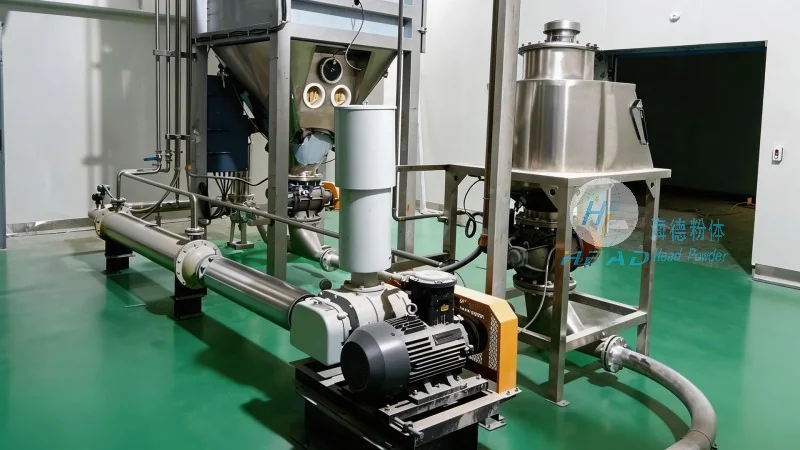
PVC resin pneumatic conveying systems can be broadly classified based on the conveying principle and the pressure used. The primary categories include pressure systems, vacuum systems, and mixed systems. Pressure systems operate by blowing air or gas into the conveying line under positive pressure, typically using a positive displacement blower or a rotary lobe blower. These systems are suitable for conveying PVC resin over longer distances and at higher flow rates. Vacuum systems, on the other hand, create a negative pressure in the conveying line by using a vacuum pump, which draws the PVC resin into the system. This type of system is often used for short-distance conveying or when the material needs to be collected from multiple points. Mixed systems combine elements of both pressure and vacuum systems, offering flexibility in handling different material characteristics and conveying requirements. The choice of classification depends on the specific operational needs and the physical constraints of the application.
Key Components of PVC Resin Pneumatic Conveying Systems
Regardless of the classification, PVC resin pneumatic conveying systems consist of several essential components that work together to ensure efficient operation. The main components include the material feed system, the conveying line, the air or gas supply system, and the material discharge system. The material feed system is responsible for introducing the PVC resin into the conveying line, often using a hopper or a rotary valve to control the flow rate. The conveying line, typically made of stainless steel or other corrosion-resistant materials, transports the PVC resin and air mixture. The air or gas supply system provides the necessary pressure or vacuum to move the material, with components such as blowers, vacuum pumps, and air compressors. The material discharge system collects the PVC resin at the end of the conveying line, using a receiver or a silo to store the material. Additionally, auxiliary components such as filters, cyclones, and separators are used to remove any dust or debris from the air stream, ensuring a clean and efficient operation. Each component plays a crucial role in the overall performance and reliability of the PVC resin pneumatic conveying system.
Material Feed System for PVC Resin Conveying
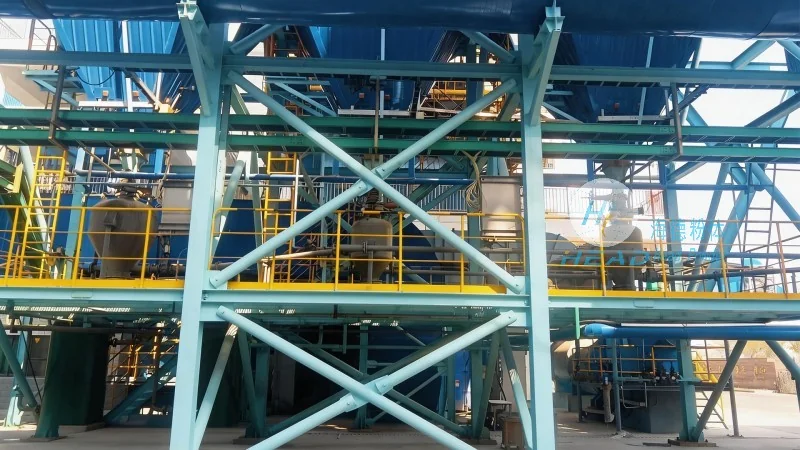
The material feed system is a critical component of the PVC resin pneumatic conveying system, as it directly influences the flow rate and consistency of the material being conveyed. For PVC resin, which can be in the form of pellets, powder, or granules, the feed system must be designed to handle the specific characteristics of the material. Common feed mechanisms include rotary valves, star feeders, and screw feeders. Rotary valves are widely used due to their ability to control the flow rate accurately and prevent material backflow. They are particularly suitable for handling PVC resin pellets or granules, as they can maintain a consistent feed rate even under varying pressure conditions. Star feeders, on the other hand, are used for finer materials like PVC resin powder, providing a uniform feed by rotating a star-shaped impeller. Screw feeders are also used for granular materials, using a screw to push the material into the conveying line. The choice of feed mechanism depends on the material's properties, such as particle size, density, and flowability, as well as the required flow rate and system pressure. Properly designed and maintained feed systems ensure that the PVC resin is introduced into the conveying line without blockages or uneven flow, which can lead to system inefficiencies or damage to the equipment.
Conveying Line and Material Transport
The conveying line is the core of the PVC resin pneumatic conveying system, responsible for transporting the PVC resin and air mixture from the feed point to the discharge point. The design of the conveying line is crucial for maintaining the efficiency and reliability of the system. The line is typically made of stainless steel or other corrosion-resistant materials to withstand the chemical properties of PVC resin and the abrasive nature of the material. The diameter and length of the conveying line are determined based on the flow rate, conveying distance, and the pressure or vacuum required. For pressure systems, the line diameter is usually larger to accommodate higher air flow rates, while for vacuum systems, a smaller diameter may be used to maintain sufficient suction. The line is also equipped with bends, elbows, and straight sections to guide the material along the desired path. The bends are designed with a large radius to minimize the impact on the material's velocity and prevent material deposition or blockages. The straight sections are used to maintain the air and material mixture's uniformity, ensuring consistent flow throughout the conveying process. The conveying line is connected to the feed and discharge systems using appropriate fittings and connectors, which are designed to prevent air leakage and material loss. Proper maintenance of the conveying line, including regular cleaning and inspection, is essential to prevent clogging and ensure long-term system performance.
Air or Gas Supply System
The air or gas supply system is responsible for providing the necessary pressure or vacuum to move the PVC resin through the conveying line. The choice of the air supply system depends on the type of pneumatic conveying system being used. For pressure systems, positive displacement blowers or rotary lobe blowers are commonly used. Positive displacement blowers, such as roots blowers or screw blowers, are capable of delivering high pressure and volume, making them suitable for long-distance conveying of PVC resin. Rotary lobe blowers, on the other hand, offer high efficiency and low noise operation, which is beneficial for industrial environments. For vacuum systems, vacuum pumps are used to create a negative pressure in the conveying line. The type of vacuum pump, such as a rotary vane pump or a liquid ring pump, is selected based on the required vacuum level and the system's operating conditions. The air or gas supply system also includes components such as air filters, regulators, and dampers, which are used to control the air flow and pressure. Air filters are essential to remove any contaminants from the air stream, preventing them from entering the conveying line and damaging the equipment or contaminating the PVC resin. Regulators are used to maintain a stable pressure or vacuum level, ensuring consistent material flow. Dampers are used to control the air flow rate, allowing for adjustments based on the system's operational needs. The air supply system must be designed to handle the specific requirements of the PVC resin, such as the material's density and flowability, to ensure efficient and reliable operation.
Material Discharge System
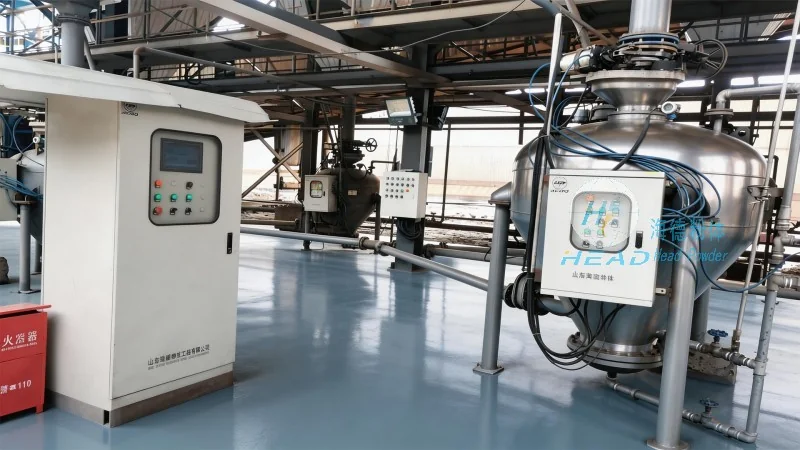
The material discharge system is the final component of the PVC resin pneumatic conveying system, responsible for collecting the PVC resin at the end of the conveying line. The discharge system is designed to handle the material's properties, such as its particle size and flowability, to ensure a smooth and efficient discharge process. Common discharge mechanisms include receivers, silos, and rotary valves. Receivers are used to collect the PVC resin from the conveying line and store it temporarily before further processing. They are typically made of stainless steel or other corrosion-resistant materials and are equipped with a hopper or a bin to hold the material. Silos are used for larger storage capacities, allowing for the accumulation of large quantities of PVC resin. Rotary valves are often used as the discharge mechanism from the receiver or silo, controlling the flow rate of the material to the next processing stage. The discharge system must be designed to prevent material backflow and ensure a consistent flow rate, which is crucial for maintaining the efficiency of the downstream processes. Properly designed and maintained discharge systems ensure that the PVC resin is collected without any loss or contamination, which is essential for maintaining product quality and system performance.
Auxiliary Components and System Maintenance
In addition to the main components, PVC resin pneumatic conveying systems often include auxiliary components that enhance the system's performance and reliability. These components include filters, cyclones, and separators, which are used to remove any dust or debris from the air stream. Filters are typically installed at the discharge end of the system, capturing the fine particles and preventing them from being released into the environment. Cyclones are used to separate the material from the air stream by utilizing centrifugal force, allowing the material to be collected and the air to be discharged. Separators are used for finer materials, such as PVC resin powder, to achieve a higher level of separation efficiency. These auxiliary components are essential for maintaining a clean and efficient operation, as they prevent the accumulation of dust or debris in the system, which can lead to blockages or equipment damage. Regular maintenance of these components is necessary to ensure their effectiveness. The maintenance of the entire PVC resin pneumatic conveying system involves regular inspection, cleaning, and replacement of worn parts. This includes checking the condition of the conveying line, the performance of the air supply system, and the efficiency of the auxiliary components. Proper maintenance is crucial for extending the system's lifespan and ensuring consistent performance over time.