

Introduction to Rice Husk Conveying Systems and the Advantages of Pneumatic Rice Husk Transport
When it comes to efficiently handling rice husk, a reliable conveying system is essential for optimizing processing operations. The rice husk conveying system, particularly the pneumatic type, offers significant advantages in terms of efficiency, flexibility, and cost-effectiveness. This article provides an overview of the rice husk conveying system, highlighting its key features and the benefits of pneumatic transport for rice husk material handling.
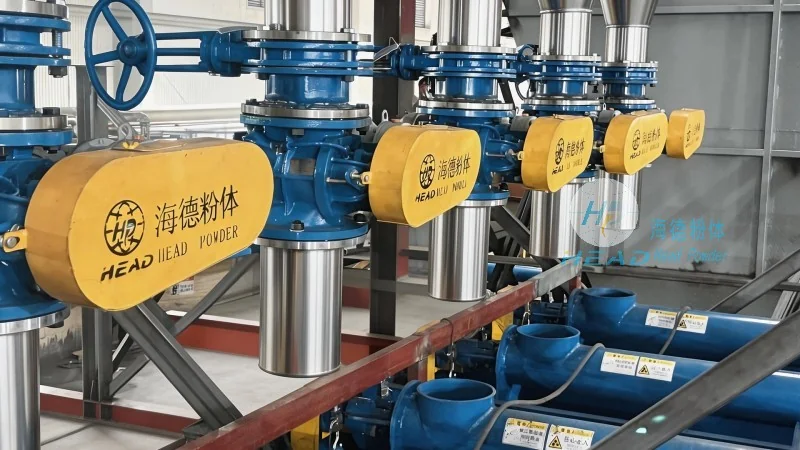
Understanding the Rice Husk Conveying System
The rice husk conveying system is designed to transport rice husk from one location to another within a processing facility. It typically consists of components such as hoppers, feeders, conveying pipes, and dust collection systems. The system is engineered to handle the unique characteristics of rice husk, including its lightweight, aerated nature and potential for dust generation. By integrating these components, the system ensures a smooth and continuous flow of rice husk, minimizing downtime and maximizing productivity.
Pneumatic Rice Husk Conveying: Key Advantages
Among the various conveying methods available, pneumatic conveying stands out as a preferred choice for rice husk transport. This technology utilizes air pressure to move the material through a closed pipeline system. The primary advantages of pneumatic rice husk conveying include: enhanced material handling efficiency, reduced labor costs, and improved safety compared to traditional methods like belt conveyors or manual handling. Additionally, pneumatic systems offer greater flexibility in terms of layout and can be easily integrated with other processing equipment.
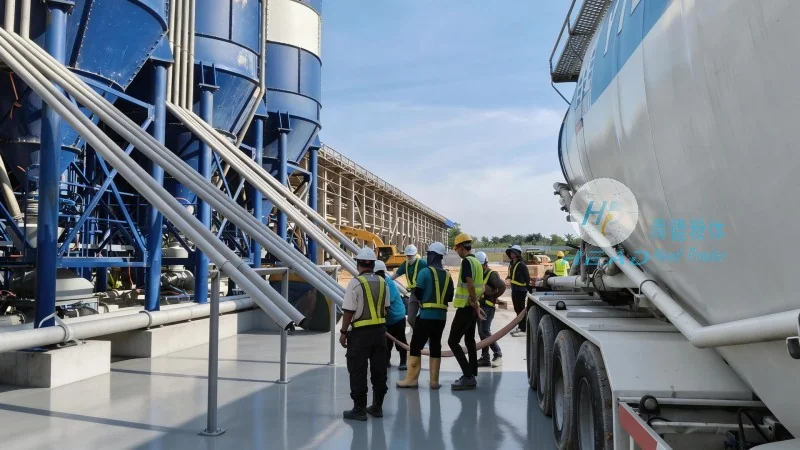
Components of a Pneumatic Rice Husk Conveying System
A typical pneumatic rice husk conveying system comprises several critical components. The system starts with a hopper or feeder that stores and feeds the rice husk into the conveying line. The feeder ensures a consistent flow of material, preventing blockages and maintaining system efficiency. The conveying pipes are usually made of durable materials like stainless steel or high-density polyethylene to withstand the abrasive nature of rice husk and resist corrosion. At the receiving end, a dust collector is often included to capture and filter the air, ensuring compliance with environmental regulations and maintaining a clean working environment.
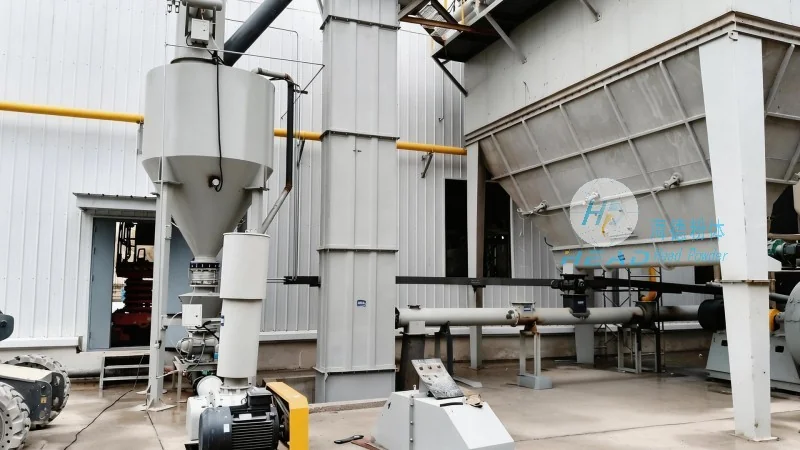
Efficiency and Performance in Rice Husk Processing
The efficiency of a rice husk conveying system directly impacts the overall performance of the rice processing plant. Pneumatic systems are known for their high capacity and ability to handle large volumes of rice husk with minimal energy consumption. The system's design allows for continuous operation, reducing the need for manual intervention and improving operational reliability. Furthermore, the enclosed pipeline system minimizes material loss and contamination, ensuring the quality of the rice husk is maintained throughout the transport process.
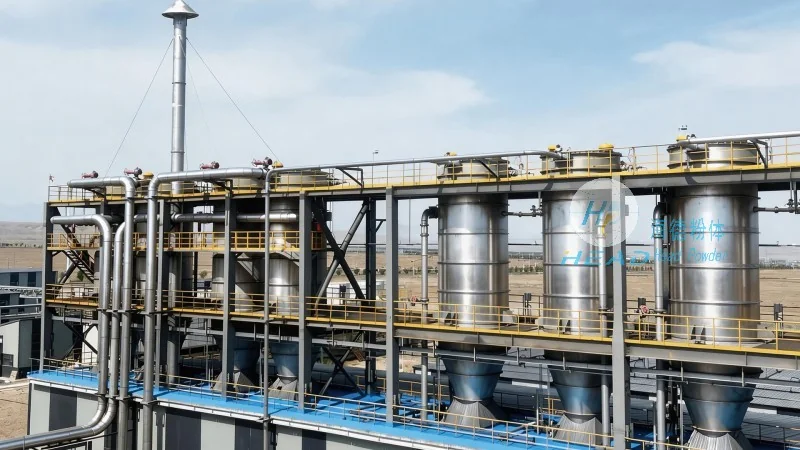
Customization and Scalability
One of the key benefits of the rice husk conveying system is its adaptability to different processing needs. The system can be customized in terms of pipe diameter, length, and the number of conveying lines to suit specific plant layouts and production capacities. This scalability allows facilities to expand their operations without the need for major system overhauls. Additionally, the system can be integrated with other processing equipment, such as grinding or drying units, to create a seamless material flow from raw rice to finished products.
Conclusion
In conclusion, the rice husk conveying system, especially the pneumatic variant, is a vital component in modern rice processing facilities. Its ability to efficiently transport rice husk while offering cost savings and operational benefits makes it an attractive solution for businesses in the industry. By understanding the components and advantages of this system, processing plants can optimize their operations and enhance overall productivity. For those seeking a reliable and efficient solution for rice husk transport, the pneumatic conveying system from Shandong HeadPowder Engineering Co., Ltd. provides a robust and effective option.