

Introduction to Expanded Clay Aggregate Conveying Systems: Advantages of Pneumatic Conveying
HeadPowder, a leading provider in the field of material handling solutions, specializes in advanced conveying systems designed for efficient transport of expanded clay aggregate. This article provides an overview of the expanded clay aggregate conveying system, highlighting the key advantages and features of pneumatic conveying technology. The company, based in Shandong, China, has extensive experience in developing and implementing customized material handling solutions for various industries.
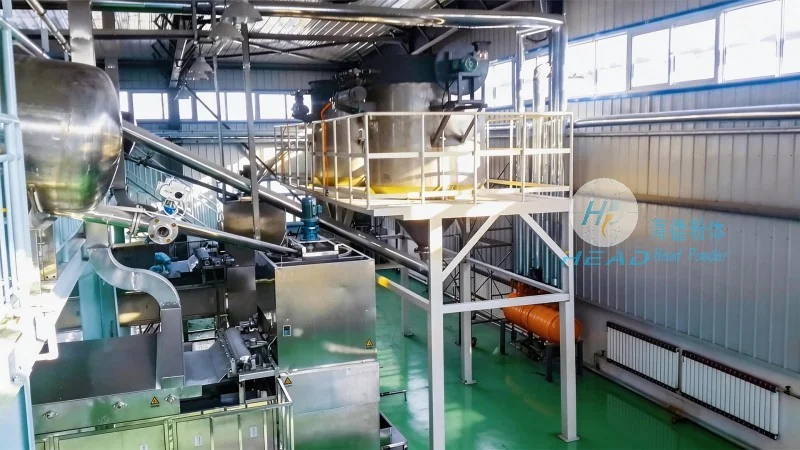
Understanding Expanded Clay Aggregate Conveying Systems
Expanded clay aggregate, commonly known as lightweight aggregate, is widely used in construction, horticulture, and industrial applications due to its lightweight, high thermal insulation, and excellent drainage properties. Conveying such materials efficiently from storage to processing or end-use locations is crucial for maintaining operational productivity and material integrity. Traditional methods like belt conveyors or bucket elevators may face challenges with the irregular shape and light weight of expanded clay aggregate, leading to increased maintenance and lower throughput. Pneumatic conveying systems offer a more effective solution by utilizing air pressure to transport materials in a closed pipeline system.
Pneumatic Conveying Technology for Expanded Clay Aggregate
Pneumatic conveying, also known as air conveying, is a method that uses compressed air to move bulk materials through a pipeline. In the context of expanded clay aggregate, this technology provides several advantages over conventional mechanical conveyors. The primary benefit is the ability to transport materials vertically and horizontally with minimal friction, reducing wear and tear on equipment. Additionally, pneumatic systems can handle a wide range of particle sizes and moisture contents, making them versatile for various applications. The closed pipeline design also helps in controlling dust emissions and maintaining material cleanliness, which is essential for both environmental compliance and product quality.
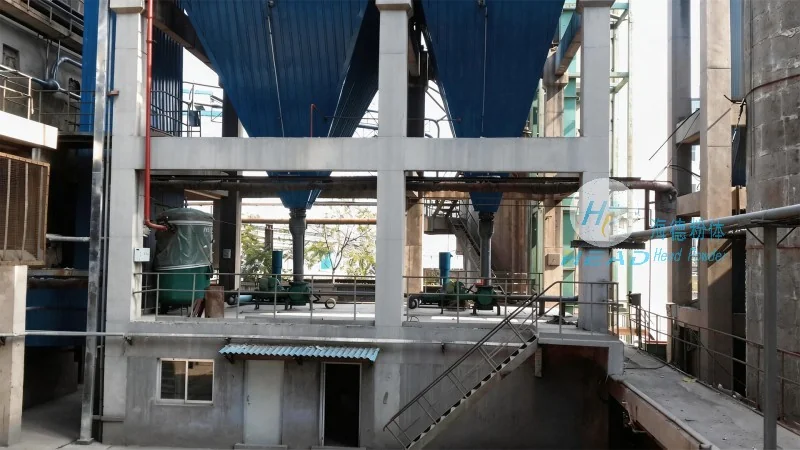
Key Advantages of Pneumatic Conveying for Expanded Clay Aggregate
One of the most significant advantages of pneumatic conveying systems is their high efficiency in material transport. By utilizing air pressure, these systems can achieve higher throughput rates compared to traditional conveyors, especially when dealing with lightweight materials like expanded clay aggregate. The reduced friction and lower mechanical stress on the material result in minimal degradation, preserving the aggregate's physical properties. Another key benefit is the flexibility of the system. Pneumatic conveyors can be easily reconfigured or expanded to accommodate changes in production volume or layout, providing long-term operational adaptability. Furthermore, the closed system design minimizes dust contamination, which is critical for maintaining the purity of expanded clay aggregate, a factor that directly impacts its performance in construction and horticultural applications.
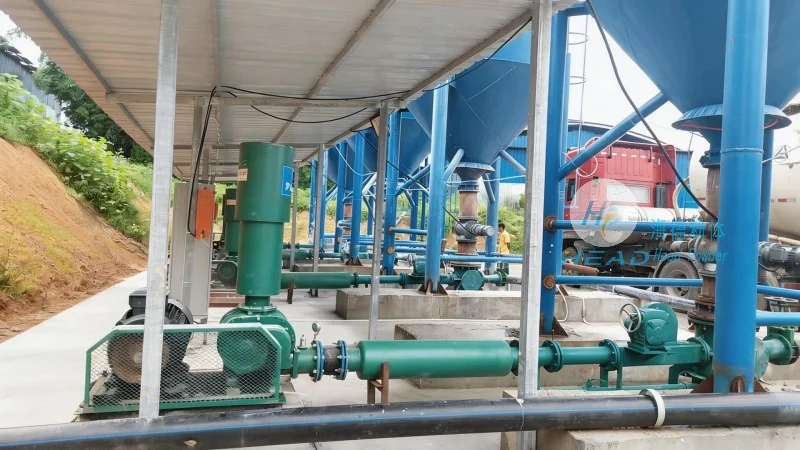
Features and Components of the Conveying System
The expanded clay aggregate conveying system typically consists of several key components that work together to ensure efficient material transport. The primary components include a material feeder, a conveying pipeline, a pressure vessel or receiver, and a control system. The material feeder, often a rotary valve or a screw feeder, ensures a consistent flow of expanded clay aggregate into the pipeline. The conveying pipeline, usually made of stainless steel or other corrosion-resistant materials, is designed to withstand the pressure and friction of the material and air mixture. The pressure vessel or receiver is used to collect the conveyed material and regulate the system pressure. The control system, which may include sensors and valves, monitors and adjusts the air pressure and material flow to maintain optimal performance. These components are engineered to work in harmony, ensuring reliable and continuous operation of the conveying system.
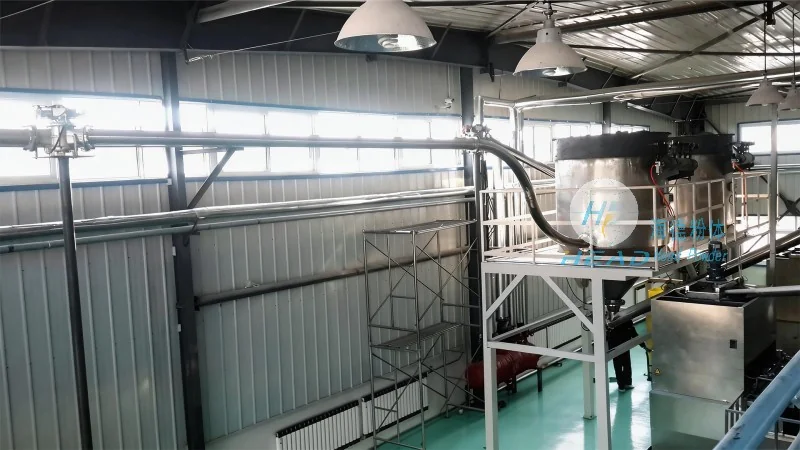
Operational Considerations and Maintenance
While pneumatic conveying systems offer numerous benefits, proper operation and maintenance are essential to maximize their efficiency and lifespan. Regular maintenance of the system components, such as cleaning the pipeline and replacing worn parts, is crucial to prevent blockages and ensure consistent performance. The control system should be calibrated regularly to maintain the correct air pressure and material flow rates. Additionally, monitoring the system for any signs of wear or degradation can help identify potential issues before they become major problems. Proper training of operators on the system's operation and maintenance procedures is also important to ensure safe and efficient use. By following these operational guidelines, the expanded clay aggregate conveying system can deliver consistent performance and contribute to overall operational efficiency.
Conclusion
In conclusion, the expanded clay aggregate conveying system, particularly utilizing pneumatic conveying technology, offers significant advantages for the efficient and reliable transport of lightweight aggregate materials. The system's ability to handle vertical and horizontal transport, minimize material degradation, and maintain product purity makes it an ideal solution for various applications. With proper design, operation, and maintenance, this technology can enhance operational productivity and contribute to the success of projects involving expanded clay aggregate. HeadPowder, with its expertise in material handling solutions, continues to provide advanced conveying systems that meet the evolving needs of the industry.