

Introduction to Compound Fertilizer Conveying Systems and the Advantages of Pneumatic Conveying for
Compound fertilizer, as a vital agricultural input, requires efficient and reliable transportation systems to ensure timely delivery to farms and processing facilities. The compound fertilizer conveying system is engineered to handle the bulk movement of these fertilizers, which often involve high volumes and varying compositions. In this article, we will explore the core components and operational principles of such systems, with a focus on the benefits of pneumatic conveying technology.
Pneumatic Conveying Technology for Compound Fertilizers
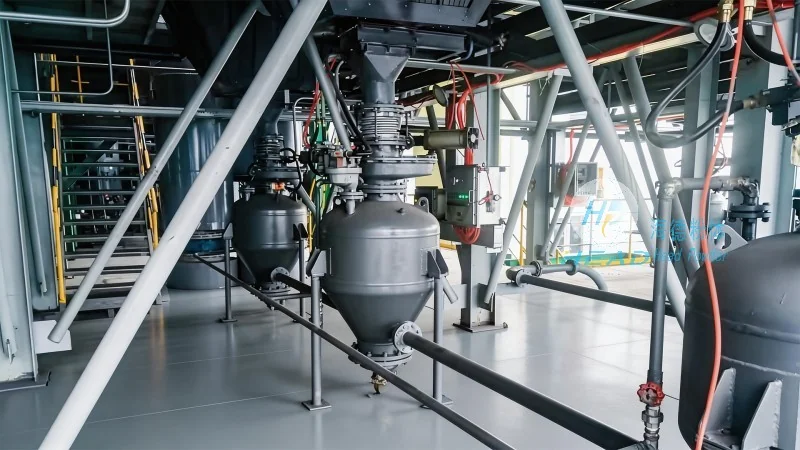
HeadPowder, a leading manufacturer in the field, specializes in the design and implementation of advanced compound fertilizer conveying solutions. Pneumatic conveying, also known as air conveying, utilizes compressed air to transport bulk materials like compound fertilizers through a network of pipes. This method offers several advantages over traditional mechanical conveying systems, including higher efficiency, reduced labor costs, and improved safety. The system typically consists of a hopper, a blower, a pipeline network, and a discharge point, all working in tandem to move the fertilizer from the storage area to the processing or distribution points.
Key Advantages of Pneumatic Conveying for Compound Fertilizers
One of the primary benefits of pneumatic conveying is its high conveying capacity, which allows for the transport of large quantities of compound fertilizer over long distances without the need for multiple transfer points. This efficiency is particularly valuable in agricultural settings where timely application of fertilizers is critical for crop yield. Additionally, pneumatic systems are highly flexible, as they can be easily reconfigured to accommodate changes in production schedules or facility layouts. The enclosed pipeline system also minimizes dust emissions and environmental contamination, aligning with modern agricultural and industrial standards.
Operational Efficiency and Cost-Effectiveness
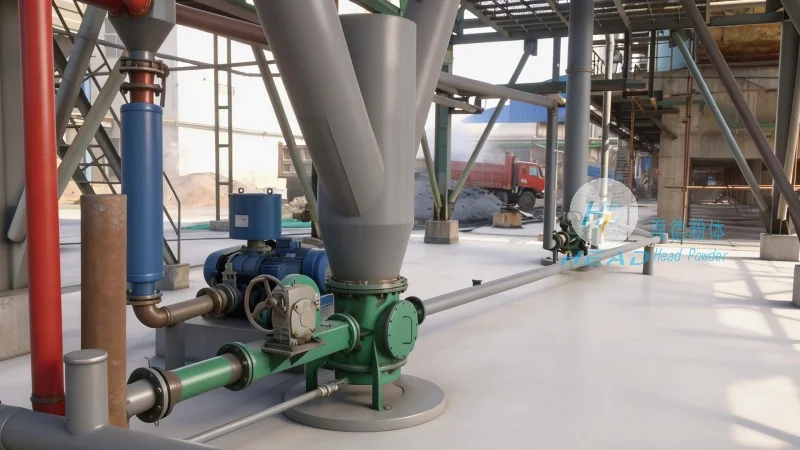
HeadPowder's compound fertilizer conveying systems are engineered to maximize operational efficiency while minimizing operational costs. The use of compressed air as the primary motive force reduces the need for heavy machinery and manual labor, leading to lower maintenance and energy expenses over the system's lifespan. Furthermore, the automated control systems integrated into these solutions enable precise monitoring and adjustment of conveying parameters, ensuring consistent performance and reducing the risk of material loss or blockages. This level of control is essential for maintaining the quality and integrity of compound fertilizers, which can be sensitive to handling conditions.
Customization and Scalability
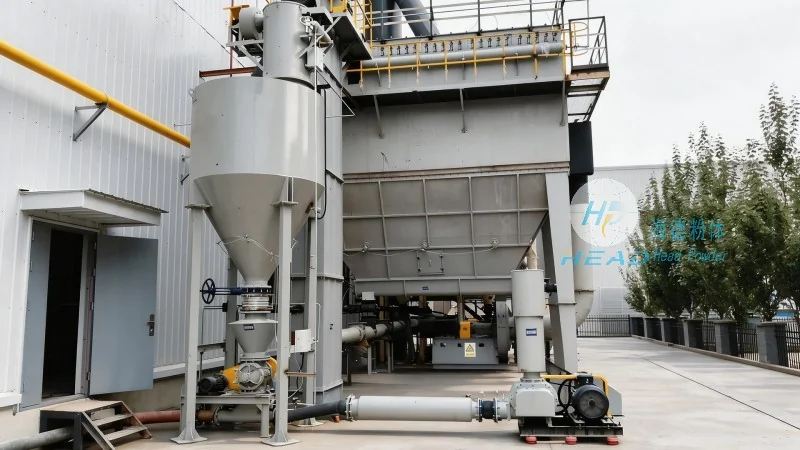
Understanding that each agricultural operation has unique requirements, HeadPowder offers customized compound fertilizer conveying solutions tailored to specific needs. Whether for small-scale farms or large industrial facilities, the systems can be scaled to handle varying volumes and material types. The modular design of the pneumatic conveying equipment allows for easy expansion or modification as the business grows, providing long-term value and adaptability. This flexibility ensures that clients can invest in a system that meets their current needs while being prepared for future increases in production or operational demands.
Reliability and Maintenance
Reliability is a top priority in the design of HeadPowder's compound fertilizer conveying systems. The use of high-quality materials and robust construction ensures that the equipment can withstand the rigors of continuous operation in agricultural environments. Regular maintenance is simplified through accessible components and clear operational guidelines, reducing downtime and extending the service life of the system. HeadPowder provides comprehensive support, including maintenance services and technical assistance, to ensure that clients can maintain optimal performance and minimize disruptions to their fertilizer handling processes.