

Principle and Classification Application of Molybdenum Concentrate Pneumatic Conveying
Molybdenum concentrate, a critical raw material in the metallurgical industry, requires efficient and reliable transport methods for processing and distribution. Pneumatic conveying, as a non-contact material transport technology, has become a preferred solution for handling molybdenum concentrate due to its advantages in safety, cleanliness, and flexibility. This article will delve into the working principles of molybdenum concentrate pneumatic conveying and explore its various application categories, providing a comprehensive overview for industry professionals.
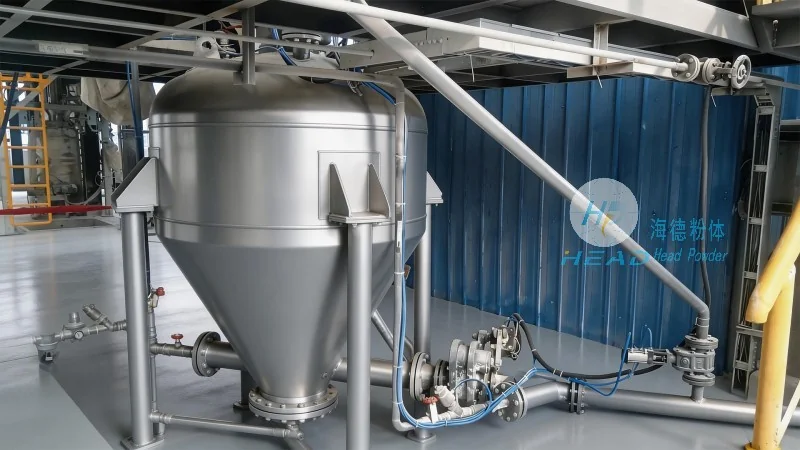
Working Principle of Molybdenum Concentrate Pneumatic Conveying
The core of molybdenum concentrate pneumatic conveying lies in the use of air as a medium to transport solid particles. The process typically involves a series of components, including a feeding system, a conveying pipeline, a pressure vessel or receiver, and a control system. The working principle can be summarized as follows: first, the molybdenum concentrate is fed into the conveying system through a hopper or feeder; then, compressed air is introduced into the pipeline, creating a flow that lifts and transports the concentrate particles. The air flow can be either positive pressure (air blowing into the pipeline) or negative pressure (air suction from the pipeline), depending on the specific system design. The velocity of the air and the particle size distribution are critical factors that determine the conveying efficiency and system performance. Proper air velocity ensures that the particles are fully suspended and transported without clogging or deposition. The system also includes a separation and collection stage where the concentrate is separated from the air stream, typically through cyclones or filters, and then collected in a storage or processing container.
Classification of Molybdenum Concentrate Pneumatic Conveying Systems
Molybdenum concentrate pneumatic conveying systems can be classified based on several key parameters, including the pressure level, the conveying method, and the application scenario. The main categories include:
1. Positive Pressure Conveying System This system uses compressed air to push the molybdenum concentrate through the pipeline. It is suitable for short to medium distance conveying and is commonly used in industrial plants where the material needs to be transported from a central storage to processing units. The positive pressure system typically operates at higher air pressures (e.g., 0.5-1.0 MPa) and can handle larger particle sizes and higher material loads. The main advantages include high conveying capacity, reliable operation, and the ability to handle abrasive materials without significant wear on the system components.
2. Negative Pressure Conveying System In this system, the air is drawn from the pipeline to create a suction effect that pulls the molybdenum concentrate into the conveying line. Negative pressure systems are often used for long-distance or high-rise conveying, as they can maintain a consistent negative pressure throughout the pipeline, reducing the risk of material leakage and contamination. They are particularly suitable for applications where the material needs to be transported from multiple sources to a central processing facility. The negative pressure system operates at lower air velocities compared to positive pressure systems, which helps in reducing energy consumption and minimizing particle degradation. However, it requires more robust filtration and air cleaning systems to maintain air quality and prevent dust accumulation.
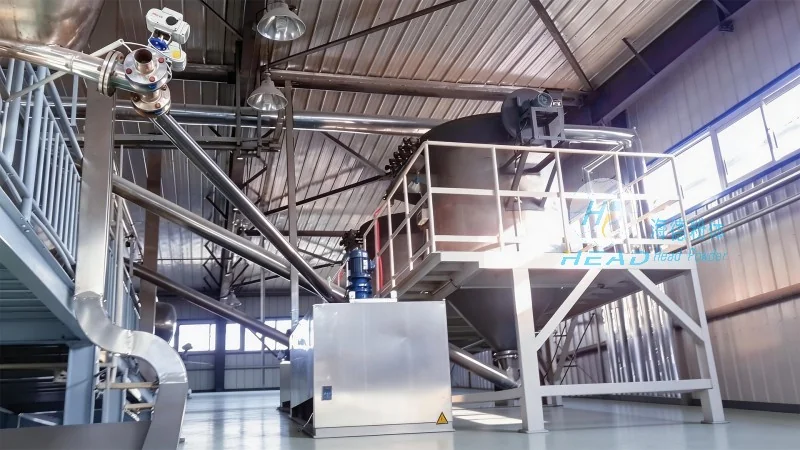
3. Hybrid Conveying System A hybrid system combines both positive and negative pressure principles to optimize the conveying process. For example, a system might use positive pressure for the initial transport from the source to a central point and then switch to negative pressure for the final delivery to the processing equipment. This approach allows for flexibility in handling different material characteristics and conveying distances. Hybrid systems are often used in complex industrial settings where multiple material sources and destinations are involved, providing a balanced solution between efficiency and cost.
Application Categories of Molybdenum Concentrate Pneumatic Conveying
The application of molybdenum concentrate pneumatic conveying varies across different stages of the metallurgical process. The main application categories include:
1. Raw Material Transport in Metallurgical Plants In the initial stages of molybdenum processing, the concentrate is transported from the mine or storage facility to the processing plant. Pneumatic conveying systems are ideal for this application as they can handle the bulk material efficiently and keep the material clean and free from contamination. The system can be integrated with the plant's material handling infrastructure, ensuring a seamless flow of raw materials to the crushing, grinding, and flotation units. The positive pressure system is commonly used here due to its high capacity and ability to handle the large volume of raw material.
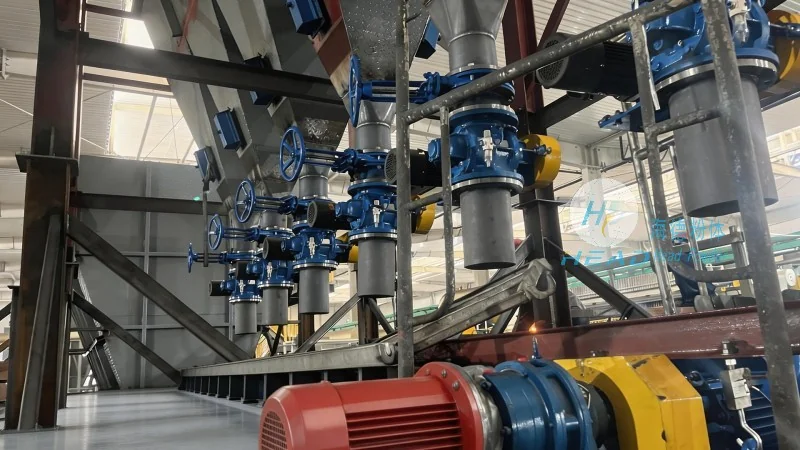
2. Intermediate Product Handling During the processing of molybdenum concentrate, intermediate products such as molybdenum oxide or molybdenum sulfide may need to be transported between different processing stages. Pneumatic conveying is suitable for this purpose as it can handle the various forms of the material without causing degradation or loss. The system can be designed to handle both dry and wet materials, depending on the specific processing requirements. The negative pressure system is often preferred for intermediate product handling as it can maintain a consistent flow and prevent material spillage.
3. Final Product Distribution After the molybdenum concentrate has been processed into final products like molybdenum metal or molybdenum compounds, the final product needs to be transported to storage or shipping facilities. Pneumatic conveying systems can be used for this application, especially when the final product is in a powder or granular form. The system ensures that the final product is transported in a clean and hygienic manner, meeting the quality standards required for industrial and commercial use. The positive pressure system is typically used for final product distribution due to its ability to handle the material at higher speeds and maintain product integrity.
Key Considerations for Molybdenum Concentrate Pneumatic Conveying
When implementing a molybdenum concentrate pneumatic conveying system, several key considerations must be taken into account to ensure optimal performance and longevity. These include:
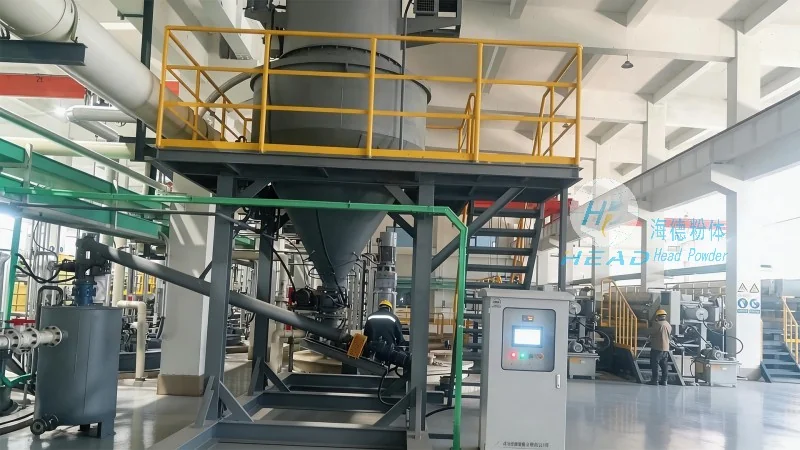
1. Material Properties The physical and chemical properties of the molybdenum concentrate, such as particle size distribution, moisture content, and abrasiveness, significantly impact the system design. For example, fine particles may require higher air velocities to maintain suspension, while abrasive particles may need more durable system components to prevent wear and tear. The system must be tailored to the specific characteristics of the material to avoid clogging, blockages, or equipment damage.
2. System Design and Sizing The design of the pneumatic conveying system, including the pipeline diameter, length, and layout, must be carefully calculated based on the material flow rate, air velocity, and pressure requirements. Proper sizing ensures that the system operates efficiently without excessive energy consumption or pressure drops. The system should also include appropriate expansion joints and supports to accommodate thermal changes and mechanical stresses.
3. Air Filtration and Cleaning The quality of the air used in the conveying system is crucial for maintaining system performance and preventing contamination. The system must include efficient filtration and cleaning components, such as cyclones, bag filters, or electrostatic precipitators, to remove dust and particles from the air stream. Regular maintenance of these components is essential to ensure that the air remains clean and the system operates without issues.
4. Energy Efficiency Pneumatic conveying systems can be energy-intensive, especially for long-distance or high-volume conveying. To improve energy efficiency, system designers can consider using variable frequency drives (VFDs) to control the air flow and pressure, or implementing energy recovery systems to recycle the air. These measures can help reduce operational costs and minimize the environmental impact of the system.