

Application and Optimization of Pneumatic Conveying Technology in Vinyl Ester Resin Transport Design
When it comes to transporting vinyl ester resin, the choice of conveying method significantly impacts operational efficiency, material integrity, and overall system reliability. Pneumatic conveying technology has emerged as a preferred solution for many industries due to its ability to handle viscous and sensitive materials like vinyl ester resin with precision and care. This article explores the application and optimization of pneumatic conveying systems specifically designed for vinyl ester resin transport, highlighting key considerations and benefits that make this technology a superior choice in modern manufacturing processes.
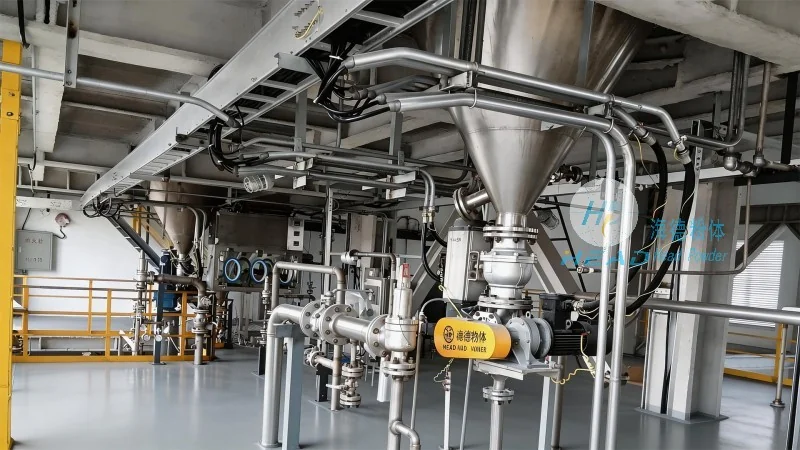
About Shandong HeadPowder Engineering Co., Ltd.
HeadPowder, a leading engineering company based in Shandong, China, specializes in the design, development, and implementation of advanced material handling solutions. With a strong commitment to innovation and customer satisfaction, HeadPowder has established itself as a trusted partner for industries requiring reliable and efficient resin transport systems. The company's expertise in pneumatic conveying technology, combined with its deep understanding of vinyl ester resin properties, enables it to deliver customized solutions that meet the unique demands of each client.
Key Design Considerations for Pneumatic Conveying Systems
The successful application of pneumatic conveying in vinyl ester resin transport relies on careful consideration of several critical factors. First, the system must be designed to handle the specific viscosity and flow characteristics of vinyl ester resin, which can vary depending on temperature and formulation. HeadPowder engineers employ advanced computational fluid dynamics (CFD) and material testing to ensure that the conveying velocity, pressure, and pipe diameter are optimized for each application. Additionally, the selection of appropriate materials for the conveying components—such as corrosion-resistant stainless steel or specialized coatings—is essential to prevent resin degradation and equipment wear. The system's layout, including the number and placement of feeders, cyclones, and receivers, is also tailored to minimize material residence time and maintain product quality.
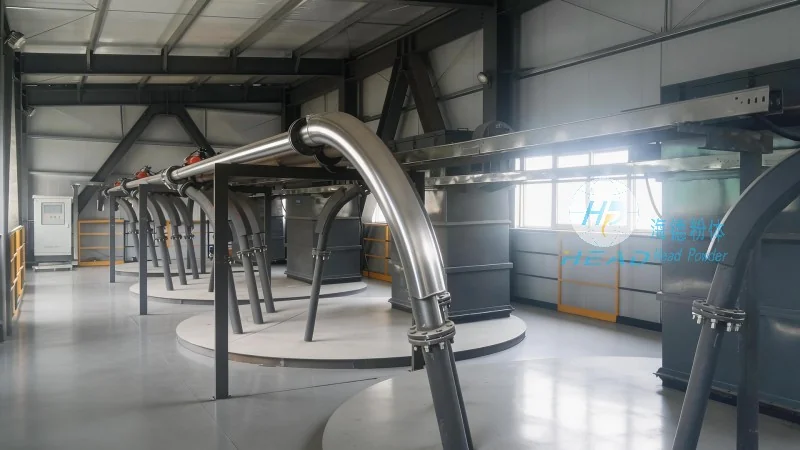
Optimization Strategies for Enhanced Performance
Optimizing a pneumatic conveying system for vinyl ester resin involves a multi-faceted approach that balances efficiency, cost, and reliability. One key strategy is the implementation of variable speed drives for the air blowers, which allows for real-time adjustment of air flow based on the resin's viscosity and system load. This dynamic control helps to reduce energy consumption while maintaining consistent conveying rates. Another critical aspect is the integration of monitoring and control systems, such as pressure sensors and flow meters, that provide real-time data on system performance. HeadPowder's expertise in system integration ensures that these components work seamlessly together, enabling operators to identify and address issues promptly, thereby minimizing downtime and maximizing productivity. Furthermore, regular maintenance and preventive care, including cleaning of conveying lines and replacement of wear parts, are integral to maintaining optimal performance over the long term.
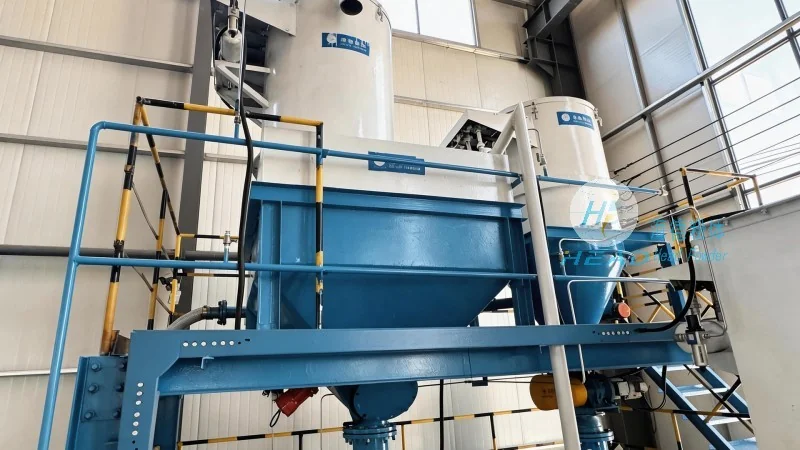
Benefits of Pneumatic Conveying for Vinyl Ester Resin
Adopting pneumatic conveying technology for vinyl ester resin transport offers numerous advantages that contribute to improved operational outcomes. Unlike traditional mechanical conveying methods, which can cause shear and degradation of the resin, pneumatic systems use air to gently move the material, preserving its molecular structure and properties. This is particularly important for applications where the resin's performance characteristics, such as cure time and mechanical strength, are critical. Additionally, pneumatic conveying systems are highly flexible, allowing for easy integration with existing production lines and the ability to transport resin to multiple destinations without the need for complex reconfiguration. The reduced need for physical contact also minimizes the risk of contamination, ensuring that the resin remains free from impurities that could affect product quality. From a safety perspective, pneumatic systems eliminate the need for manual handling of heavy or hazardous resin containers, reducing workplace accidents and improving overall safety standards.
Conclusion and Company Commitment
As industries continue to demand higher performance and reliability in resin transport systems, the application and optimization of pneumatic conveying technology for vinyl ester resin remain a top priority. Shandong HeadPowder Engineering Co., Ltd. stands at the forefront of this field, leveraging its expertise and innovative solutions to help clients achieve their operational goals. By focusing on tailored design, advanced monitoring, and ongoing optimization, HeadPowder ensures that its pneumatic conveying systems not only meet but exceed the expectations of modern manufacturing. For businesses seeking to enhance their vinyl ester resin transport processes, HeadPowder offers a comprehensive approach that combines technical excellence with customer-centric service, positioning it as the ideal partner for success in the industry.