

What Are the Methods for Fine Sand and Gravel Conveying?
Conveying fine sand and gravel is a critical process in various industrial applications, requiring efficient and reliable systems to transport these materials from one location to another. The choice of conveying method depends on factors such as material characteristics, distance, and operational requirements. This article explores the primary methods used for fine sand and gravel conveyance, highlighting the technologies and considerations involved in each approach, with insights from Shandong HeadPowder Engineering Co., Ltd., a leading provider of material handling solutions based in Shandong, China.
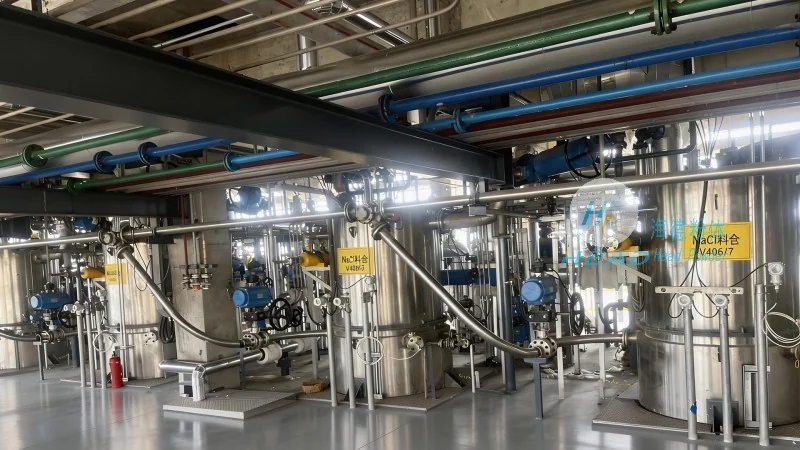
1. Belt Conveyor Systems for Fine Sand and Gravel Transport
Belt conveyors are among the most common and versatile methods for transporting fine sand and gravel. These systems utilize a continuous belt, typically made of rubber or synthetic materials, to move materials along a fixed path. The belt is supported by rollers and idlers, ensuring smooth and consistent movement of the material. For fine sand and gravel, the belt material is often selected for its durability and resistance to abrasion, as these materials can be harsh on equipment. Belt conveyors are suitable for both short and long distances, making them ideal for applications in mining, construction, and aggregate processing. The design of the belt conveyor, including the angle of inclination and the speed of the belt, can be adjusted to optimize the conveying efficiency for different material types and loads.
2. Screw Conveyors: A Compact Solution for Fine Material Handling
Screw conveyors, also known as auger conveyors, are another effective method for transporting fine sand and gravel. These systems consist of a rotating screw (auger) enclosed in a trough or tube, which pushes the material forward as it rotates. Screw conveyors are particularly advantageous for fine materials because they can handle materials with a high moisture content and prevent segregation, which is common in other conveying methods. The compact design of screw conveyors makes them suitable for confined spaces, such as in processing plants or storage facilities. The speed and pitch of the screw can be adjusted to control the flow rate and ensure uniform material movement. However, screw conveyors may not be as efficient for very long distances or high-volume applications compared to belt conveyors.
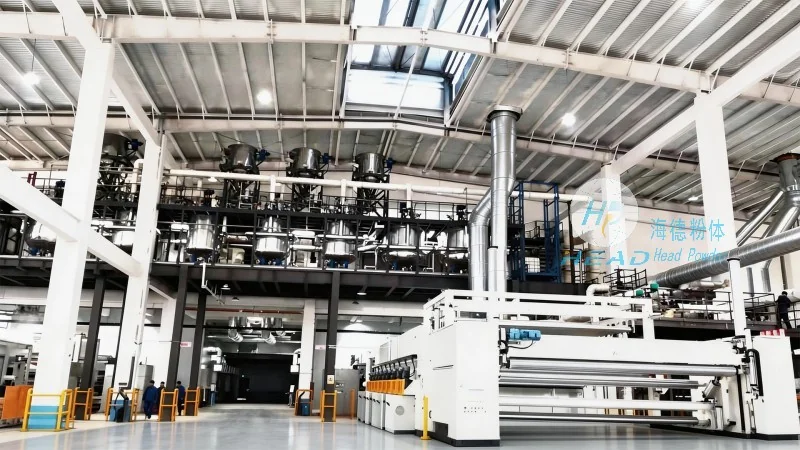
3. Pneumatic Conveying: Air-Driven Transport for Fine Grains
Pneumatic conveying systems use air or other gases to transport fine sand and gravel through a pipeline. This method is particularly useful for applications where dust control is a priority, as the material is enclosed within the pipeline, minimizing exposure to the environment. Pneumatic conveyors can be categorized into two main types: pressure and vacuum systems. Pressure systems force air and material through the pipeline, while vacuum systems draw material into the pipeline using a vacuum pump. The choice between pressure and vacuum depends on the distance and the nature of the material being conveyed. Pneumatic conveying is effective for fine materials that are prone to dusting or require a dust-free environment, such as in food processing or pharmaceutical applications. However, it may require higher energy input compared to other methods and can be less efficient for very long distances.
4. Hydraulic Conveying: Water-Based Transport for Fine Sediments
Hydraulic conveying, also known as slurry transport, involves transporting fine sand and gravel suspended in water. This method is commonly used in mining operations to move large volumes of material over long distances. The slurry is pumped through pipelines using high-pressure pumps, and the water helps to keep the material suspended and prevent clogging. Hydraulic conveying is particularly effective for fine materials with high moisture content or those that are difficult to handle dry. The system typically includes a slurry preparation area, where the material is mixed with water to form a slurry, and a pumping station to transport the slurry to the destination. The design of the pipeline and pump system is critical to ensure efficient and reliable transport, as clogging or sedimentation can significantly reduce the system's performance.
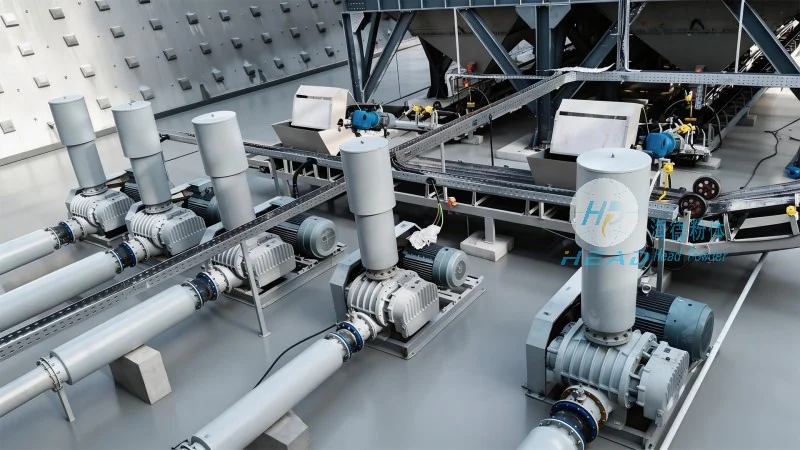
5. Vibrating Conveyors: Efficient Transport with Minimal Maintenance
Vibrating conveyors use vibrations to move fine sand and gravel along a trough. The conveyor consists of a trough that is supported by vibration motors or eccentrics, which cause the trough to vibrate at a specific frequency. The vibration helps to keep the material in motion and prevents material buildup or clogging. Vibrating conveyors are particularly suitable for fine materials that are prone to sticking or for applications where low maintenance is required. They are commonly used in food processing, chemical industries, and other sectors where hygiene and cleanliness are important. The frequency and amplitude of the vibration can be adjusted to optimize the conveying efficiency for different material types and loads. Vibrating conveyors are generally more energy-efficient than other methods and can handle a wide range of material sizes and shapes.
6. Considerations for Choosing the Right Conveying Method
When selecting a conveying method for fine sand and gravel, several factors must be considered to ensure optimal performance and efficiency. The first consideration is the material characteristics, including particle size, moisture content, and abrasiveness. Fine sand and gravel can vary significantly in these properties, and the conveying method must be selected to handle these variations effectively. The second factor is the distance and layout of the conveying system, as different methods are better suited for short or long distances. The third consideration is the operational requirements, such as the required flow rate, speed, and environmental conditions. Additionally, the cost of the equipment, maintenance, and energy consumption must be evaluated to ensure the chosen method is economically viable. By carefully evaluating these factors, industries can select the most appropriate conveying method for their specific needs, ensuring efficient and reliable transport of fine sand and gravel.