

Technical Parameters and Conveying System Process for Glass Waste
When it comes to managing glass waste efficiently, understanding the technical parameters and the design of the conveying system is crucial. Glass waste, often generated from industrial processes or post-consumer recycling, requires specialized handling to ensure optimal processing and resource recovery. This article delves into the key technical parameters that define effective glass waste management and the advanced conveying systems engineered to transport this material safely and efficiently.
Key Technical Parameters for Glass Waste Handling
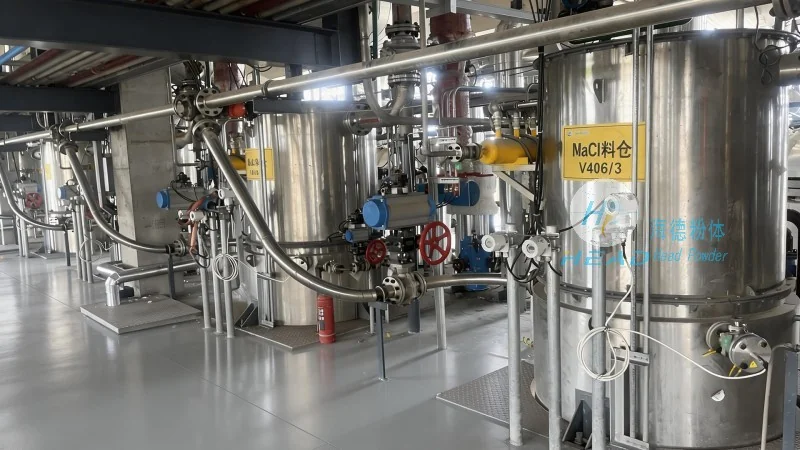
Effective glass waste processing begins with precise technical parameters that guide the entire workflow. These parameters are critical for ensuring the quality of the final product and the efficiency of the recycling process. The primary technical parameters include material composition, particle size distribution, moisture content, and temperature characteristics. For instance, the composition of the glass waste—whether it consists of soda-lime glass, borosilicate glass, or other types—directly impacts the melting temperature and the energy requirements for processing. Particle size distribution is another critical factor; uniform particle sizes facilitate better melting and reduce the risk of blockages in the conveying system. Moisture content must be controlled to prevent corrosion in equipment and to maintain consistent material flow. Temperature characteristics, such as the initial temperature of the glass waste, also play a role in determining the pre-treatment steps needed before it enters the melting furnace.
Advanced Conveying Systems for Glass Waste Transport
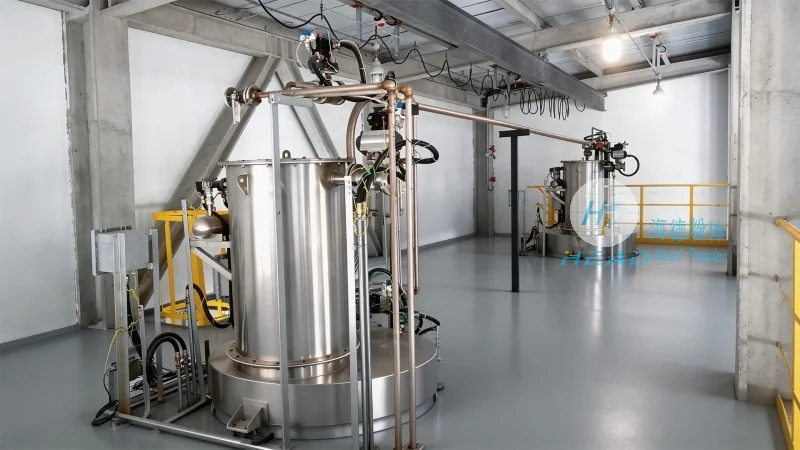
The conveying system is a vital component of the glass waste processing plant, responsible for transporting raw glass waste from collection points to the processing units. Modern conveying systems are designed with durability, efficiency, and safety in mind, addressing the unique challenges posed by glass waste. These systems typically employ a combination of technologies, including belt conveyors, screw conveyors, and pneumatic conveying systems, each tailored to specific operational needs. Belt conveyors are commonly used for horizontal and slight incline transport due to their high load capacity and ability to handle abrasive materials like glass. Screw conveyors are ideal for vertical or inclined transport, providing a compact solution for moving glass waste through different levels of the facility. Pneumatic conveying systems, on the other hand, use air pressure to transport glass particles, which is particularly effective for fine glass powders or when dust control is a priority.
Engineering Solutions by Shandong HeadPowder Engineering Co., Ltd.
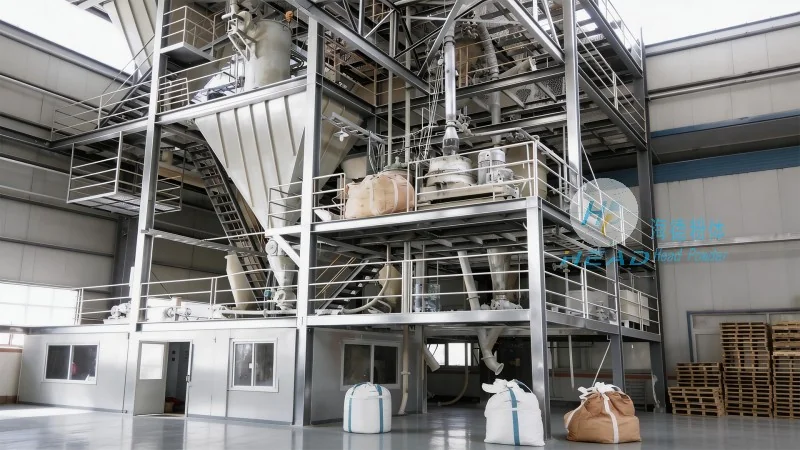
Shandong HeadPowder Engineering Co., Ltd., a leading provider of industrial engineering solutions, specializes in designing and implementing customized glass waste handling systems. With a focus on innovation and adherence to industry standards, the company has developed advanced technologies to address the complex requirements of glass waste processing. The company’s expertise lies in integrating the key technical parameters with the most suitable conveying system, ensuring that each project is tailored to the specific needs of the client. For example, HeadPowder engineers conduct thorough material analysis to determine the optimal conveying method, taking into account factors such as the type of glass, the scale of the operation, and the environmental regulations in the region. This approach results in systems that are not only efficient but also cost-effective and environmentally friendly.
Addressing Challenges in Glass Waste Conveying
Conveying glass waste comes with its own set of challenges, including material abrasiveness, potential for dust generation, and the need for high durability. Traditional systems may struggle with these issues, leading to increased maintenance costs and reduced operational efficiency. Shandong HeadPowder Engineering Co., Ltd. addresses these challenges through the use of specialized materials and design innovations. For instance, conveyor belts are often made from high-strength, wear-resistant materials to withstand the abrasive nature of glass particles. Additionally, dust control systems are integrated into the conveying process to minimize environmental impact and ensure compliance with regulations. The company also employs advanced monitoring technologies to track the performance of the conveying system in real-time, allowing for proactive maintenance and adjustments to maintain optimal operation.
Conclusion: The Role of Technical Parameters and Conveying Systems in Glass Waste Management
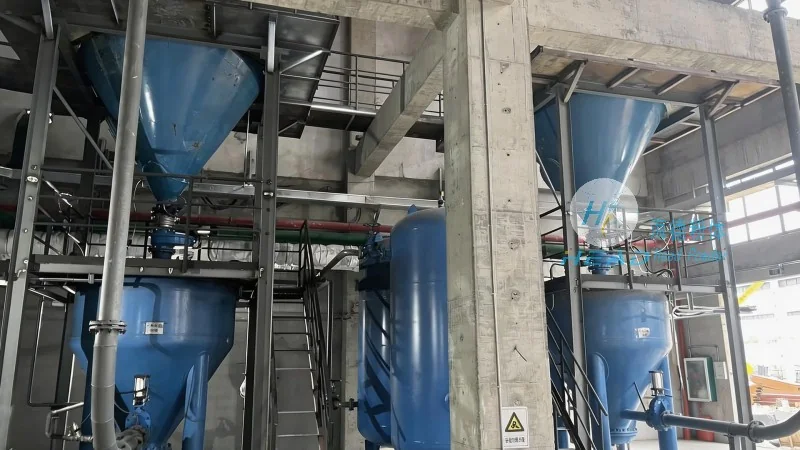
In conclusion, the effective management of glass waste relies heavily on understanding and applying the correct technical parameters and implementing advanced conveying systems. The combination of these elements ensures that glass waste is processed efficiently, with minimal environmental impact and maximum resource recovery. Shandong HeadPowder Engineering Co., Ltd. plays a pivotal role in this process by providing expert engineering solutions that meet the unique demands of each project. By focusing on technical precision and innovative design, the company helps clients achieve sustainable glass waste management, contributing to a more circular economy and reduced environmental footprint.